
Exploring the Top Window Styles for Maximizing Natural Illumination in Kitchens
A well-lit kitchen improves visibility, making tasks such as food preparation, cooking, and cleaning easier and safer. Natural sunlight creates a cheerful and uplifting atmosphere in the kitchen, making cooking and meal preparation more enjoyable.
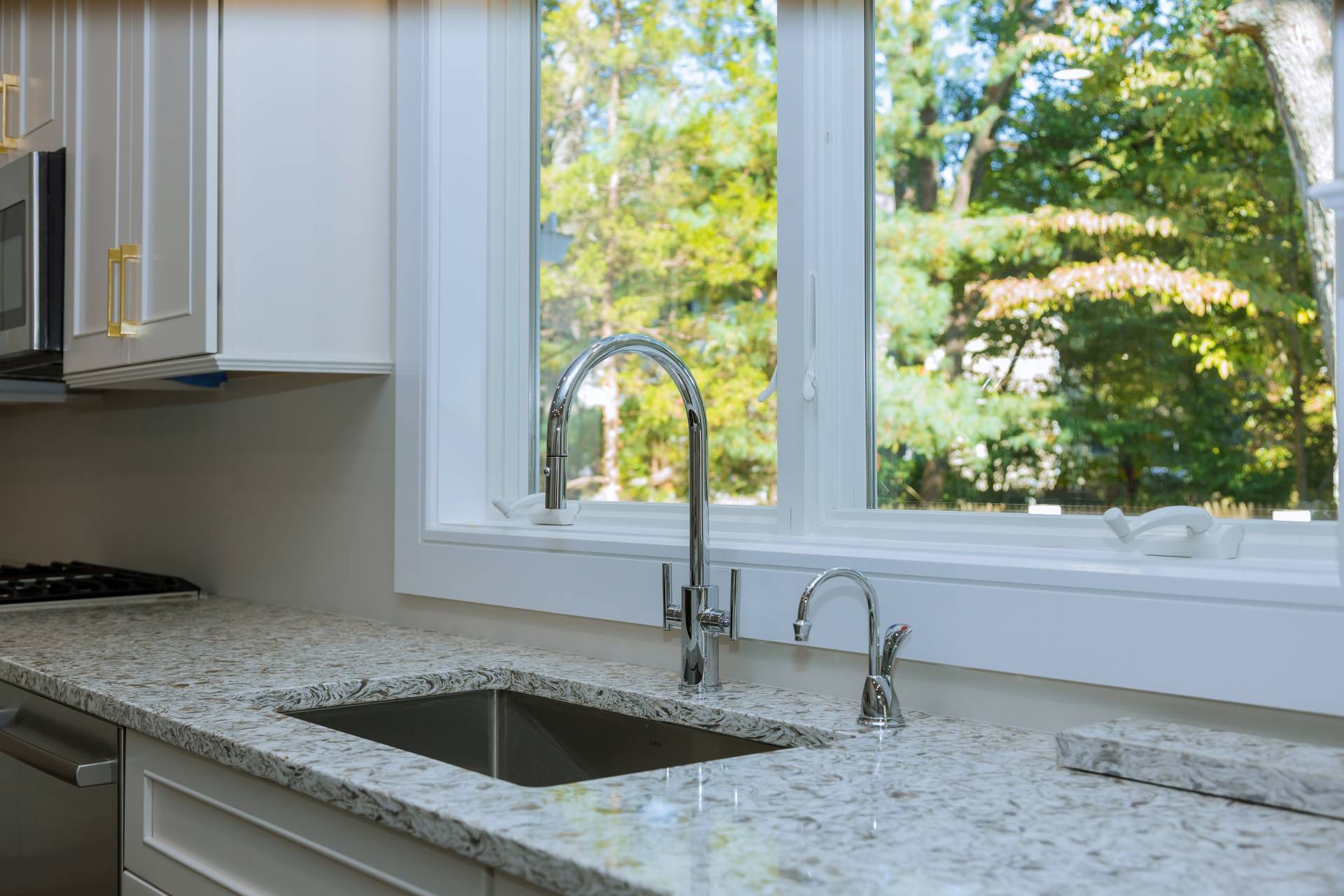
Properly positioned windows and doors can ensure that light reaches key areas of the kitchen, such as the sink, countertops, and cooking surfaces. Placing a kitchen window over a sink is often considered best when maximizing natural light, providing task light, enjoying views and ventilation, and enhancing the aesthetics of the kitchen. This design choice combines functionality, practicality, and visual appeal to create a bright, beautiful, and functional kitchen space.
Here are the top window styles that can help you maximize natural lighting in the kitchen:
Casement Windows
Casement windows typically feature large glass panes that extend from the top to the bottom of the window frame. This expansive glass area allows ample light to enter the kitchen, brightening up the space throughout the day. Casement windows are hinged on one side and open outward with a crank mechanism. This design allows for versatile opening options, including fully opening the window to let in maximum sunlight or partially opening to control ventilation while still allowing natural light to enter. While primarily designed for ventilation, casement windows can also serve as effective sources of natural light. When closed, casement windows provide unobstructed views of the outdoors, allowing natural light to flood into the kitchen without any barriers. This clear view enhances the feeling of openness and connection to the outdoors, maximizing the perception of natural light in the space. Their large glass area and ability to fully open provide an optimal balance of ventilation and illumination in the kitchen.
Bay and Bow Windows
Bay and bow windows are excellent choices for maximizing natural light in the kitchen. Bay windows feature a larger central window flanked by two smaller side windows, with sharper angles and a more angular appearance. On the other hand, bow windows consist of multiple window panels arranged in a gentle curve along the exterior wall, creating a round or elliptical shape with a smoother, more uniform curve. Both bay and bow windows create an expansive glass area that allows plenty of natural light to enter the kitchen. The angled design of bay and bow windows allows natural light to enter the kitchen from multiple angles. This helps distribute sunlight evenly across the room, minimizing shadows and creating a well-lit environment. This configuration maximizes daylight exposure and brightens up the space throughout the day. Bay and bow windows provide panoramic views of the outdoors, allowing homeowners to enjoy the scenery while cooking or dining in the kitchen. The expansive views enhance the feeling of openness and connection to the outdoors, contributing to a bright and inviting atmosphere. In addition, bay and bow windows serve as architectural focal points that add character and visual interest to the kitchen. Their distinctive shapes and designs create a sense of elegance and sophistication, enhancing the overall appeal of the space.
Awning Windows
Awning windows are hinged at the top and open outward from the bottom, forming an awning-like shape when opened. While primarily designed for ventilation, awning windows also allow plenty of natural light to enter the kitchen even when closed. Their large glass area and upward-opening design provide an optimal balance of ventilation and illumination. With a crank mechanism or handle located at the bottom of the window frame, awning windows are easy to operate. This allows for smooth and effortless opening and closing, making it convenient to adjust ventilation and natural light levels in the kitchen. The outward-opening design of awning windows allows for ventilation without compromising privacy, as the window opens from the bottom and remains partially covered by the frame. Awning windows also provide protection from the rain when opened, allowing fresh air to circulate even during inclement weather. Additionally, awning windows have a sleek and modern appearance that complements contemporary kitchen designs. Their clean lines and minimalist aesthetic add a touch of sophistication to the space while maximizing natural light.
Picture Windows
Picture windows are typically large, fixed windows that consist of a single pane of glass. The absence of grids, muntins, or sashes maximizes daylight exposure and enhances the sense of openness and connection to the outdoors. Since picture windows do not open, they can be designed to cover a wide expanse of the exterior wall, capturing sunlight from multiple angles. This expansive glass area creates a panoramic effect that maximizes natural light distribution and brightens up the entire kitchen space. Picture windows come in various shapes and sizes, allowing homeowners to customize the design to suit their preferences and architectural style. Whether it is a large horizontal window above the sink or a floor-to-ceiling window overlooking the backyard, picture windows can be tailored to maximize natural light and enhance the overall aesthetics of the kitchen.
Overall, casement, bay, bow, awning, and picture windows are excellent choices for maximizing natural light in the kitchen. These window styles offer different features and benefits due to their large glass area, versatile opening options, expansive views, and architectural significance. Incorporating these window styles into the kitchen design can create a bright, airy, and inviting space illuminated by abundant natural light. Depending on the specific layout, design preferences, and architectural constraints of the kitchen space, homeowners can choose the window style that best suits their needs and enhances the overall brightness and ambiance of the room.

Understanding Energy Star Ratings for Windows: What You Need to Know
Energy efficient windows and doors can provide numerous benefits. They can help reduce energy bills, improve comfort, and increase environmental sustainability at home. Homeowners can easily identify energy efficient products by checking for the Energy Star label. These apply even to windows.
Here's what you need to know when selecting Energy Star-rated windows for your home:
Energy Efficiency Benefits
Energy Star-rated windows are designed to be more energy efficient than standard windows. These windows often feature advanced insulation technologies, such as multiple panes, low-emissivity (Low-E) coatings, and gas fills. The improved insulation provided by Energy Star-rated windows contribute to consistent indoor temperatures throughout the year. Homes with these windows often experience enhanced comfort in both hot and cold seasons. Using energy efficient windows helps reduce overall energy consumption, contributing to environmental sustainability. Homeowners can play a role in minimizing their carbon footprint by choosing Energy Star-rated products.
U-Factor and Solar Heat Gain Coefficient (SHGC) Values
Homeowners should be familiar with U-Factor and Solar Heat Gain Coefficient (SHGC) values when considering Energy Star-rated windows.
The U-Factor measures how well a window insulates and indicates the rate of heat transfer through the window. A lower U-Factor signifies better insulation. In colder climates, windows with a low U-Factor can help minimize heat loss and enhance energy efficiency. Windows with a higher U-Factor may allow more heat to escape, leading to increased heating costs.
SHGC measures the amount of solar heat that enters a home through the windows. A lower SHGC value indicates better control of solar heat gain. In warmer climates, or for windows receiving a lot of direct sunlight, homeowners may want windows with a lower SHGC to reduce the amount of solar heat entering the home. This helps in maintaining a comfortable indoor temperature and can lead to lower heating costs.
By looking for the Energy Star label, homeowners can easily identify Energy Star-rated windows. This label indicates that the windows meet or exceed the program’s energy efficient guidelines, including U-Factor and SHGC requirements.
Climate Zone Considerations
Energy Star criteria for windows vary based on different climate zones. Energy Star classifies climate zones into four categories: Northern, North-Central, South-Central, and Southern. These zones are based on regional climate conditions, such as temperature ranges and heating and cooling needs. Energy Star sets specific U-Factor and SHGC criteria for windows in each climate zone. The criteria are tailored to address the unique energy efficiency needs of homes in different climates. In colder climates (Northern and North-Central zones), where heating needs are higher, lower U-Factor values are recommended to minimize heat loss while SHGC requirements may be more flexible. In warmer climates (South-Central and Southern zones), U-Factor requirements may be less stringent while lower SHGC values are recommended to control solar heat gain and reduce the demand for air conditioning. Homeowners should consider the balance between U-Factor and SHGC based on their specific climate zones.
Long-Term Savings and Return on Investment
While Energy Star-rated windows may have a higher upfront cost compared to standard windows, homeowners should also consider the long-term savings in energy bills. Energy Star-rated windows contribute to lower heating and cooling costs. The enhanced energy efficiency helps reduce the demand for heating in winter and cooling in summer, leading to ongoing savings on utility bills.
As homeowners benefit from energy cost savings, they can realize a return on their investment over time. The duration from recouping the initial investment depends on factors such as energy prices, climate, and the specific characteristics of the windows. Furthermore, some regions offer incentives, rebates, or tax credits for energy efficient home improvements, including the installation of Energy Star-rated windows. Checking with local utility companies or government programs can help in exploring potential financial benefits.
Energy Star-rated windows are typically designed for durability and longevity. Proper maintenance of Energy Star-rated windows ensures their continued energy efficiency. Regular cleaning, inspection, and repairs, if needed, contribute to the windows’ longevity and overall performance. Choosing high-quality windows can result in a longer lifespan, providing extended opportunities for energy savings over the years.
Energy efficient upgrades can enhance the resale value of a home. Potential homeowners who recognize eco-friendly practices can appreciate the positive environmental impact of using Energy Star-rated products. Potential buyers may also be attracted to the prospect of lower energy bills and a more comfortable living environment, making the property more marketable.
If you are looking for energy efficient windows and doors, look for the Energy Star label on the products. The label indicates that the windows or doors have undergone testing and meet or exceed the energy efficiency standards set by the Energy Star program. When selecting windows and doors for your home, it is advisable to consult with a professional who can provide guidance on selecting windows that suit your home’s local climate and your energy efficiency goals.
Sealing the Way to Energy Efficiency: How to Identify and Fix Home Drafts
Sealing plays a crucial role in improving energy efficiency at home by reducing air infiltration and preventing drafts. When your home is well-sealed, your heating and cooling systems do not have to work as hard to compensate for the loss of conditioned air. However, air leaks and drafts can occur when there are gaps, cracks, or openings in a structure’s envelope that allow outdoor air to enter or conditioned indoor air to escape. You might feel drafts as cool air entering a room during the winter or warm air escaping during the summer. Air leaks and drafts can have several negative consequences, including reduced energy efficiency, increased energy costs, and decreased comfort within the living space.
Air leaks and drafts can occur in various areas throughout your home. Common sources include windows and doors, walls, attic access points, basements, electrical outlets, and ventilation openings. Fixing drafts at home involves identifying the sources of air leaks and implementing measures to seal or insulate those areas. Here are some ways to identify and fix drafts in your home:
Identifying Drafts
Regularly checking for drafts, especially during extreme weather conditions, can help you identify and address sealing issues promptly.
1. Visual Inspection
To identify drafts at home, you can start by conducting a visual inspection. Look for visible gaps around windows, doors, and baseboards. Check for cracks in the walls, ceilings, and floors. Inspect areas where different building materials meet, such as corners and joints.
2. Candle or Incense Test
Another way to identify drafts is through a candle or incense test. On a windy day, place a lit candle or incense stick around windows, doors, and other potential draft sources. Watch for the flame or smoke movement, which can indicate air movement caused by drafts.
3. Feel for Drafts
On a cold day, you can use your hand to feel for drafts around windows, doors, and electrical outlets. Move your hand along the edges of doors and windows to detect any cold air coming in, which may indicate a draft.
4. Check the Attic or Basement
Inspect the attic and basement for any gaps, especially around plumbing and electrical penetrations. Also check for gaps in the attic floor or basement ceiling.
Fixing Drafts
Once you have identified the sources of the drafts, you can incorporate a few solutions to improve sealing in your home.
1. Weather Stripping
Weather stripping is specifically designed to seal gaps around movable parts like doors and windows. It creates a flexible barrier that prevents air infiltration, keeps out moisture, and helps maintain a comfortable indoor environment. If there are drafts in your home from windows and doors, you can install weather stripping to create a tight seal whenever your windows and doors are closed. Weather stripping is commonly applied around the edges of windows and doors or along the meeting rail of double-hung windows. Choose the appropriate type of weather stripping based on the specific area.
2. Door Sweeps
Door sweeps are devices used to seal the gap between the bottom of the door and the threshold. They are designed to prevent drafts, dust, insects, and moisture from entering the building through the gap under a door. Door sweeps are typically made from materials that provide a flexible and durable barrier, such as rubber or vinyl. You can install door sweeps at the bottom of exterior doors to seal gaps. Door sweeps can help you ensure a tight seal without affecting the door’s ability to open and close, contributing to energy efficiency within your home.
3. Caulking
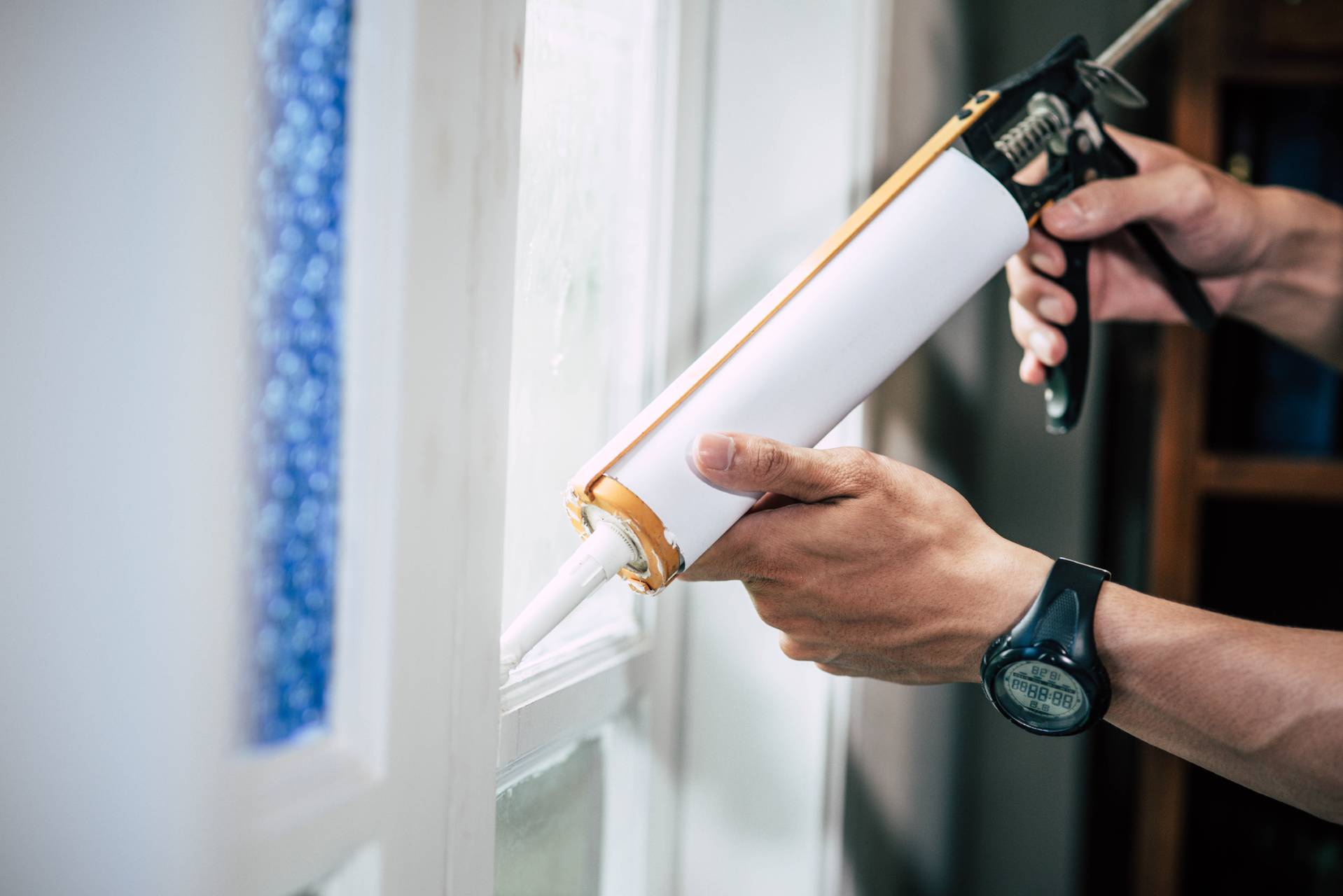
Caulking is a versatile material used to seal gaps and cracks in various surfaces, providing a durable and waterproof seal. It is used to prevent air and water infiltration and to enhance energy efficiency. Caulk comes in various formulations. To fix drafts, choose a calk that is appropriate for the material and the location. Caulk is applied to stationary parts of doors and windows, as well as gaps and joints in walls, siding, and other surfaces. It can be used to address gaps between window frames and walls, cracks in walls and siding, gaps around plumbing and electrical penetrations, and joints between different building materials.
4. Window Film
Drafts around windows are often a significant source of heat loss in homes, especially if the windows are older or single-pane. Applying window films can provide an extra layer of insulation. It can help seal gaps and cracks around windows, reducing drafts. It can help create a more airtight seal, preventing cold air from entering and warm air from escaping. Window films can minimize drafts and reduce heat transfer through windows, improving energy efficiency and comfort at home. Applying window film can be a cost-effective way to improve the energy efficiency of existing windows. While window films can be valuable in addressing drafts, they may not be a substitute for addressing more significant structural issues with windows or doors. For more comprehensive solutions, you can also consider combining window films with weather stripping, caulking, or upgrading to more energy-efficient windows.
Sealing gaps and improving the overall airtightness of your home can help you enhance energy efficiency, reduce energy consumption, and create a more comfortable indoor environment. Regular maintenance and periodic checks can help you stay ahead of drafts and ensure your home remains energy efficient.

The Latest in Bedroom Window Styles for 2024
Creating a visually appealing and comfortable environment is important for bedrooms. A well-designed and aesthetically pleasing bedroom promotes a sense of comfort and relaxation. Thoughtfully chosen colors, textures, furnishings, and fixtures can create a cozy and inviting atmosphere that encourages rest and rejuvenation. Windows and doors play a crucial role in the overall functionality, comfort, and aesthetic of a bedroom. The choice of door and window style, material, and finish can enhance the room’s design and complement its interior décor.
For 2024, here are window styles that can enhance the aesthetics and functionality of your bedroom:
Large Windows
This coming year, connection to nature is an important aspect of bedroom style. Sustainable and environmentally friendly themes and practices have become part of many lifestyles. Fashionable bedroom décor includes houseplants, earthy tones, and sustainable materials.
Large windows provide fantastic views of the surrounding environment, such as a garden or natural landscape. With large windows, the boundaries between indoor and outdoor spaces become less distinct. Large windows can enhance the overall visual appeal of the bedroom and create a sense of connection to the outdoors. This connection to nature can create a calming and peaceful atmosphere, promoting relaxation and stress reduction.
Bedrooms with large windows are awesome. Large windows allow a significant amount of natural light to enter the room, creating a bright and airy atmosphere. Exposure to natural light is known to have positive effects on mood, energy levels, and overall wellbeing. The abundance of natural light and the connection to the outdoors can create an illusion of a large and more open space. This can be particularly beneficial in smaller bedrooms, making them feel more spacious. Large windows can also facilitate better ventilation by allowing more fresh air to circulate through the room. This can maintain a comfortable indoor environment and prevent the room from feeling stuffy.
Large windows can be a focal point of the bedroom’s design, adding a sense of grandeur and sophistication. They can also be a key element in the overall architecture of the room.
Bay Windows
The need for storage space is one that never goes away. This coming year, bay windows with built-in seats and storage are a stylish way to blend functionality and aesthetics. Bay windows are a type of window design that projects outward from the main wall of the room, creating a bay or alcove in the interior. Bay windows add architectural interest to a room, creating a visually appealing focal point. The combination of a bay window, seat, and storage can add charm and character to the bedroom, enhancing its overall aesthetics.
Bay windows typically have multiple panels of glass, allowing ample natural light to flood the space. This can make the bedroom feel brighter, airier, and more inviting. A bay window with a seat and storage is a multi-functional design element. It serves not only as a source of natural light and a seating area but also as a practical storage solution. The seat in the bay window creates a perfect spot for a perfect reading nook. Placing a cushion or pillows on the seat can make it a comfortable space to enjoy the sunlight and to relax. The area beneath the bay window seat can be utilized for storage. This additional storage space is valuable for keeping the bedroom organized and clutter-free. The versatility of a bay window with seating and storage maximizes the use of available space.
The design of bay windows often includes a wide and unobstructed view of the surroundings. This can be advantageous if the bedroom is in a location with scenic views, such as a garden, cityscape, or natural landscape. The expansive view can foster a connection with nature, which is a key aspect in bedroom styles for 2024.
Casement Windows
For 2024, minimalist designs and classic modern styles are in vogue. The clean lines and modern design of casement windows can contribute to the overall architectural aesthetics of a bedroom. They can complement various styles and add a touch of elegance to the room.
Casement windows typically have large glass panes that allow ample natural light to enter the room. They are hinged on one side and open outward like a door. This design allows for maximum ventilation, as the entire window can be opened to let in fresh air. The unobstructed view and the ability to fully open the window can contribute to a comfortable and healthy environment. Casement windows provide unobstructed views because there is not vertical middle bar on the window. This enhances the bedroom’s connection to the outdoors, as it allows for a clear and expansive view.
Casement windows come in various sizes and shapes, offering versatility in design. Homeowners can choose from a range of styles and customize the windows to match the aesthetic of the bedroom. Recently, custom or handmade design elements have gained momentum, and they are expected to stay in style for 2024. The casement window’s flexibility in design allows for creative and personalized window configurations.
When choosing windows for a bedroom, it is important to consider factors such as the size of the room, the desired level of natural light and ventilation, and the overall aesthetic preferences. Working with professionals can help ensure that the chosen windows meet your functional and design requirements.
Bay vs. Bow Windows: Unraveling the Distinct Differences
When it comes to improving the look and functionality of your home, one key aspect to consider is your choice of windows and doors. In this blog post, we'll dive into the comparison between two popular window styles: bay and bow windows. No frills, just the facts to help you make an informed decision.
Architectural Differences
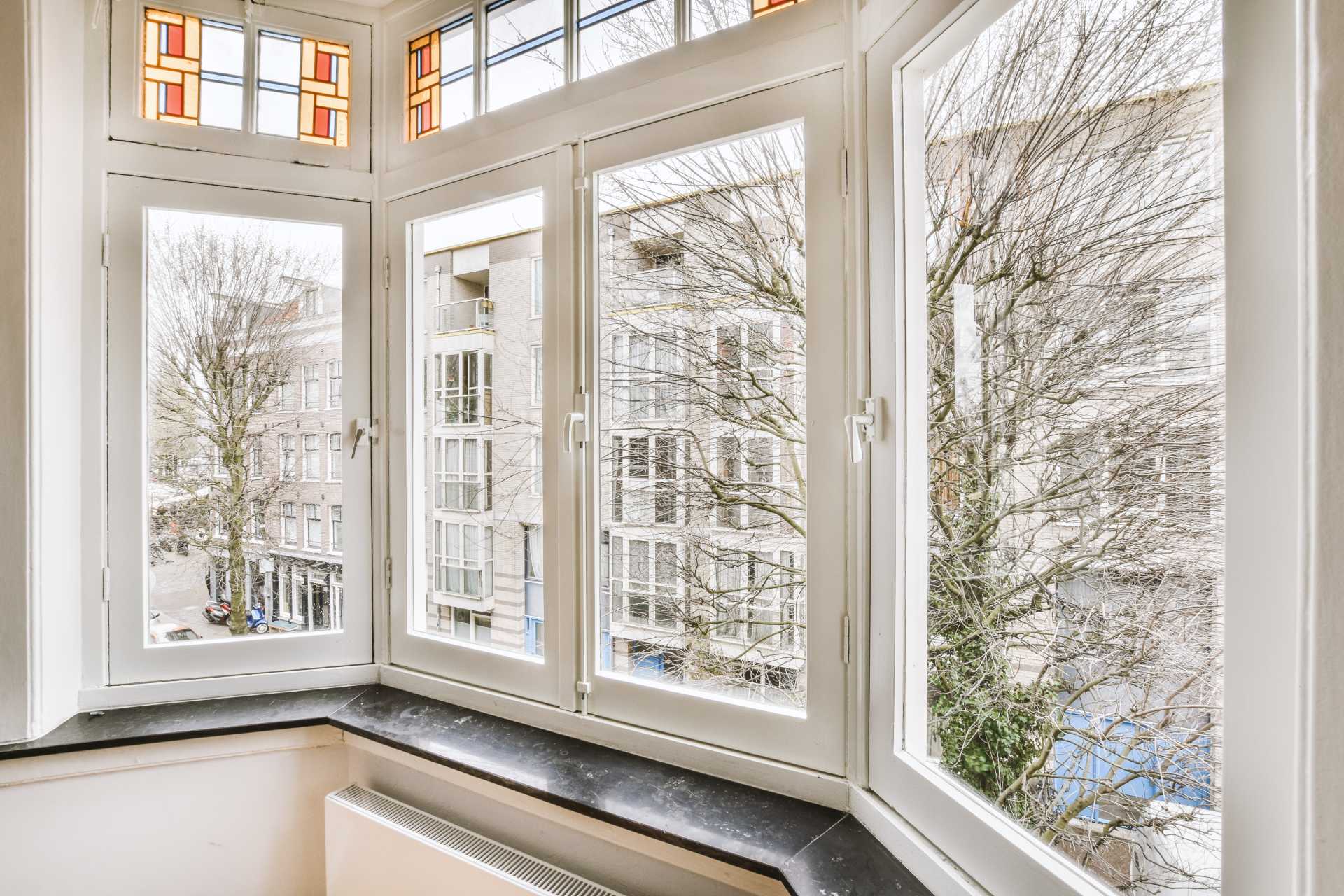
Bay windows exhibit a distinctive three-part structure, with the central window typically being larger and fixed. Flanked by two smaller operable windows, they project outward from the wall, creating an eye-catching external focal point. These windows are known for adding depth and dimension to the exterior of your home, creating charming nooks on the interior and framing specific aspects of your surroundings.
Bow windows, in contrast, introduce a soft, graceful curve. They feature multiple evenly spaced window panels that form a gentle arch. This curved design deviates from the angular lines of bay windows, lending a more fluid and harmonious look to your home's exterior. The absence of sharp angles contributes to a softer, more elegant aesthetic, making them a popular choice for those seeking a distinctive and eye-catching design.
Window Configuration
One key difference between bay and bow windows lies in the number of window panes. Bay windows typically consist of three to four panes, whereas bow windows feature a greater number, often five or more. This variance significantly affects the view, incoming light, and overall aesthetics of your space.
Bay windows, with their fewer panes, provide a segmented view, allowing you to frame specific elements of your surroundings. The larger central pane is typically fixed, ensuring an unobstructed view. The smaller operable side panes can be opened to allow fresh air and breeze into your room.
Conversely, bow windows, with their multiple panes, offer a broader and more open view of the outdoors. The additional window panels create a more extensive glass surface that bathes your interior in light and grants you a wider, panoramic perspective of your surroundings. This design is particularly appealing for those with beautiful natural surroundings or a desire to maximize the sense of space and connection to the outdoors.
Space and Interior Usage
Bay windows are particularly adept at creating intimate, cozy nooks within your home. These nooks can serve various purposes, whether it's a small library, a sunny corner for indoor plants, or a comfortable reading area. They carve out a space that's both functional and visually appealing. Bay windows have inspired homeowners to create charming spots for relaxation and creativity.
Bow windows, with their unique design, offer an entirely different interior experience. Their curvature allows for a more versatile and spacious interior. These windows create an open area that can be customized for various uses. Many homeowners choose to set up a charming dining nook within their bow window, taking full advantage of the panoramic view. Others use this space as a peaceful sanctuary for relaxation, adding comfy seating to enjoy the scenery. Bow windows provide a canvas for your creativity, allowing you to tailor the space to your specific needs and desires.
Exterior Appearance and Curb Appeal
The aesthetic enhancements each window type offers extend beyond the interior. Bay windows add a touch of sophistication to the exterior of your home with their angular design. They become a focal point that immediately catches the eye, enhancing the curb appeal of your property.
Bow windows, with their soft, curved lines, offer a different kind of curb appeal. The gentle arch adds a unique charm to your home's exterior, creating a harmonious and elegant look that can significantly boost your home's visual appeal.
Energy Efficiency
For the practical homeowner, energy efficiency is a crucial consideration. Both bay and bow windows have their strengths in this regard. Proper installation is essential to ensure the energy efficiency of these windows. A professional installation can help optimize insulation, sealing, and ventilation for both window types, allowing you to maintain a comfortable and energy-efficient home.
Cost and Installation
When it comes to the financial aspect, it's worth mentioning that bow windows tend to be a bit more expensive. This is primarily because of their curved design and the inclusion of more window panels. However, the actual expenses can fluctuate based on your specific needs and the choice of materials. It's crucial to weigh not only the initial purchase cost but also the long-term value and advantages of your investment.
Maintenance and Durability
As for maintenance and durability, the two window styles differ slightly in their requirements. Bay windows, with their straightforward design, generally demand less maintenance. Routine cleaning and upkeep will typically suffice to keep them in excellent condition. In contrast, bow windows, with their curved structure, may necessitate a tad more attention to ensure they remain in top-notch condition. The curved glass and framework might require additional care to prevent potential issues over time.
As for durability, both bay and bow windows are built to last. They are typically constructed from high-quality materials, such as wood, vinyl, or aluminum, which can withstand the test of time.
Choosing the Right Window for Your Home
When it comes to choosing between bay and bow windows, it's crucial to take into account your home's architectural design, the available space, and your personal preferences. Don't rush this decision; give it the time it deserves. Seeking advice from experts is a wise move to ensure that you make the best choice for your home. In the end, the decision between bay and bow windows boils down to how closely they match your unique requirements, style, and the overall visual appeal you aspire to create within your home.
Conclusion
In summary, bay and bow windows offer distinct advantages, from architectural aesthetics to interior functionality. Whether you opt for the angular elegance of bay windows or the sweeping charm of bow windows, your choice should align with your personal taste and your home's unique characteristics. So, go ahead and upgrade your home's appearance and functionality with the perfect windows and doors – the difference will be crystal clear.
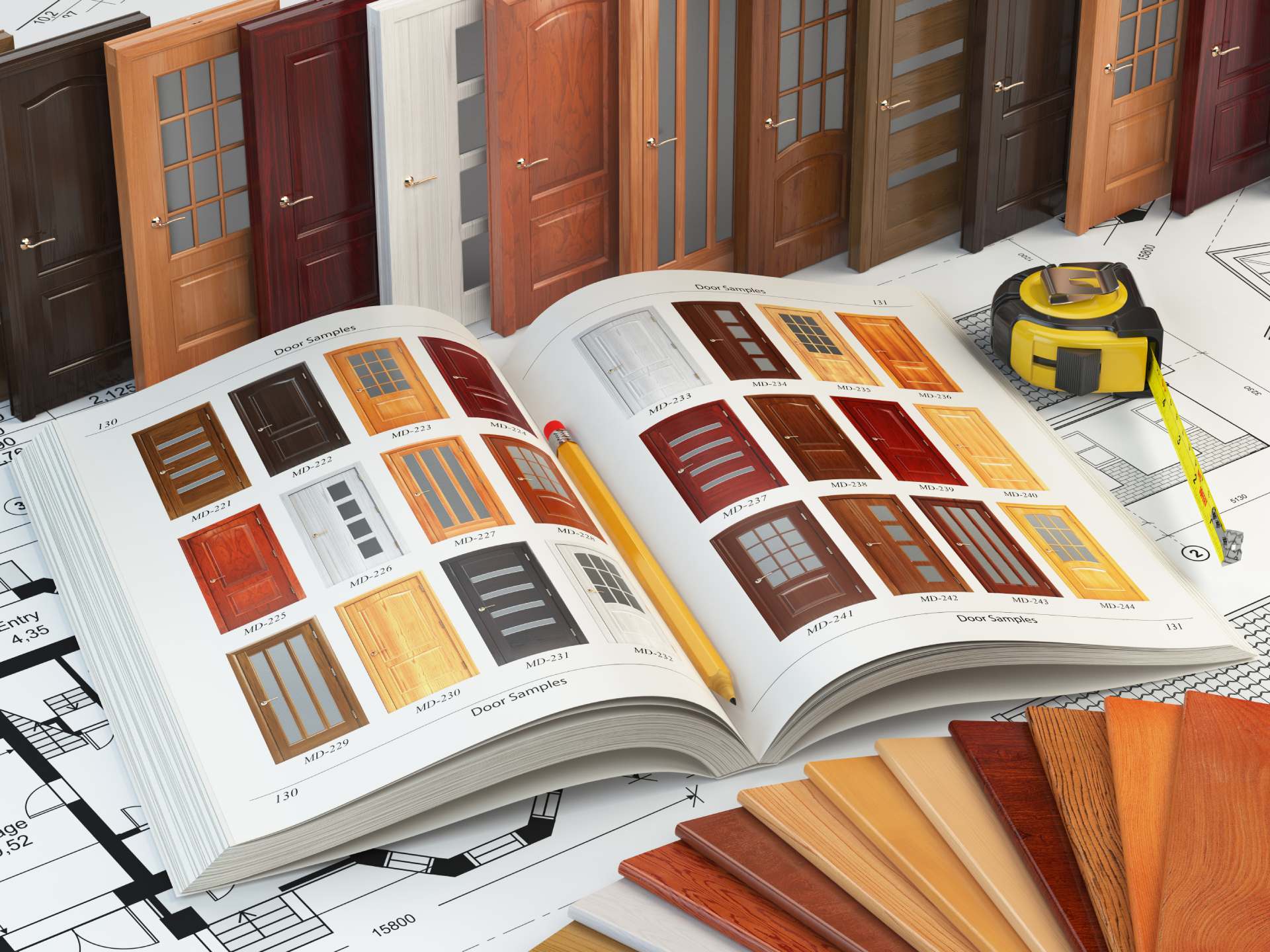
5 Essential Considerations Before Upgrading Your Windows & Doors
Windows and doors play a crucial role in safeguarding our homes, ensuring our security, and even boosting our home's overall appeal. But, like everything else, they age and wear out. That's when the idea of upgrading your windows and doors becomes a top priority. We're here to guide you through five key considerations before you embark on this exciting home improvement journey.
1. Do I Need an Upgrade?
Before you leap into upgrading your windows and doors, let's take a moment to think about your unique needs. This isn't about blindly following trends; it's about ensuring your investment aligns with what you truly need.
One significant consideration is energy efficiency. Those old windows and doors might be quietly siphoning away your hard-earned cash through sneaky drafts. Upgrading can lead to substantial savings on your energy bills down the road. Imagine a cozier home and a fatter wallet – that's the dream!
Of course, your safety and the safety of your loved ones are paramount. Outdated windows and doors might not provide the same level of security that modern options do. Upgrading can offer peace of mind, knowing your home is better protected against unwanted guests.
Finally, the looks of your house are as important as the other needs you have to consider. Aside from your personal satisfaction, a good-looking house can have a substantial impact on your home's resale value. New windows and doors can work wonders for your house's curb appeal, making it more inviting to guests and potential buyers.
To make your decision-making process smoother, try jotting down what you hope to achieve with this upgrade. Are you mainly focused on slashing those energy bills, beefing up security, or giving your home a fresh new look? Knowing your objectives will be your trusty guide throughout this journey.
2. Can I Afford to Upgrade My Windows and Doors?
Now, let's dive into the financial aspect of this home improvement journey – a topic that's crucial for any project. Upgrading your windows and doors is indeed an investment that can boost your home's value, but it's vital to have your finances in order.
Getting yourself a clear budget is necessary if you want this to be a successful project. It'll prevent you from overspending and ensure you have enough funds to continue the project until its completion. So, take time to look at your financial position and see whether an upgrade is something you can afford at the moment.
It's also good to remember that the overall cost of the project can vary due to different factors. A good example of this is the materials that will be used for the upgrade. Aside from the upfront cost of different materials, their unique features might call for specific installation techniques that will take more time and money. It's really best to gather as many quotes as you can before proceeding. Having a financial strategy will ensure that you get the upgrade you deserve.
3. What Materials To Use?
Not that you have the budget, the next step is choosing the right materials. Materials for windows and doors include wood, vinyl, and aluminum. Each material comes with its own distinct set of benefits and drawbacks, so it's of utmost importance to choose the one that best suits your particular requirements.
Wooden windows and doors offer classic beauty, but they demand regular upkeep to prevent rot and decay. Vinyl, on the other hand, is virtually maintenance-free and excels in energy efficiency. Aluminum is durable and modern but might not provide the same insulation as other materials.
Your local climate plays a significant role in your material selection. In harsh weather conditions, more robust materials like fibreglass might be a better fit. Also, consider your personal preferences. Do you lean toward the timeless appeal of wood or the modern simplicity of aluminum? Finding the right balance between aesthetics and functionality is key.
4. Can I Maintain My New Windows and Doors?
Maintaining your new windows and doors is an often overlooked aspect of ownership. Different materials have distinct maintenance needs, so let's shed some light on this topic.
Wood: Wooden windows and doors require periodic painting or staining to shield them from the elements. Neglecting this can lead to rot and decay. If you're ready to commit to this upkeep, wood can be a beautiful choice.
Vinyl: Vinyl is incredibly low-maintenance. It mainly needs occasional cleaning with soap and water to keep it looking pristine. For busy homeowners, vinyl offers the benefit of time-saving maintenance.
Aluminum: Aluminum is durable and generally resistant to rust and corrosion. Regular cleaning is typically all that's needed to maintain its appearance.
Proper maintenance not only keeps your windows and doors looking good but also extends their lifespan. Consider your lifestyle and how much time you can realistically dedicate to maintenance when choosing your materials.
5. Who Should I Ask For Help?
Finally, let's emphasize the importance of professionals in this upgrade process.
Installing windows and doors is more than just swapping out old for new. It involves precise measurements, structural considerations, and ensuring a snug fit to prevent drafts. Improper installation can lead to problems down the line, such as leaks and decreased energy efficiency.
So, the wisest decision you can make is to get a professional contractor to do the job. Their expertise and hands-on experience will ensure that the job is completed correctly from the get-go. While DIY projects can be fulfilling, when it comes to windows and doors, which are an investment in your home's comfort and value, professionals truly excel in delivering top-notch results.
The Risks of Not Taking These Into Consideration
We understand that the prospect of an upgrade can be quite thrilling, but neglecting the considerations we've outlined can have more downsides than upsides. For instance, not having a suitable budget may tempt you to cut corners, leading to an incomplete and unsatisfactory project. Likewise, attempting a full DIY approach without the necessary tools and expertise might result in windows and doors that don't harmonize with your home's aesthetics. Moreover, a poorly executed project can create security vulnerabilities, putting your loved ones at risk. Rushing into it could potentially leave you in a worse position than before you even initiated the upgrade.
Conclusion
Upgrading your windows and doors is a significant decision that can enhance your home's aesthetics, energy efficiency, and security. By considering your specific needs, budget, materials, maintenance, and the importance of professional help, you can embark on this home improvement journey with confidence. Take your time, make informed decisions, and watch as your home transforms into a more comfortable and beautiful space.
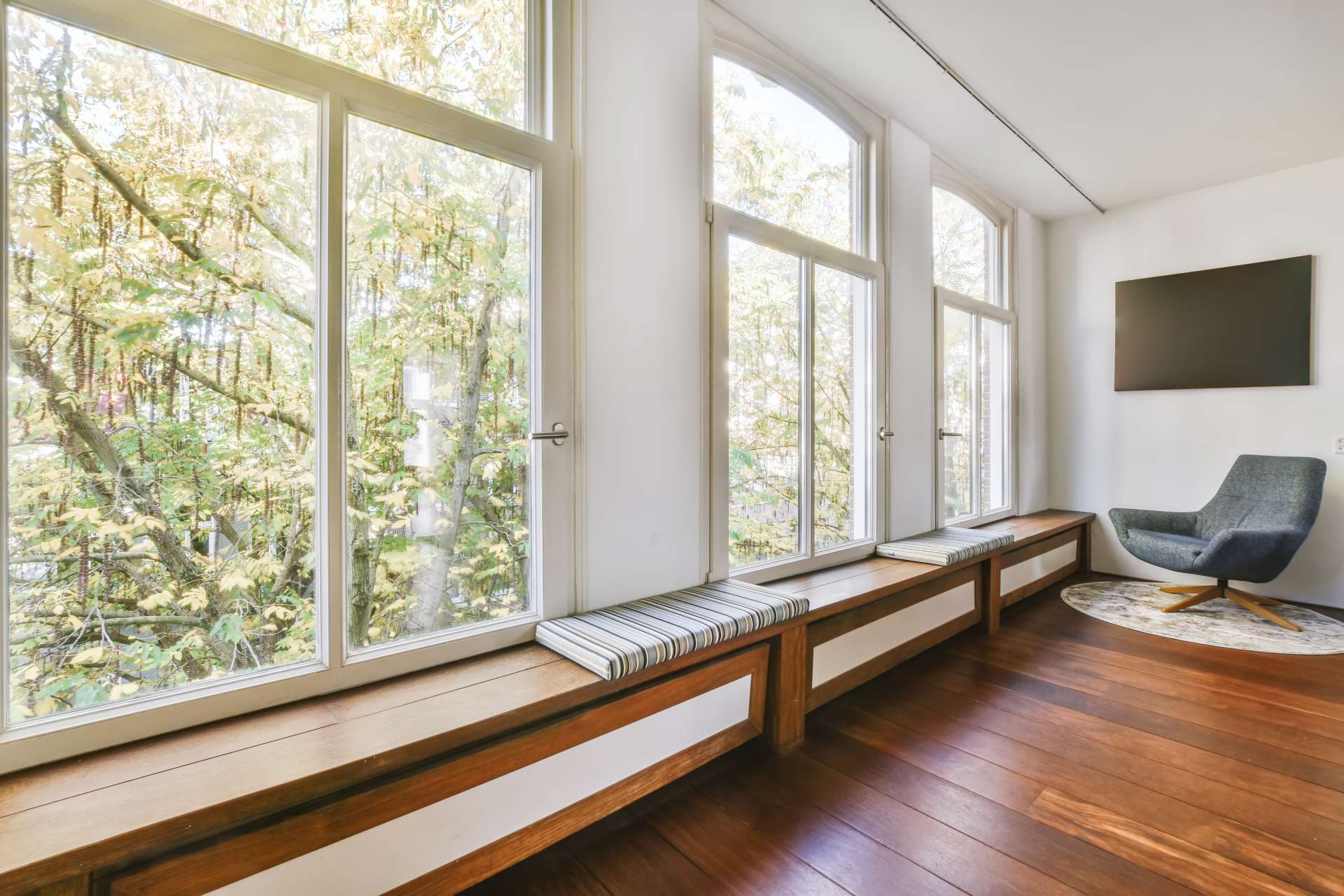
5 Advantages Of Triple Pane Windows
In the world of windows and doors, triple-pane windows are gaining popularity. These windows aren't just a passing trend. They're here to revolutionize the way we experience our homes. We're about to delve into the fantastic advantages that triple-pane windows bring to the table, so buckle up for a journey into the realm of enhanced comfort and efficiency.
Understanding Triple Pane Windows: Elevating Insulation and Comfort
Triple-pane windows are more than just your regular glass panels; they're like a cozy fortress for your home. Imagine three layers of glass stacked together, forming a robust trio between you and the elements. But that's not all – between these layers are air or gas-filled chambers that elevate their insulation game to a whole new level.
The construction of triple-pane windows involves more than just slapping together three layers of glass. The design of these windows optimizes insulation and performance.
High-Quality Glass: Each of the three glass panes is made from high-quality materials engineered to provide durability, clarity, and energy efficiency.
Spacer Systems: The layers of glass are separated by spacer systems, which maintain consistent spacing between the panes. These spacers are energy-efficient and often contain desiccants that prevent condensation and moisture buildup between the layers.
Gas Filling: If the chambers between the glass layers are filled with gas, such as argon or krypton, it's not just to sound fancy. These gases are denser than air, which reduces heat conduction, adding another layer of insulation.
A Deep Dive on Triple-pane Window Advantage:
Superior Insulation: Keeping Comfort In and Extreme Temperatures Out
The secret to triple pane windows' exceptional insulation lies in their layered design. Think of them as the cozy sweater your home wears to combat extreme temperatures. With three layers of glass and those nifty air pockets, these windows create a barrier that keeps indoor warmth during winter and outdoor heat during summer right where they belong. Say goodbye to those icy drafts and sweltering afternoons.
The magic of these windows can be seen right on your energy bill. With less heat escaping in winter and less heat infiltrating in summer, your heating and cooling systems can take a breather. That's right – lower energy consumption means lower bills, making your wallet and the environment smile.
Energy Efficiency Galore: Saving Money and the Environment
You might be wondering, how exactly does insulation connect with energy efficiency? This principle behind it is actually quite simple. When triple-pane windows properly insulate your home, you'll have more stable indoor temperatures. And stable temperatures mean your heating and cooling systems don't need to go the extra mile to keep your indoor climate cozy. This characteristic translates to using less energy, resulting in clear-cut savings on your utility bills.
But the ripple effect extends beyond your financial gain. As you trim down your energy consumption, you play a part in environmental stewardship. It's a modest adjustment that, when joined by others, creates a substantial impact by shrinking your carbon footprint and contributing to a greener tomorrow.
Noise Reduction: Creating a Tranquil Indoor Haven
Living near bustling streets or rowdy neighbours? Triple-pane windows are your new best friend. The added layers of glass serve as noise buffers, intercepting and muffling external sounds. Those air-filled chambers? They're like your personal soundproofing assistants, ensuring that traffic and commotion stay where they belong – outside.
Imagine enjoying a serene living space without the intrusion of honks and shouts. Triple-pane windows bring peace, turning your home into a sanctuary away from the noise of the outside world.
UV Protection: Shielding Your Home and Health
The sun is wonderful, but its UV rays? Not so much. Triple-pane windows guard your home and health against these harmful rays. You see, these UV rays can wreak havoc on your furniture, flooring, and even your well-being. Those UV-blocking coatings in triple pane windows act as shields, keeping the harmful rays at bay.
These coatings aren't just about keeping your décor's colours vibrant; they're also a shield for your family against potential health hazards linked to prolonged UV exposure. It's like gifting your home a chic pair of sunglasses that genuinely care for your well-being.
Enhanced Security: Defending Your Home with an Extra Layer
When it comes to safeguarding your home, triple-pane windows have your back. The additional layer of glass serves as a formidable obstacle against potential intruders. Imagine attempting to breach not one, not two, but three layers of glass. It's a challenge that's more than sufficient to discourage even the most resolute wrongdoers.
This extra layer of protection grants you the peace of mind you deserve. You'll sleep better at night knowing your home has an added defence against unwelcome visitors.
Considerations and Costs
Of course, as with any upgrade, there are factors to consider. Triple-pane windows might involve a higher initial cost, but remember you're investing in long-term benefits. Think of it as putting money into a cozier, quieter, and more efficient future. Additionally, when opting for installation, choose reputable professionals to ensure the windows perform their best.
Maintenance Considerations: Keeping Your Investment in Prime Condition
Maintaining your triple-pane windows isn't a complicated task. So, here are some tips to ensure their long-term performance:
Regular Cleaning:
Just like any windows, triple-pane windows benefit from regular cleaning. Use a mild soap and water solution to clean the glass and frames. But avoid abrasive materials that could scratch the glass.
Inspect Seals and Weatherstripping:
Periodically inspect the seals and weatherstripping around your windows. If you notice any gaps or deterioration, address them promptly to maintain the windows' energy efficiency.
Condensation Management:
While manufacturers designed triple-pane windows to reduce condensation, monitoring moisture levels is still a good idea, especially during extreme temperature changes. Use proper ventilation to manage indoor humidity.
Hardware Check:
Check the operation of handles, locks, and hinges. Lubricate moving parts if needed to ensure smooth operation.
Conclusion: Elevate Your Home's Comfort and Efficiency
To sum it all up, triple-pane windows are like the superheroes of the windows and doors world. They bring exceptional insulation, energy savings, noise reduction, UV protection, and enhanced security to your home. While the initial costs and installation considerations might raise an eyebrow, the long-term benefits speak for themselves.
So, if you're prepared to turn your home into a snug and efficient sanctuary, take a closer look at the perks of triple-pane windows. This upgrade could very well be the solution that opens the door to a fresh realm of comfort and well-being for both you and your cherished ones.
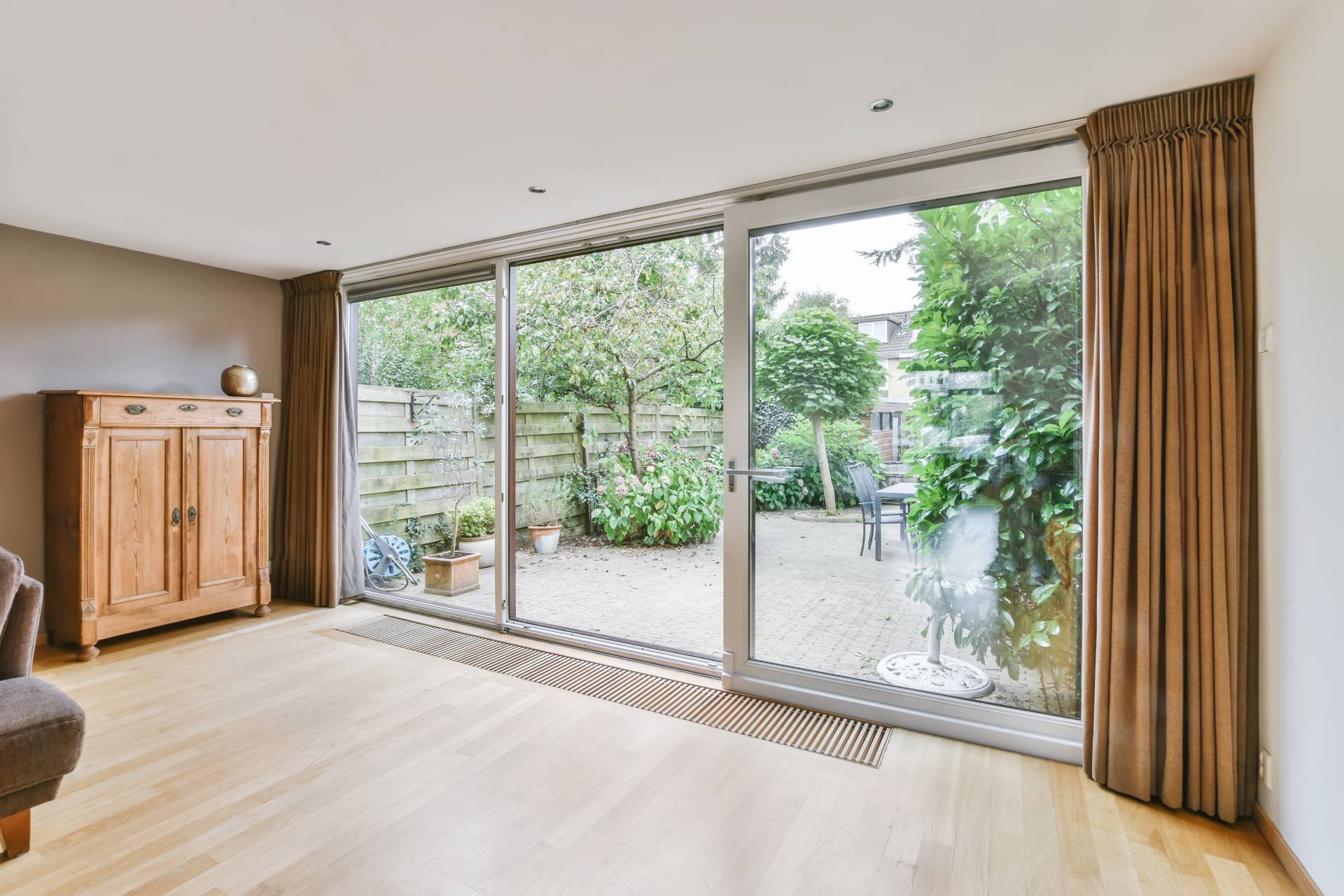
Outdoor Spaces: Enhancing Your Patio with Sliding Doors and Large Windows
Outdoor patios provide accessible spaces to connect with nature. From the comfort of your own home, you can experience the changing seasons, enjoy fresh air, and soak in natural sunlight. With outdoor patios, you can relax or unwind or host social gatherings. Whether you have a garden or landscaping or have added accents and décor, your outdoor patio serves as a visually appealing focal point that contributes to your home’s overall curb appeal. A well-designed outdoor patio can harmoniously blend with the architectural style of your home. It serves as an extension of your home’s living space, adding functional value as well.
Windows and doors connect your home’s interior and exterior areas. If your home has an outdoor patio, sliding doors and large windows can improve your experience and enhance your home’s aesthetic. Here are some ways they do:
Indoor-Outdoor Flow
Providing unobstructed views of the outdoors, sliding doors and large windows can blur the boundaries between your indoor living space and the patio. When open, the sliding doors remove physical barriers between your indoor space and your outdoor patio. This creates a more fluid flow between the two spaces. With sliding doors, it is easy to move between your home’s indoor and outdoor areas, making your patio feel like an extension of your home. Enhancing the indoor-outdoor flow of your home can encourage you to incorporate outdoor living into your daily routines, such as using the patio for morning coffee, afternoon work, or evening relaxation. The seamless integration and flow between these spaces can help you feel less cooped up at home and more connected to the outdoors, positively impacting your overall wellbeing.
Expansive Views
Large windows and sliding doors often feature wide floor-to-ceiling glass panels and minimal frames, which minimize the visual barriers between the indoors and outdoors and offer expansive views of your outdoor patio and its surroundings. Large windows and doors can provide panoramic sightlines that capture the entirety of your patio area, enhancing the sense of openness and connection to the outdoor environment. When strategically placed, large windows and sliding doors can frame specific aspects of your patio, garden, or landscape, creating a visually pleasing focal point that draws the eye. Fully opening sliding doors can create a visual extension from your indoor space to your patio, making your patio feel like an integrated part of your living area.
Abundant Natural Light
With wide glass panels of large windows and sliding doors, more sunlight can enter your home from various angles throughout the day. This means that you will not need to rely on artificial lighting to create a bright and comfortable environment in your living spaces. Natural light creates a comfortable ambiance and helps make your living spaces feel comfortable and welcoming. As the sun changes positions throughout the day, you can enjoy the dynamic aesthetic created by the play of light and shadows at different times of the day. Sliding doors and large windows can significantly increase the overall brightness and visual appeal of your home and reinforce your connection to the outdoor environment.
Seamless Entertaining
Sliding doors can create a harmonious environment for social gatherings. By keeping sliding doors open, you can allow guests to easily move between your home’s indoor and outdoor spaces. Making your outdoor patio accessible allows for an expanded gathering space and avoids overcrowding in your indoor spaces. Furthermore, with the option to open or close sliding doors, you can have the flexibility in arranging dining and entertainment areas. You can opt to serve food indoors and then dine outdoors. You can also adjust the layout to suit different stages of your event or gathering, such as an outdoor cocktail hour followed by an indoor dinner. Having the option to move between indoor and outdoor spaces can make hosting more enjoyable and efficient. It can also keep guests connected and engaged, whether they are indoors or outdoors. In some cases, such as changing weather conditions, easy access to the indoor spaces can ensure your guests’ comfort and overall enjoyment.
Aesthetic Integration
From both the exterior and the interior, the design of large windows and sliding doors can complement the architectural design of your home. The glass surfaces of the windows and doors can reflect outdoor elements, such as the landscaping, and create an illusion of expanded space as you look at your home from your outdoor patio. The use of large windows and sliding doors can encourage you to treat your patio as an extension of your indoor living space and inspire you to decorate it with furnishings and accessories that match your indoor décor. Large windows and sliding doors act as frames that showcase the outdoor environment. They let you appreciate the design of your patio and turn the view of your patio and its surroundings into a captivating design feature of your home.
When incorporating large windows and sliding doors as design elements for your outdoor patio, be sure to consider the orientation of your home, the location of key views, the placement of furniture, and the landscaping and layout of your patio space. With these in mind, you can design a beautiful and functional patio that complements your home’s overall aesthetic.
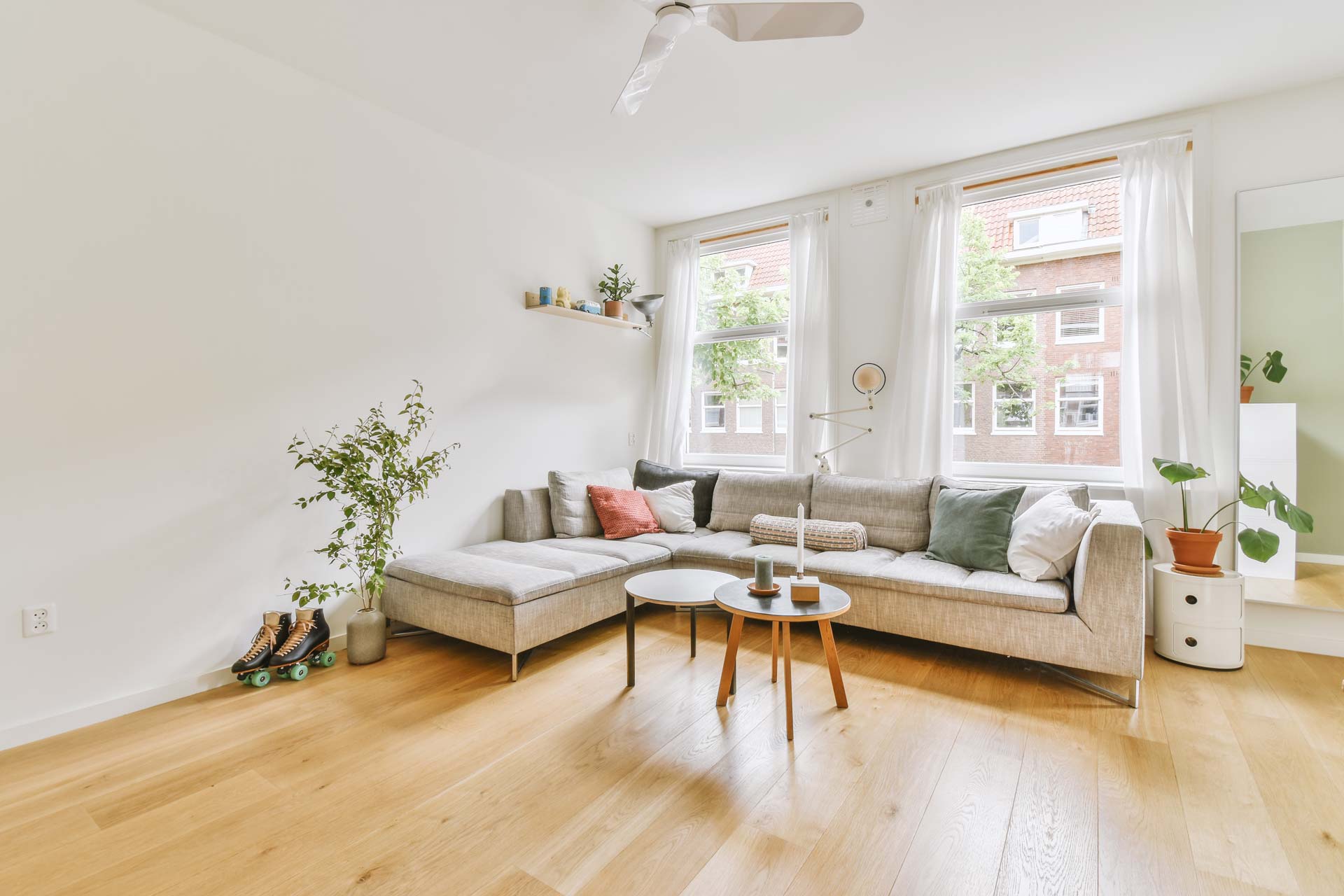
How Replacement Windows and Doors can Help Make Your Living Room Quieter
Are you beginning to hear unwelcome outside noise from your living room? If you live near a busy road or if your neighbourhood has been changing, you might be hearing noise from new construction sites or even noise from activities at nearby businesses, restaurants, or recreational areas. You might also be hearing traffic noise, such as the sounds from cars, trucks, motorcycles, and public transportation. Some days you might even hear environmental noise from strong winds, rain, or storms.
Noise insulation is important for fostering comfort and well-being inside the home. If your windows and doors no longer provide sufficient noise insulation from traffic noise, construction noise, neighbourhood noise, or environmental noise, you may benefit from replacement windows and doors. Here are some ways replacement windows and doors can help reduce outside noise and make your living room quieter:
Window Glazing
Window glazing refers to the process of installing glass panes in windows. It involves placing and securing the glass within the window frame to create a sealed unit. Among the functions of window glazing are insulation, energy efficiency, and soundproofing.
There are different types of window glazing that can be used, such as single glazing, double glazing, triple glazing, and laminated glazing. These types are differentiated by the number or types of layers used for window glazing. Single glazing refers to windows that consist of a single pane of glass, which tends to provide minimal insulation and soundproofing properties. However, double glazing, triple glazing, and laminated glazing involve multiple layers of glass. By combining multiple layers of glass in a window, window glazing can help reduce noise from entering indoor spaces. Double glazing and triple glazing involves the use of two or three glass panes, each separated by an air or glass-filled space. The space between the glass panes creates an additional barrier against heat transfer and noise transmission, improving insulation and energy efficiency. Laminated glazing consists of two or more layers of glass bonded together with a layer of plastic, which enhances safety and security by holding the glass together if it gets shattered. In addition, the plastic layer in laminated glazing helps dampen vibrations and reduce noise transmission.
Construction and Fit
The door panel and window panes should be installed and adjusted properly to ensure a snug fit and a tight seal. A secure and properly sealed window or door frame can help prevent sound leakage through gaps and minimizes vibrations that can transmit noise. Furthermore, properly installed thresholds and door sweeps help seal the gap between the bottom of the door and the floor, which can block the sound transmission through this area.
In addition, using door frames made with denser material can help absorb sound waves and reduce their transmission into the room. Thicker and wider door and window frames provide more surface area for sound absorption and can help dampen vibrations.
Weatherstripping and Sealing
Weatherstripping refers to the application of a sealing material to the movable parts of windows and doors. Commonly used materials include foam, rubber, vinyl, or felt strips. Weatherstripping helps seal the gaps between the sashes or panels and the frame when the windows and doors are closed. On the other hand, seals are applied to the stationary parts of windows and doors, such as the frame or threshold, and creates an airtight seal between the frame and the sashes or panels when the windows and doors are closed. Seals are typically made of flexible materials like rubber or silicone, which help block air, water, and noise.
Proper installation and maintenance of weatherstripping and sealing materials are essential to ensure their effectiveness. Weatherstripping and sealing materials fill gaps and cracks, which contribute to air leaks. By enhancing overall airtightness of windows and doors, weatherstripping and sealing can block the transmission of noise from outside.
Mass and Density
High-density materials with sufficient mass can absorb and dampen sounds and vibrations more effectively than lightweight materials. Windows and doors that use materials with high mass and density can act as barriers to sound transmission and can reduce the amount of noise that can penetrate the room.
Window glazing, construction and fit, weatherstripping and sealing, and mass and density are factors that work together to help windows and doors insulate your home from outside noise. Older or poorly insulated windows and doors may not effectively block outside noise, such as those from traffic, construction, neighbourhood, or other environmental activities, from entering your home. Replacing your home’s windows and doors can help reduce unwanted noise from entering your home and can help you create a quieter and more peaceful indoor environment.
It is important to consult with professionals who can assess your specific concerns and recommend the appropriate windows and doors that can meet your requirements, including noise insulation. They can guide you through selecting products with suitable glazing, frame construction, and weatherstripping and sealing features that can effectively minimize noise transmission. Furthermore, with their experience, they can properly and expertly install windows and doors to ensure the effectiveness of the replacement.
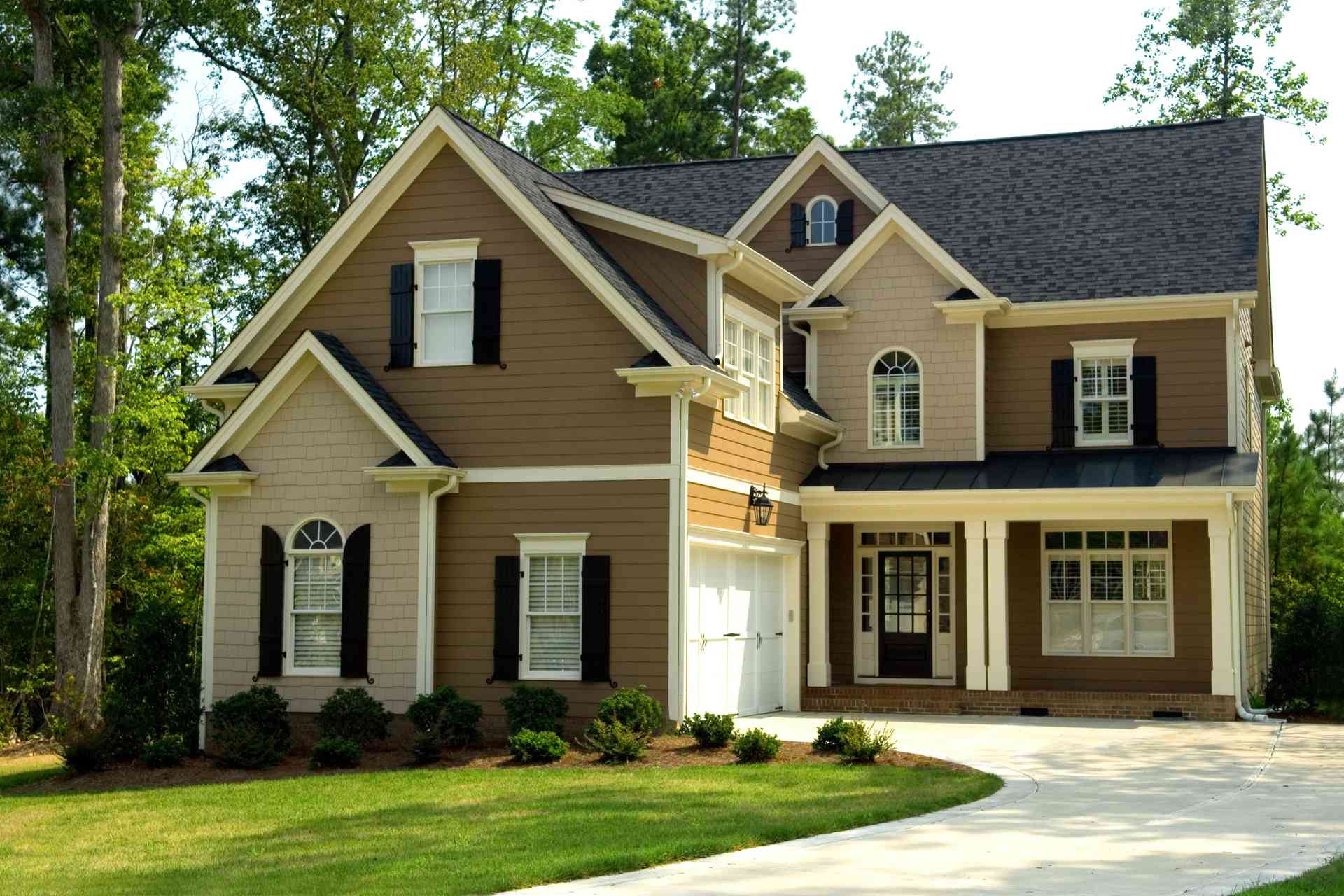
5 Maintenance Hacks to Keep Your Windows Looking Sharp this Spring
Spring is the ideal season to revitalize your home, and one area that is sometimes forgotten is the upkeep of your windows and doors. Since windows serve as entrances to the outside world, they require special attention to keep them appearing crisp and appealing. There are a variety of maintenance hacks and practical ideas to keep your windows and doors in beautiful condition during the spring season. You can enjoy the beauty and usefulness of your windows and doors while enjoying the invigorating spirit of spring with a little effort and these helpful tips.
1. Setting up and gathering supplies
Spring is a time for regeneration and new beginnings, and what better way to celebrate than by refreshing your windows? The first step is to get your windows ready for the season. Decluttering the area surrounding your windows creates a clean and open place for simple access and thorough inspection. Remove any plants, furniture, or other impediments to your cleaning operation. This not only simplifies your efforts but also creates a calm setting in which your windows can truly shine.
After you have decluttered your room, it's time to assemble your cleaning items. When it comes to window cleaning, it is essential to choose a mild and effective window cleaner. Gather the required instruments to provide a complete and flawless cleaning. A microfiber cloth is ideal for wiping away dirt and grime without leaving streaks or lint. Keeping a squeegee on hand for a smooth and quick cleaning is also a good idea, especially on bigger windows. A soft-bristle brush can also be useful for removing stubborn stains or reaching into corners. Finally, a vacuum cleaner with a brush attachment is essential for eliminating loose dirt and dust from the sills and frames, guaranteeing a comprehensive and precise cleaning operation.
2. Streak-free windows
When it comes to preserving the attractiveness of your home, having immaculate, streak-free windows is the ultimate goal. To get started, timing is important, choose an overcast day or a period when the sun is not shining directly on your windows. Direct sunlight could lead to the cleaning solution drying too rapidly, leaving ugly stains behind. Cleaning on a cloudy day allows the cleaner to operate without hindrance from the sun's beams. When it comes time to clean your windows, use a simple yet efficient method. On one side of the pane, use vertical strokes and horizontal strokes. This procedure makes it simple to identify and remove any streaks that may occur, resulting in a faultless finish. Remember to use a light touch and even pressure as you make your way across the glass. Choosing the appropriate equipment may make all the difference when it comes to streak-free windows. For best results, use a high-quality microfiber cloth or a rubber-edged squeegee. These products are particularly intended to reduce streaking, so your windows dazzle and sparkle in the bright spring sunlight.
3. Reviving window frames and sills
It is imperative to provide equal care to the window frames and sills when it comes to preserving the overall appearance and functioning of your windows. Fortunately, with a little care and effort, you can simply restore your window frames and sills to like-new condition. Remove any loose dirt and debris before beginning the process of rejuvenating your window frames and sills. Begin by gently sucking away any collected dust or grime from the surfaces using a vacuum cleaner equipped with a brush attachment. This first process can help in preventing dirt from spreading throughout the cleaning process. After the loose dirt has been removed, use a gentle cleaning solution with mild soap and water. In a bucket or container, combine a tiny amount of mild soap with water, making sure the solution is not too concentrated. Dip a soft cloth or sponge into the soapy water and wring it out to remove any excess liquid. Then, apply the soapy solution carefully to the window frames and sills, being sure to thoroughly cover all surfaces.
Scrub away any stains or markings that may have developed on the frames and sills with the soapy solution. It is important to rinse the soapy residue from the frames and sills after scrubbing. To fully rinse away the soap, use a clean cloth or sponge wet with clean water. Check that all of the soap has been gone, since any leftover residue may collect dust and debris, rendering your efforts unproductive. After the frames and sills have been washed, thoroughly dry them. Wipe away any extra wet with a clean, dry towel to avoid water damage. Pay special care to the edges and corners, where water tends to collect. Keeping the frames and sills totally dry will assist to maintain their structural integrity and prevent any possible moisture concerns.
4. Tackling window screens and tracks
Window screens and tracks are essential for keeping your windows clean, functional, and visually appealing. These regions can gather dirt, dust, and even bugs over time, impeding their smooth operation and detracting from the overall beauty of your windows. However, by including a few basic steps into your window care routine, you can keep both the screens and the tracks in excellent shape. Begin with the window screens. To start with, carefully remove them from the windows, being careful not to harm the delicate mesh. After you have removed the screens, you can thoroughly clean them. In a bucket or sink, combine warm water and mild soap. Clean them carefully with a soft brush or sponge. Pay careful attention to the corners and edges, which tend to collect dirt and debris. Thoroughly rinse the screens to eliminate any traces of soap, ensuring they are clean and residue-free. Finally, allow the screens to fully dry before reinstalling them on the windows.
Moving on to the window tracks, it's essential to remove any loose dirt or debris that has collected over time. This may be accomplished by gently sweeping away the debris with a vacuum cleaner equipped with a brush attachment or a tiny brush. Clean thoroughly, ensuring that all nooks and crevices are clear of dirt. It may be beneficial to lubricate the tracks of your windows to guarantee smooth operation. To clean the tracks, use a silicone-based spray or a thin application of petroleum jelly. These lubricants will minimize friction and make it easier to open and close the windows. Sparingly apply the lubricant, concentrating on the regions where the window slides down the tracks. Wipe away any excess lubrication to prevent dirt and dust from adhering to it.
5. Make maintenance and inspections a routine
When it comes to window maintenance, more than mere appeal is at risk. Regular maintenance is critical to the lifespan of your windows and may save you the trouble and expense of repairs or replacements. You can keep your windows in good condition and enjoy their benefits for years to come by adding a few of the mentioned practices into your routine. Cleaning your windows at least twice a year, preferably in the spring and fall, is an essential practice. In addition to regular cleaning, it is essential to examine your windows on a regular basis for signs of wear or damage. Keep a look out for cracked or chipped glass, damaged seals, or faulty gear. These flaws can jeopardize the performance of your windows and perhaps lead to energy inefficiency or security threats. You can avoid more damage by correcting these issues as soon as possible.
As spring approaches, with its promise of new beginnings, now is the time to focus on the upkeep of your windows and doors. You can keep your windows looking crisp by using the maintenance hacks and techniques mentioned, welcoming plentiful natural light into your room, and increasing the overall aesthetics of your home. Embrace the spirit of spring, put in a little time and work, and enjoy the clean, lively atmosphere that well-maintained windows and doors provide to your home.