
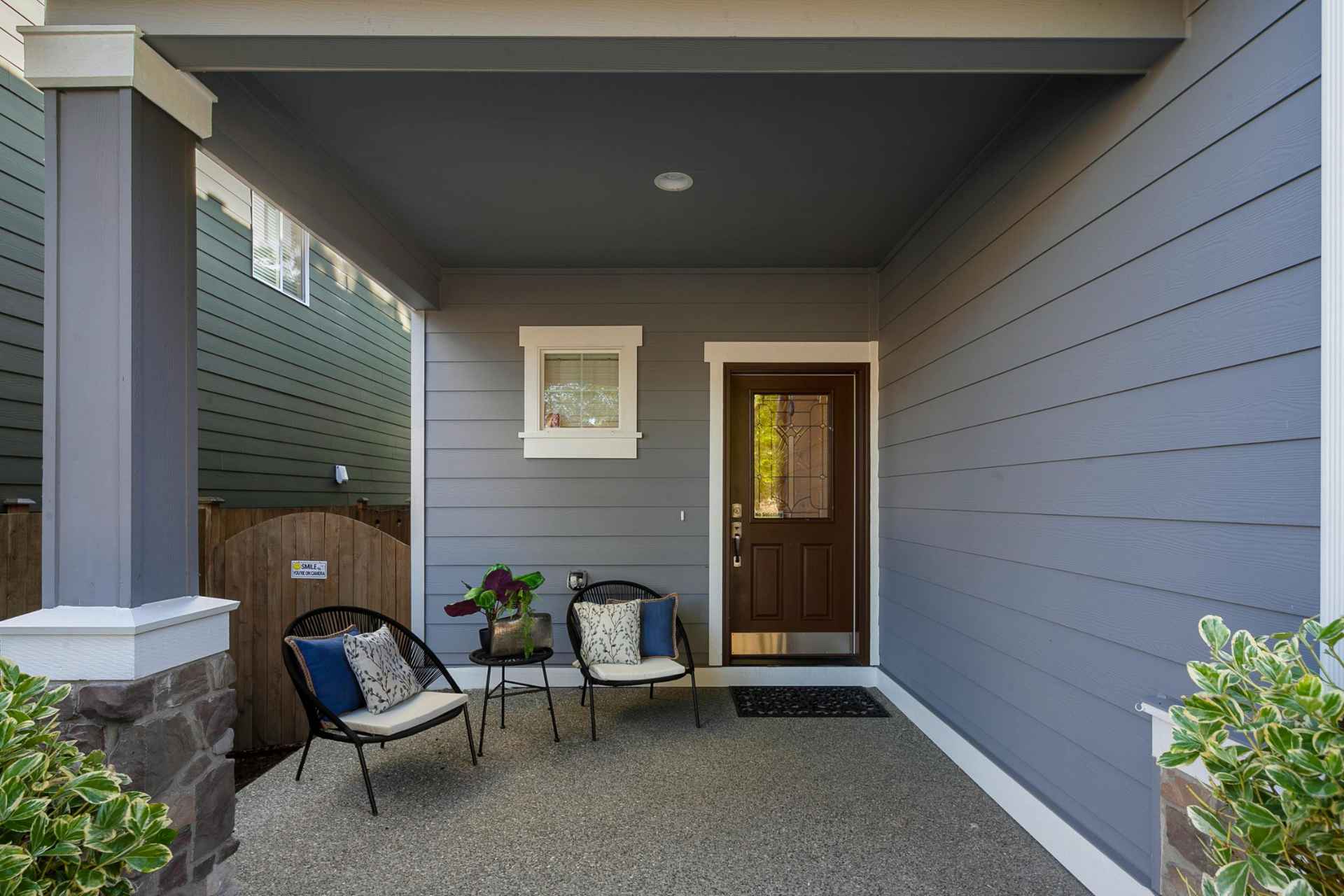
The Complete Guide to Insulated Siding: Efficiency, ROI, and Winter Performance
Canadian winters put an extraordinary strain on home heating systems and family energy budgets. From sub-zero cold snaps in Alberta to prolonged coastal dampness in Atlantic Canada, maintaining warm, comfortable indoor living spaces requires an airtight, highly insulated building envelope. While homeowners frequently upgrade furnaces or add attic insulation, standard exterior wall assemblies remain a massive source of invisible heat loss. Undertaking a targeted siding replacement with modern foam-backed materials eliminates thermal short circuits across your walls, delivering unmatched indoor comfort and substantial monthly energy savings.
Achieving complete thermal protection requires treating your exterior structure as an integrated unit. Just as partnering with a reputable roofing company ensures that upper attic spaces remain snow-tight and properly vented, wrapping exterior walls in continuous insulation seals the building perimeter from ground level to roofline. Transitioning from traditional cladding to engineered insulated siding creates an impermeable barrier that keeps winter furnace heat inside where it belongs.
The Quick Edit
- Thermal Bridging Elimination: Contoured foam backing stops heat from escaping directly through uninsulated wooden framing studs.
- Impact & Wind Protection: Rigid EPS foam backing supports siding faces against wind-driven hail, flying debris, and severe freeze-cracking.
- Equity & EnerGuide Upgrades: Upgrading to insulated cladding lowers total heating costs, prevents interior wall condensation, and boosts resale value.
The Science of Thermal Bridging Across Exterior Walls
To understand why traditional siding falls short during Canadian winters, one must examine how heat moves through standard timber-frame wall construction. Traditional residential walls consist of vertical wooden studs spaced sixteen inches apart, with fibreglass insulation batts stuffed into the stud cavities.
While fibreglass insulation provides decent thermal resistance between studs, solid wood framing studs do not insulate well. Wood acts as a thermal bridge—a highway of high conductivity that allows heat to bypass cavity insulation entirely. Because wooden studs make up roughly twenty-five percent of an average wall's total surface area, one-quarter of your home's exterior wall surface lacks adequate thermal protection.
Standard vinyl, aluminum, or fibre cement siding panels hang directly against this framing, offering almost no additional insulation value. During freezing weather, heat continuously escapes through these wooden studs in a process known as wall assembly thermal bridging. Insulated siding solves this fundamental building science flaw by placing a continuous layer of expanded polystyrene (EPS) foam over the entire wall surface, completely capping thermal bridges.
Anatomy of Insulated Siding: How EPS Backing Works
Insulated siding is not simply standard cladding with thin foam sheets tacked behind it during installation. True insulated siding consists of a heavy-duty vinyl or composite face permanently fused to a contoured expanded polystyrene (EPS) foam core during factory manufacturing.
This custom-contoured foam core completely fills the hollow space behind the siding panel's stepped profile. By eliminating empty air cavities behind the cladding face, the foam backing creates a solid, rigid wall component with exceptional structural and thermal properties.
Key performance advantages of factory-fused EPS backing include:
- Boosted R-Value: Standard vinyl siding carries an insulating value of roughly R-0.6. Adding contoured EPS foam raises the cladding assembly's thermal resistance to R-2.0 through R-5.0, significantly boosting total wall R-value.
- Permeable Breathability: High-density EPS foam is engineered with microscopic drainage channels and permeability ratings that allow interior moisture vapour to escape harmlessly, preventing trapped condensation inside wall cavities.
- Acoustic Dampening: The dense foam backing absorbs exterior noise transmission, reducing street traffic, roaring winter winds, and neighbourhood noise by up to forty percent.
Defeating Impact Damage and Severe Winter Weather
Canadian winters subject exterior materials to extreme mechanical stress. As temperatures plunge well below freezing, unbacked vinyl siding becomes increasingly brittle. Wind-driven ice storms, flying tree branches, or even kids playing hockey in the driveway can easily crack, shatter, or dent uninsulated siding panels during cold snaps.
Insulated siding provides superior impact resistance because the solid EPS foam backing supports the entire surface of the cladding face. When hail or debris strikes an insulated panel, the foam core absorbs and dissipates the force of the impact, preventing the outer shell from flexing inward and shattering.
Furthermore, the rigid foam backing prevents panel sagging and keeps horizontal lap lines perfectly straight across long spans, even over irregular or aged exterior wall sheathing. Learning how to properly weatherproof your siding for the harsh winters through continuous foam insulation ensures that your home envelope maintains its structural integrity and crisp architectural appeal through years of severe weather.
Real-World ROI: Lower Energy Bills and Higher Home Value
Upgrading to insulated siding represents a significant investment, but the long-term financial returns make it one of the highest-ROI home improvement projects available to Canadian property owners.
The immediate financial benefit comes through monthly utility bill reductions. By eliminating thermal bridging and reducing continuous furnace cycle workloads, insulated siding can cut home heating energy loss by up to twenty percent. Over a typical Canadian winter heating season, these monthly savings add up quickly, allowing the siding upgrade to offset its installation costs over time.
Beyond monthly utility savings, insulated siding delivers tangible equity gains:
- Improved EnerGuide Ratings: High-efficiency continuous insulation improves official Canadian EnerGuide home energy audit scores, making your property far more attractive to eco-conscious buyers.
- Elimination of Cold Spots: By maintaining uniform wall surface temperatures, insulated siding eliminates chilly interior wall cold spots and prevents unsightly dark dust lines (ghosting) along stud locations on interior drywall.
- Enhanced Curb Appeal & Durability: The rigid, solid feel of insulated siding mimics the substantial look of expensive custom wood timber, increasing overall property valuation and buyer appeal.
Evaluating the real ROI of new and modern siding goes far beyond surface cosmetics; it lies in permanent energy reduction, enhanced structural protection, and elevated indoor comfort.
Knowing When to Upgrade: Recognizing Irreparable Wall Failure
While routine maintenance can prolong the life of older cladding, every siding system eventually reaches the end of its functional service life. Continuing to patch severely degraded cladding wastes money while leaving your home exposed to structural decay.
Inspect your home's exterior for these critical indicators of systemic cladding failure:
- Severe Surface Brittle Cracking: If vinyl panels crack or snap under light hand pressure during cold weather, the material's chemical plasticizers have completely broken down.
- Persistent Wall Moisture and Mould: If interior room walls show chronic mould or bubbling paint despite proper indoor humidity control, water is penetrating the siding assembly.
- Widespread Buckling and Loose Panels: When panel hemlocks warp, pull away from fasteners, or drop out of alignment across multiple elevations, structural integrity is lost.
When facing extensive panel cracking, persistent moisture intrusion, or soaring heating bills caused by aging, uninsulated walls, it’s time to replace your siding as soon as possible before seasonal freezing temperatures cause expensive structural frame rot.
Installation Best Practices for Canadian Climates
Proper installation is critical to achieving the full thermal performance of insulated siding. Because EPS foam-backed panels are thicker and stiffer than standard cladding, specialized trim accessories and installation techniques are required.
Qualified installers use extended-depth window J-channels and wide corner posts to accommodate the added thickness of the foam backing. Self-adhering flashing tape must be applied around all window and door openings before siding panels are installed, ensuring that the primary weather-resistive barrier (WRB) remains completely watertight.
Additionally, installers must account for thermal movement. While EPS foam reduces panel temperature fluctuations, the outer vinyl face still expands and contracts. Fasteners must be driven straight into stud centers, leaving a small clearance gap under nail heads so panels can float smoothly during seasonal temperature shifts.
Cozy, Efficient Living Through Canadian Winters
Insulated siding is a game-changing upgrade for Canadian homeowners seeking to combine modern exterior style with serious energy efficiency. By capping thermal bridges, increasing total wall R-values, and standing strong against winter impacts, continuous foam-backed siding keeps your home warm, protects your structural framing, and lowers utility costs for decades to come.

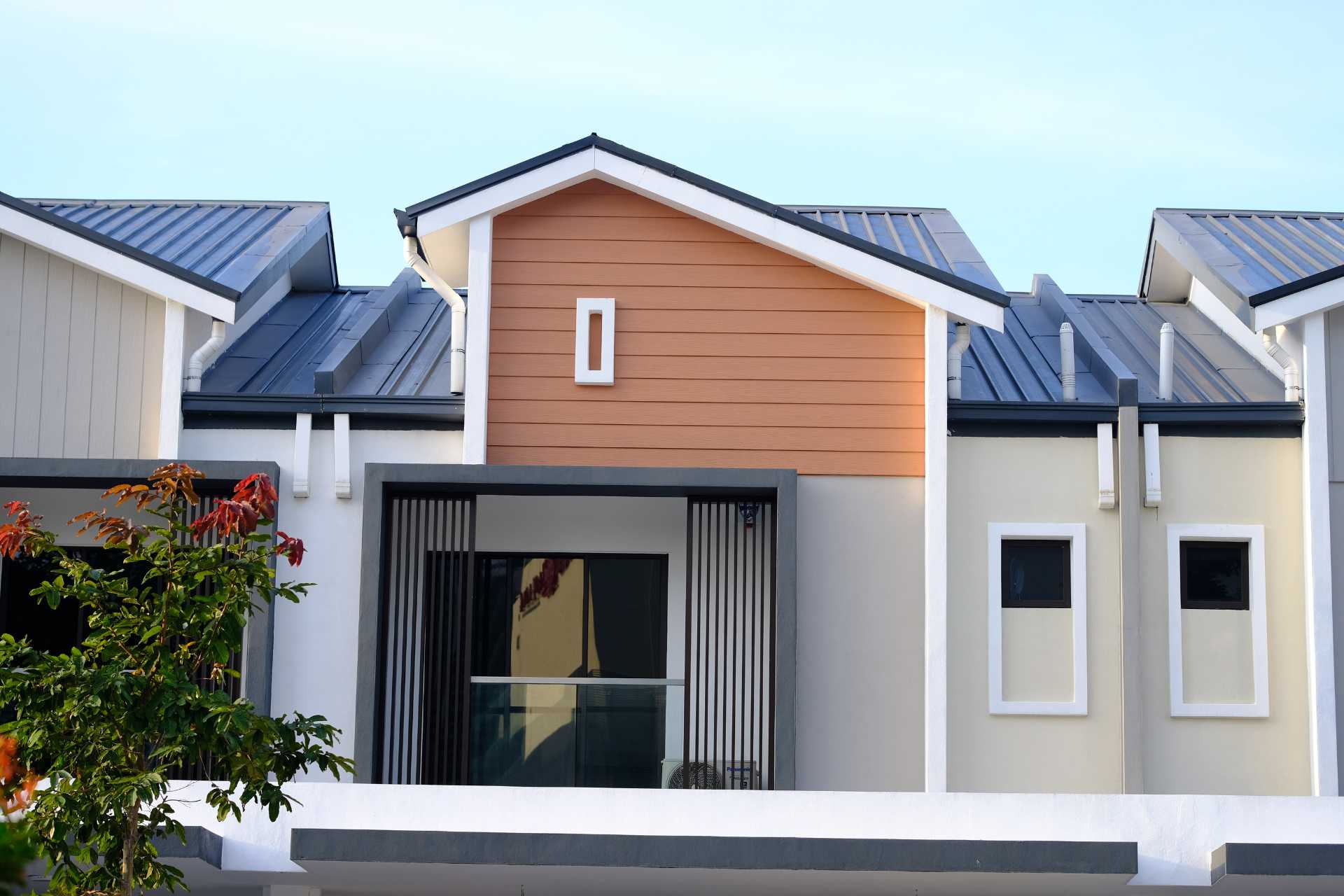
Built for the Elements: Why Fibre Cement Siding Outperforms in Harsh Climates
Upgrading a home’s exterior cladding is one of the most critical structural decisions a property owner can make. Facing severe freeze-thaw cycles, sub-zero winter winds, spring hail, and blazing summer sun, an exterior facade must serve as an unyielding defensive shield. Executing a strategic siding replacement is far more than an aesthetic facelift. It is a major architectural investment designed to safeguard internal wall framing, reduce ongoing maintenance demands, and improve overall home efficiency.
A resilient building envelope requires every defensive layer to work in total harmony against the elements. Just as homeowners pair high-performance wall cladding with heavy-duty metal roofing to create an impenetrable overhead barrier against heavy snow loads and ice dams, selecting the right wall material ensures total perimeter protection. Fibre cement siding has rapidly emerged as a premier engineering solution, bridging the gap between the authentic visual warmth of natural wood and the indestructible durability of concrete.
The Quick Edit
- The Core Science: Engineered from Portland cement, sand, water, and cellulose fibres, fibre cement creates a dense composite matrix immune to rot, pests, and cracking.
- The Climate Advantage: Possesses near-zero linear thermal expansion, preventing the buckling, gaps, and cold-weather brittleness common in synthetic claddings.
- The Safety Profile: Delivers a Class A non-combustible fire rating while holding factory-baked colour finishes for decades without peeling.
The Chemistry and Material Science of Fibre Cement
To understand why fibre cement siding withstands extreme atmospheric punishment, one must examine its core material formulation. Unlike thin synthetic plastics that rely on petroleum-based polymers or organic wood planks that absorb environmental moisture, fibre cement is an engineered mineral composite.
The manufacturing process combines four essential raw ingredients:
- Portland Cement: A hydraulic binder made of limestone, clay, and gypsum that hardens into a rigid, rock-like structural core.
- Silica Sand / Ground Sand: Serves as a durable filler material that enhances structural density and dimensional stability under load.
- Cellulose Fibres: Natural plant fibres acting as internal micro-reinforcements, providing flexural strength and tensile toughness so panels can absorb impact without snapping.
- Water and Curing Additives: Triggers the hydration process, forming a tight crystalline structure that locks all components together.
This mixture is pressed under immense hydraulic pressure into planks, panels, or shingles, then cured inside specialized pressurized steam ovens called autoclaves. The autoclave process accelerates chemical bonding, resulting in an exceptionally dense, non-porous cladding material that resists rot, moisture degradation, and pest intrusion.
Freeze-Thaw Resistance: Stopping Cold-Weather Cracking
Northern winters subject exterior building materials to relentless freeze-thaw cycles. When moisture penetrates a porous material like wood or basic masonry, that trapped water freezes and expands by roughly 9% in volume. This internal volumetric expansion creates massive hydraulic pressure, causing wood fibres to split, paint to pop, and standard masonry to spall.
Synthetic materials like standard vinyl face a different physics problem in sub-zero weather: thermal embrittlement. As ambient temperatures plunge below freezing, polymer chains lock up, making vinyl panels extremely brittle. A stray hockey puck, heavy hailstone, or falling tree branch during a winter storm can easily shatter cold vinyl, creating open holes in your building envelope.
Fibre cement solves both problems through superior dimensional engineering. Its autoclaved mineral matrix resists moisture absorption, preventing internal ice expansion that could cause surface cracks. Simultaneously, its cellulose-reinforced structure maintains high flexural impact strength regardless of how low the temperature drops, effortlessly deflecting heavy hail and winter debris.
Dimensional Stability: Eliminating Buckling and Shrinkage
One of the most persistent frustrations with synthetic siding is linear thermal movement. Materials expand when heated by direct sunlight and contract when chilled by winter winds. A standard 12-foot vinyl siding panel can expand or contract up to 1/2 inch across seasonal temperature swings. If installers fail to leave exact expansion gaps at trim intersections, expanding panels collide, buckle, and warp into unsightly waves.
Fibre cement exhibits near-zero linear thermal expansion. Because its core is essentially artificial stone, solar radiation and sub-zero cold snaps produce virtually no dimensional change across the length of a plank.
This exceptional dimensional stability means that joints remain tight, seams do not open up to invite wind-driven rain, and long wall runs stay crisp and flat throughout the year.
Non-Combustible Protection: Fire Resistance Engineering
As summer heatwaves grow longer and drier, residential fire safety has become a paramount concern for property owners in heavily wooded or suburban communities. Exterior walls are often the first point of ignition when airborne embers from wildland fires or neighbouring house fires land against a property.
Vinyl siding melts at relatively low temperatures (around 160° to 200°C / 320° to 400°F), quickly dropping away to expose underlying wood OSB sheathing and house wrap to direct flames. Natural wood siding acts as active fuel, accelerating flame spread across exterior elevations.
Fibre cement carries a Class A (Grade 1) fire rating—the highest fire-safety classification available for building materials. It is completely non-combustible. When exposed to direct flame or extreme radiant heat, fibre cement will not ignite, burn, melt, or contribute fuel to a fire. This fire-resistant barrier protects structural wall framing underneath, buying crucial time for emergency responders and often earning homeowners lower property insurance premiums.
Advanced Finishing Science: Factory-Baked Colour Retention
Maintaining traditional painted siding requires an exhausting cycle of scraping, priming, and repainting every few years. Paint fails on natural wood because the wood swells and shrinks with humidity, stretching the paint film until it cracks and peels.
Fibre cement eliminates paint failure at the molecular level. Because the underlying substrate is dimensionally stable and does not absorb moisture, applied finishes are not subjected to stretching or substrate movement.
Leading manufacturers utilize factory-applied, multi-coat baked finishing systems (such as James Hardie’s ColorPlus® Technology). During manufacturing, specialized finish coats are applied in a controlled environment and thermally cured between coats using infrared baking ovens. This process bakes the colour deep into the mineral fibres, creating an exceptionally strong bond that resists UV fading, chipping, and cracking up to three times longer than field-applied paint.
The Economic Equation: Evaluating Long-Term ROI
Investing in fibre cement requires a higher initial capital outlay compared to basic vinyl or entry-level aluminum. The material itself is heavier, requiring specialized diamond-tipped saw blades, pneumatic shears, and two-person installation crews to handle the high-density planks safely.
However, evaluating the real ROI of a siding replacement project demands looking beyond the initial installation quote to analyze the total lifecycle cost over a 30-to-50-year horizon:
- Reduced Maintenance Costs: Eliminates the need for repainting every 5 to 7 years, saving thousands of dollars in maintenance overhead.
- Energy Envelope Stability: Tight, stable joints prevent wind-driven air infiltration, reducing seasonal heating and cooling loads.
- Appraisal and Resale Lift: Remodelling industry metrics consistently rank fibre cement replacement among the top exterior home improvements for recouping cost at resale, outperforming most interior room remodels.
Installation Mechanics: Rainscreens and Flashing Protocols
Unlocking the full protective potential of fibre cement depends entirely on executing sound building science during installation. Even an indestructible material will fail if water is allowed to pool behind it.
Proper installation requires a comprehensive drainage approach to weatherproofing your siding assembly:
- Integrated Rainscreen Gap: Mounting 3/8-inch vertical furring strips over a high-performance weather-resistive barrier (WRB) creates a continuous air cavity behind the siding. This gap allows liquid water to drain freely by gravity while providing ventilation that rapidly dries residual moisture.
- Pre-Coated Field Cuts: Every field cut made on-site exposes the raw mineral core. Installers must seal all cut edges with manufacturer-approved acrylic touch-up sealant before mounting to prevent localized moisture absorption.
- Strict Clearance Rules: Maintaining a 6-inch clearance between the lower plank edge and ground soil—along with a 2-inch clearance above roof-to-wall intersections fitted with step flashing—prevents capillary wicking of standing water and winter snowpack.
The Ultimate Armour for Modern Homes
Fibre cement siding represents a peak intersection of material engineering, architectural elegance, and extreme climate defence. By combining the compressive strength of concrete with the flexural toughness of reinforced fibres, it proves that modern siding can transform your home’s looks while delivering a cladding system immune to rot, pests, freeze-thaw cracking, and fire. While it requires professional installation and an initial investment, its zero thermal movement, long-lasting colour retention, and 30-plus-year operational lifespan make it the ultimate protective armour for any home.
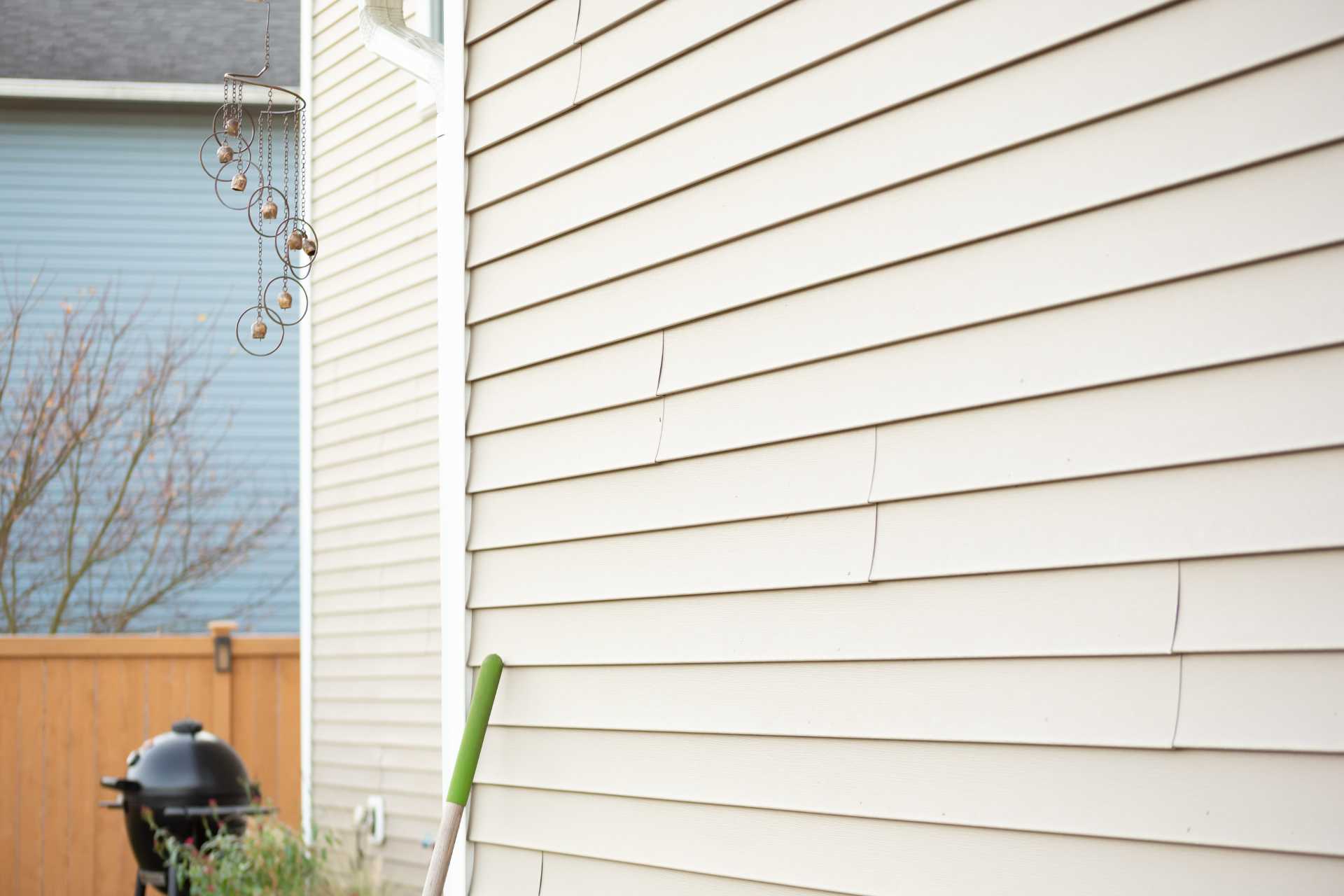
The Shape Shift: Causes, Effects, and Cures for Warped Home Siding
If you look closely at homes across Canada after a brutal weather cycle, you will often notice waves, bubbles, or deep curves running along their outer walls. Property owners frequently spend a lot of time and money on major foundational fixes like basement underpinning to keep their floors level, yet they completely overlook how solar heat warps their exterior walls. When outdoor temperatures spike or plummet dramatically, the materials protecting your home try to expand and contract. If your exterior panels do not have enough room to breathe, they push hard against each other until the entire wall line bends out of shape. Choosing a complete siding replacement is the most direct way to fix this issue, swapping out unstable components for engineered surfaces that remain flat and smooth year-round.
When wall panels lose their straight lines, it means a hidden physical struggle is happening underneath your exterior cladding. Many people assume that a buckled board is just an eyesore that can wait until next spring’s renovation list. The truth is that twisted exterior surfaces are structural warning signs that rain, snow, and wind are actively getting past your home’s main weather seal. When your outer panels warp and pop away from the wall joints, they expose your wood framework to moisture, wood rot, and drafts. Upgrading to advanced, heavy-duty building materials stops this structural movement completely, keeping your building envelope perfectly straight, sealed, and protected.
The Quick Edit
- The Thermal Lockdown Trap: Fastening exterior panels too tightly against the wall framing pins them in place, causing them to buckle and warp as they try to expand in the sun.
- Subsurface Moisture Shifting: Trapped moisture behind distorted panels causes structural sheathing to swell, pushing the outer siding panels forward into uneven, wavy lines.
- Engineered Stability Solutions: Upgrading to high-density materials like fibre-cement completely stops thermal movement, keeping your home’s exterior perfectly straight and flat.
Thermal Lockdowns: The Science Behind Panel Distortion
To understand why exterior walls bend and twist, you must look closely at how materials behave during intense temperature shifts. Low-grade vinyl and traditional plastics have exceptionally high thermal expansion rates, meaning they grow and shrink significantly when exposed to direct sunlight. On a scorching summer day, a standard twelve-foot siding panel can easily expand by up to half an inch in length. Because of this predictable movement, building materials must be allowed to slide freely back and forth along their mounting tracks to avoid structural distortion.
When installers drive fasteners too tightly into the wall framing, they pin the material in place and trigger a structural lockdown, which is among the most common siding problems found in Canadian residential neighbourhoods. Without room to stretch horizontally, the expanding panel has no choice but to bow outward, creating large, ugly ripples across your walls. Once a panel buckles, it stays permanently bent, ruining your home’s clean lines and creating wide gaps that let wind and rain blow straight behind your exterior shield.
Furthermore, incorrect fastener placement makes this thermal distortion significantly worse over time. Siding nails must always be driven straight into the center of the pre-punched horizontal slots, leaving a small space between the nail head and the panel surface. If an installer drives a nail crookedly or punches it directly through the solid plastic flange, they lock that specific section of the wall completely in place. As the sun continuously heats the home, these locked sections fight against each other, warping the surrounding seams and tearing the interlocking joints completely apart.
Subsurface Swelling: How Trapped Moisture Warps Wall Frames
Not all wall distortion is caused by simple thermal movement. A large percentage of wavy siding stems from structural shifting hidden deep inside your walls. When rain or humid air slips past cracked caulking or torn house wrap, it gets trapped inside your wall cavities with no clean way to escape. This trapped dampness soaks into your home’s plywood sheathing and structural framing studs, causing the natural wood fibres to swell and expand unevenly.
As the underlying wood framing warps from chronic water exposure, it directly pushes the outer finishing panels out of alignment, creating noticeable bulges and dips across your exterior walls. Executing a proper siding installation to prevent water damage requires installing an integrated drainage plane and open weep holes directly behind your cladding. This built-in drainage path allows trapped moisture to escape safely down and out before it can compromise your underlying structural framing or push your exterior panels out of line.
Left unmanaged, this subsurface swelling triggers a highly destructive cycle that compromises your entire building envelope. The bulging wood sheathing places immense pressure on your siding fasteners, frequently popping the nails clean out of their holes or snapping the interlocking joints. Once these joints break apart, even more water pours into your open wall cavities during heavy storms, accelerating structural rot and causing your interior drywall to crack, stain, and grow dangerous mould.
Critical Diagnostics: Recognizing Immediate System Failures
Property owners must learn to read the physical signs of exterior breakdown before small material failures turn into incredibly expensive structural reconstructions. When exterior panels begin to warp, they often make distinct popping or creaking sounds as the sun hits your walls, signalling that the material is under intense physical stress. Ignoring these early warning signs allows water and wind to steadily rot your house from the inside out.
Severe Structural Disconnection
When your exterior panels bow far enough to snap their horizontal locking tracks completely apart, your home faces immediate structural risk. These broken joints create wide, exposed openings that allow heavy rainwater and driving wind to blow directly onto your bare wood sheathing during seasonal storms. These open gaps are clear signs that your siding needs to be replaced immediately to protect your underlying wall cavities from rapid material rot and catastrophic structural failure.
Deep Material Softening
Peeling paint, bubbling finishes, and deep soft spots along your lower baseboards show that your exterior panels have completely broken down from long-term water saturation. When composite materials or natural woods remain damp for months at a time, they lose their structural strength and begin to sag under their own weight. This rot destroys your home’s thermal efficiency and creates an easy pathway for boring insects, requiring an immediate material replacement to secure your property value.
Advanced Solutions: Upgrading to Dimensionally Stable Cladding
Permanently solving wall distortion issues requires moving away from thin, flexible plastics that change shape whenever the weather shifts. You must invest in heavy-duty, modern cladding materials engineered to stay perfectly flat and straight under intense environmental stress. High-density fibre-cement and premium composite panels are excellent options because they feature exceptionally low thermal expansion rates, meaning they will not expand or buckle even when exposed to direct, blazing summer sunlight.
These advanced composite materials are manufactured from a heavy-duty blend of sand, cement, and synthetic resins, creating a highly rigid board that handles seasonal temperature swings with ease. Because these premium panels do not expand or shrink, installers can fasten them securely directly into your wall studs without worrying about leaving complex floating thermal joints. This direct installation method creates a perfectly flat, solid wall surface that completely resists wind damage and maintains its clean lines for decades.
Furthermore, a full siding replacement allows professional crews to completely strip away old, damaged materials and level your underlying wood framing before hanging your new boards. Installers use long straightedges to locate warped studs or uneven sheathing, adding thin wood shims to create a perfectly flat structural grid across your entire house. Wrapping this levelled frame in a premium weather barrier and a heavy-duty cladding material ensures your home stays dry, energy-efficient, and beautifully protected through every season.
Reclaiming Your Home’s Structural Alignment
Warped siding is a clear sign that your house is struggling against intense solar heat and trapped moisture. Leaving cheap, flexible panels on your exterior wall surfaces means you will be dealing with constant buckling, popping nails, and broken wall tracks every single summer. Upgrading to high-density, engineered composite boards fixes this physical limitation directly at the root. It gives your home a stable, beautifully flat exterior shell that refuses to shift, bow, or wave when the weather turns harsh.
Choosing durable materials like fibre-cement completely alters how your property ages, protecting your internal wood framing from rot while lowering your long-term maintenance costs. This complete material transformation seals your building envelope tightly against wind-driven rain and extreme humidity shifts. By reinforcing your walls with dimensionally stable boards, you stop hidden material failure before it spreads, securing your real estate investment and ensuring your home stays quiet, safe, and perfectly straight for decades to come.
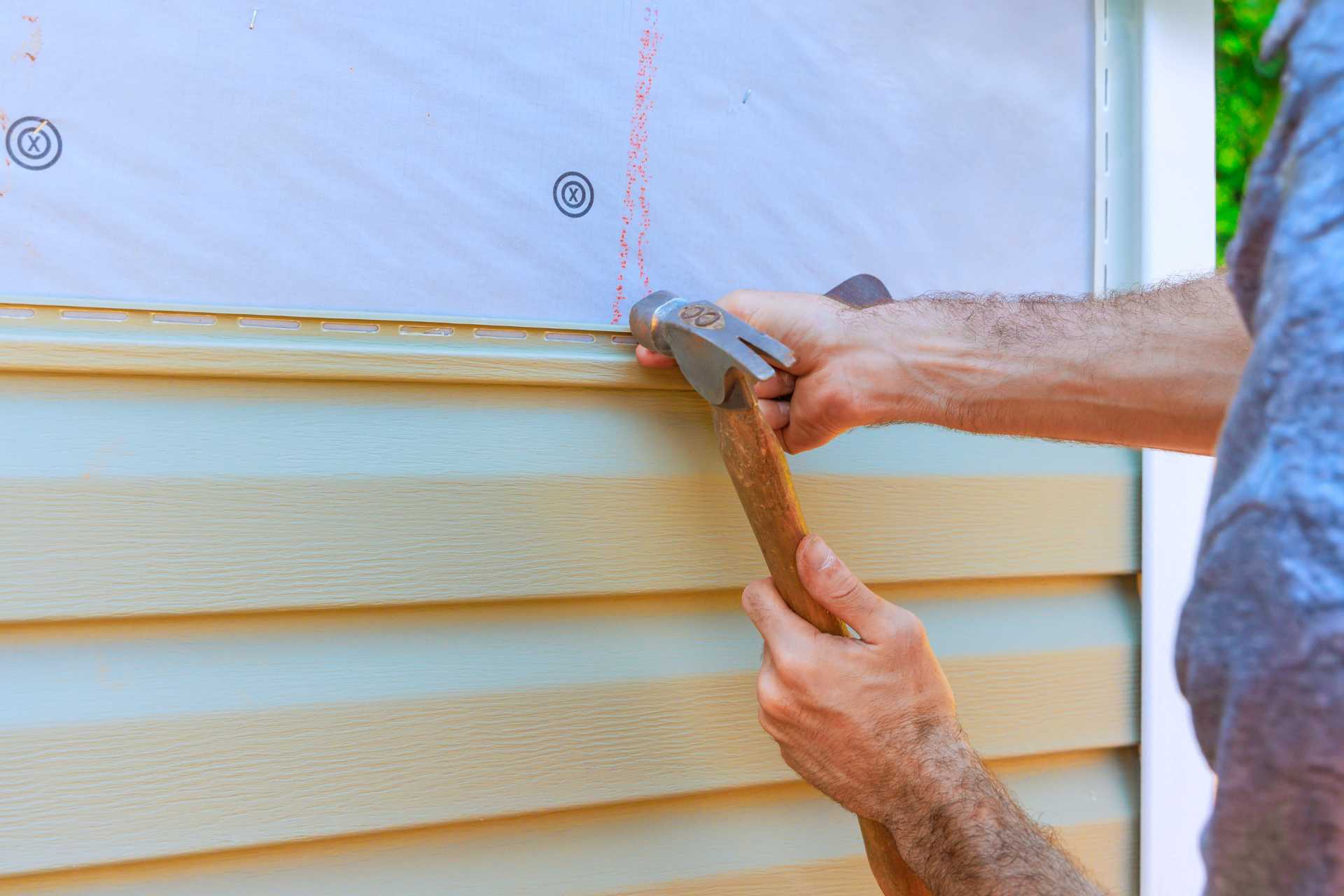
The Cost of a Bad Fit: The Hidden, Destructive Effects of Poor Siding Installation
When homeowners invest in new exterior cladding, they focus almost entirely on the transformation they can see. A fresh exterior completely revitalizes a property. It wipes away decades of environmental wear, masks old structural blemishes, and establishes an impressive visual aesthetic across the neighbourhood. Even an experienced real estate agent will tell you that a modern facade instantly skyrockets a home's market appeal. However, beautiful new panels can easily mask catastrophic installation errors underneath. Homeowners routinely assume that if the exterior finish looks clean, level, and straight, the job was executed correctly. This is the ultimate exterior illusion. Siding panels are not designed to be completely waterproof. They act as a primary water-shedding shield. True weather protection relies entirely on the hidden, meticulously crafted layers beneath the surface.
In Canada, our homes face some of the most punishing climate conditions on earth. We experience intense humidity, summer downpours, severe winter blizzards, and relentless freeze-thaw cycles. Because of these factors, poor workmanship will quickly expose your home to massive structural liabilities. Sub-par execution traps ambient water, destroys your insulation’s thermal performance, and breeds silent rot inside your walls. Whether you are building new or preparing for a complete siding replacement project, understanding the critical importance of hidden exterior layers is essential. Committing to a proper siding installation process is the only way to safeguard your property’s envelope and avoid financially devastating structural failures.
The Unseen Shield: The Critical Role of House Wrap and Sheathing
The absolute foundation of a home’s exterior weather defence is the weather-resistant barrier (WRB), commonly known as house wrap. This specialized synthetic material is installed directly over the raw plywood wall sheathing before any siding panels are attached. High-quality house wrap is engineered with a unique, one-way molecular structure. It is designed to let internal water vapour escape from inside the home so the walls can “breathe,” while completely blocking liquid water from driving inward into the wooden structure.
When sub-contractors rush through this critical phase, the consequences are severe. Common installation errors include cutting corners on material quality, failing to properly overlap the seams by at least six inches, tearing the material around corners, or completely omitting the wrap in hard-to-reach areas. When house wrap is installed improperly, it creates a highly destructive moisture trap. Wind-driven rain and melting ice will inevitably find a way behind your exterior panels. If the underlying house wrap is compromised, that water breaches the barrier and sits directly against your raw plywood sheathing. With no airflow to dry it out, the wood remains permanently saturated, triggering hidden wood rot and structural decay.
Flashing Failures: The Number One Source of Structural Leaks
Even the most expensive, premium siding material will fail if the wall intersections are not properly detailed with flashing. Flashing consists of thin, custom-bent strips of galvanized steel or heavy-duty aluminum. Installers place these pieces around windows, door frames, roofline intersections, and external corners. Their sole purpose is to gather water from intersecting planes and safely redirect it away from the building’s interior framing.
In sub-par installations, flashing is routinely treated as an afterthought. Installers frequently miss a critical component known as “kick-out flashing,” where a roofline terminates against a siding wall. Without this simple metal guide, thousands of gallons of roof runoff are directed straight behind the siding panels instead of out into the gutters. This creates a silent, invisible blind spot. Water drips continuously down the inside of your wall cavities, saturating your fibreglass insulation and rotting the structural 2x4 framing studs from the inside out. By the time a homeowner notices soft drywall or water stains on an interior living room ceiling, the underlying structural damage has already occurred.
The Expansion Trap: Why Tight Nailing Destroys Curb Appeal
Vinyl, aluminum, and composite siding materials are subject to the laws of thermal dynamics. In Canada, exterior materials experience extreme temperature swings, shifting from blistering 30°C summer afternoons to bitter -30°C winter nights. These rapid shifts cause siding panels to expand and contract dramatically. A single twelve-foot vinyl panel can change in length by up to half an inch over the course of a calendar year.
Because of this constant movement, siding cannot be nailed tightly to a house. A proper siding installation requires precision fastening tolerances. Installers must drive nails directly into the center of pre-punched horizontal slots, always leaving a small gap—roughly the thickness of a dime—between the nail head and the vinyl panel. This allows the siding to slide smoothly back and forth as temperatures shift.
When uncertified crews “hard-nail” the panels tightly against the wall, or mistakenly drive nails straight through the solid face of the material, they lock the system in place. When summer heat arrives, and the material attempts to expand, it has nowhere to go. The trapped kinetic energy forces the panels to buckle, warp, bow, and crack across your home’s exterior. This completely ruins your home’s curb appeal and creates wide structural gaps that allow driving rain to pour straight into your wall cavities.
The Ultimate Consequences: Mould, Rot, and Blown Budgets
The long-term effects of a rushed, subpar siding job extend far beyond cosmetic frustration. When moisture bypasses flawed flashing and gets trapped by torn house wrap, it creates a dark, damp, anaerobic environment. This is the exact ecosystem required for toxic mould spores to rapidly colonize your wall cavities. As mould spreads through your home’s structural framing, it releases airborne spores into your ventilation system, severely compromising indoor air quality and presenting serious health risks to your family.
Furthermore, chronic moisture damage completely destroys your home’s thermal efficiency. When fibreglass or cellulose insulation absorbs water, its delicate fibres compress, causing it to lose its insulation value entirely. Your home will struggle to retain heat during freezing winter blizzards, forcing your furnace to run continuous, high-power cycles that send your monthly heating bills skyrocketing.
Ultimately, accepting cheap, uncertified exterior workmanship always results in a devastating financial correction. Once severe rot settles into your structural sheathing and load-bearing studs, the repair process is incredibly invasive. Homeowners are forced to pay double: they must fund the complete removal of the new siding, pay for expensive structural carpentry to replace rotted framing members, mould remediate the interior, and purchase brand-new materials to start the entire installation over from scratch. If you notice your exterior walls buckling, soft spots around your windows, or a musty odour inside your home after a heavy rainstorm, you must take immediate action to replace your siding as soon as possible before minor moisture issues evolve into an unfixable structural failure.
From Cosmetic Shield to Structural Fortress: The Professional Standard
Protecting your home from the elements requires a clear understanding of construction. Exterior longevity is entirely dependent on meticulous, hidden craftsmanship. Beautiful siding panels are only as reliable as the materials underneath them. You must focus on the house wrap, flashing, and fastening tolerances.
By steering clear of rushed, low-bid contractors, you protect your investment. Committing to certified professionals ensures your property is shielded by a resilient, high-performance weather barrier. Investing in proper exterior engineering is a smart, long-term strategy. It keeps your home warm, dry, and structurally secure. Ultimately, this precision preserves your family’s comfort and your estate’s financial value for decades to come.

The Most Common Siding Problems Homeowners Face—and Why They Matter
Siding problems are often dismissed as cosmetic issues, especially when damage appears minor or limited to one area. In reality, siding is a critical part of the home’s protective system, and small failures can quickly lead homeowners to consider siding replacement sooner than expected. What looks like surface wear is often a sign that deeper performance issues are developing behind the exterior.
Homeowners sometimes assume issues can be resolved with routine maintenance such as power washing, but cleaning alone does not address cracks, gaps, or hidden deterioration. When siding begins to fail, moisture damage is dangerous for your siding, as it can spread into insulation, sheathing, and framing. Because siding protects the home from the elements, understanding these common problems early helps homeowners avoid structural damage—and ensures that when upgrades are needed, modern siding transforms the look of your home while restoring protection and performance.
Why Siding Problems Are More Serious Than They Look
Siding is often viewed as a finishing detail, but its true function is structural protection. It serves as a barrier that manages moisture, controls airflow, and shields the home from temperature extremes. When siding begins to fail, water and air are no longer redirected safely away from the structure, allowing damage to develop behind the exterior surface long before it becomes visible.
What makes siding problems especially serious is how quietly they progress. Small cracks or loose panels may not cause immediate leaks, but they create conditions where moisture can become trapped. Over time, this hidden exposure weakens materials, reduces insulation performance, and increases the risk of rot or mould. By the time damage is visible, repairs often extend beyond siding alone, affecting the overall health of the home.
Cracks, Gaps, and Loose Panels
Cracks, gaps, and loose siding panels are among the most common issues homeowners notice first. These problems often develop gradually as siding materials expand and contract with seasonal temperature changes. Fasteners can loosen over time, panels may shift slightly, and small fractures can form where materials are under repeated stress.
While these issues may seem minor, they create direct entry points for air and moisture. Even narrow gaps allow cold air to penetrate the wall assembly and warm air to escape, reducing energy efficiency. More importantly, water driven by wind or melting snow can slip behind the siding, setting the stage for deterioration that spreads beyond the visible surface.
Moisture Intrusion and Water Damage Behind Siding
Moisture intrusion is one of the most damaging siding problems homeowners face, largely because it is difficult to detect early. Water can enter through small openings around seams, fasteners, or improperly sealed transitions, then become trapped behind siding panels. Once inside the wall system, moisture has limited opportunities to escape, especially in colder climates where drying times are slow.
Over time, trapped moisture compromises insulation, weakens sheathing, and encourages mould growth. This is why moisture damage is dangerous for your siding—it does not remain confined to the exterior. Left unchecked, water intrusion can lead to structural decay that requires extensive repairs, far exceeding the cost of addressing the initial siding issue.
Warping, Buckling, and Material Distortion
Warping and buckling occur when siding materials are subjected to repeated expansion and contraction without adequate allowance for movement. Temperature fluctuations cause materials to grow and shrink, and when siding is tightly fastened or improperly installed, that movement has nowhere to go. Over time, panels begin to bow, ripple, or pull away from the wall.
These distortions are more than visual flaws. Warped siding no longer sits flush against the home, creating uneven surfaces where wind and moisture can penetrate more easily. As distortion worsens, it increases stress on surrounding panels and fasteners, accelerating wear across larger sections of the exterior.
Fading, Surface Breakdown, and UV Damage
Sun exposure gradually breaks down siding materials, even in climates where winter is the dominant concern. Ultraviolet radiation weakens surface finishes over time, causing colours to fade and protective coatings to deteriorate. As siding loses its outer layer of protection, materials become more brittle and less resistant to cracking.
This type of wear often progresses unnoticed because it develops slowly. While fading may appear cosmetic at first, surface breakdown reduces the siding’s ability to repel moisture and withstand temperature changes. Once UV damage advances, siding becomes more vulnerable to other problems such as cracking, warping, and accelerated aging.
Poor Installation and System-Level Failures
Poor installation is a root cause behind many siding problems that homeowners face. When siding is installed without proper spacing, fastening patterns, or moisture barriers, it cannot perform as intended. Even high-quality materials will fail prematurely if panels are over-fastened, flashing is missing, or drainage paths are blocked.
System-level failures occur when siding is treated as a standalone product instead of part of a larger exterior envelope. Siding must work in coordination with house wrap, flashing, and ventilation gaps to manage moisture and airflow effectively. When any part of this system is compromised, problems spread quickly beyond the siding itself, leading to hidden damage that repairs alone cannot resolve.
Energy Loss and Comfort Problems Caused by Siding Issues
When siding no longer performs properly, energy loss becomes one of the first noticeable consequences. Gaps, cracks, and warped panels allow cold air to infiltrate the home during winter and let conditioned air escape year-round. This forces heating and cooling systems to work harder to maintain stable indoor temperatures, increasing energy use without improving comfort.
Comfort issues often appear unevenly throughout the home. Rooms along exterior walls may feel colder, drafts become more noticeable, and temperature fluctuations increase. These symptoms are a clear reminder that siding protects the home from the elements, and when that protection is compromised, indoor comfort suffers alongside rising utility costs.
When Siding Problems Signal a Bigger Structural Issue
Siding problems become far more serious when damage extends beyond the exterior layer. Persistent moisture intrusion, recurring warping, or widespread panel failure often indicates that underlying materials such as sheathing or framing have been affected. At this stage, surface repairs may temporarily improve appearance but do little to address the real issue.
Structural warning signs can include soft spots beneath siding, recurring interior moisture, or visible deterioration around windows and doors. These indicators suggest the protective system has already failed in key areas. When siding issues reach this point, delaying action increases repair scope and cost, making early recognition essential.
How Professional Evaluation Helps Homeowners Decide
Determining whether siding issues can be repaired or require full replacement is not always straightforward. A professional evaluation looks beyond surface damage to assess moisture intrusion, insulation condition, and structural integrity behind the siding. This type of assessment helps identify whether problems are localized or part of a larger system failure.
Professional insight also prevents unnecessary work. Some homes may only need targeted repairs, while others are better served by replacement to restore full protection. An informed evaluation ensures decisions are based on actual conditions rather than assumptions, helping homeowners plan next steps with confidence and clarity.
Small Siding Problems Rarely Stay Small
Siding problems often start subtly, but they rarely remain isolated. Cracks, moisture intrusion, warping, and installation failures all weaken the exterior envelope over time. As protection erodes, comfort declines, energy costs rise, and structural risks increase. What begins as a minor exterior concern can quickly evolve into a much larger home issue.
Addressing siding problems early protects both the structure and the living environment inside. When repairs are no longer enough, upgrading ensures the home regains its protective barrier and visual appeal. In those cases, modern siding transforms the look of your home while restoring the performance homeowners rely on every day.


How Siding Acts as the First Line of Defence in Your Home’s Thermal Barrier
As colder temperatures settle in across the country this month, homeowners quickly notice how effectively their exterior walls resist heat loss, moisture, and wind-driven cold. The arrival of December brings a relentless test of the building envelope, making it the ideal time to evaluate the integrity of the home's protective skin. Many residents utilize the autumn months for power washing to clear away built-up grime and seasonal debris, which is a critical maintenance step that often reveals early signs of material fatigue like cracks, warping, or loose panels. These defects are more than just cosmetic. They represent a breach in the thermal barrier that shields the delicate layers of insulation and structural framing from the harsh Canadian climate. When the exterior layer fails, a siding replacement becomes a strategic investment in energy performance, ensuring the home remains a stable, cost-effective sanctuary throughout the winter.
Guarding the Insulation: Managing the Air Infiltration
Siding acts as a critical windbreak that preserves the effectiveness of the insulation stored within the wall cavities. In a typical Canadian winter, high-velocity winds can exert significant pressure on a building. If the exterior cladding is compromised, these winds can "wash" through porous insulation materials like fiberglass batts. This process, known as wind washing, strips away the trapped air that provides thermal resistance. By maintaining a tight, secure exterior layer, the siding ensures that the insulation remains static and performs at its intended R-value. This protection is essential for maintaining a consistent thermal barrier against the biting cold.
Beyond blocking direct gusts, the siding system limits convective heat loss by reducing air infiltration into the wall assembly. When air moves freely through gaps in the siding, it creates a bridge for heat to escape the home. A well-installed system prevents this exchange, keeping warm air where it belongs—inside the living space. This air-sealing quality is a primary reason why modern materials are so effective at enhancing energy efficiency inside and out. By stabilizing the air within the walls, the siding allows the furnace to work less while providing a higher level of comfort for the occupants.
The Moisture Manager: Protecting the Substrate
Water management is perhaps the most vital role siding plays in protecting a home's structural integrity. During the winter, walls face constant exposure to snowmelt, freezing rain, and ice. Siding is designed to shed this bulk water before it can reach the secondary water-resistive barrier or the wood sheathing. If moisture penetrates the exterior layer, it can saturate the insulation. Wet insulation loses nearly all its thermal resistance, essentially turning a thermal barrier into a conductor for the cold. By diverting water away from the wall's interior, siding preserves the dry environment necessary for thermal performance.
Furthermore, effective moisture management prevents the growth of mould and rot within the home's skeleton. When water gets trapped behind the cladding, it can lead to the slow decay of structural studs and plywood. This damage often goes unnoticed for years until significant structural failure occurs. High-quality siding materials and proper flashing techniques ensure that any moisture that does get behind the panels can drain out and evaporate. This "breathable" yet protective quality is a hallmark of a robust building envelope. It ensures that your siding protects your home from the elements while maintaining the health of the entire structure.
Withstanding the Freeze-Thaw Cycle
The Canadian climate is famous for rapid temperature fluctuations that put immense physical stress on building materials. During a freeze-thaw cycle, moisture that has entered small fissures can expand by nearly nine percent as it turns to ice. Siding must be durable enough to withstand this internal pressure and flexible enough to expand and contract without cracking. High-performance materials are engineered to move with the temperature, ensuring the thermal barrier remains intact even when the mercury swings thirty degrees in a single day. This resilience prevents the formation of "thermal bridges" where the cold can bypass the wall's protection.
Siding also acts as a buffer that limits thermal shock to the interior wall assembly. By absorbing the brunt of the temperature change, the exterior cladding allows the internal components to adjust more slowly. This reduces the mechanical stress on the home’s framing and drywall, preventing the cracks and shifts often seen in less resilient structures. A stable exterior temperature helps maintain the overall efficiency of the home's heating system. When the cladding performs its job, it minimizes the energy spikes often associated with the volatile weather of early winter and spring.
Identifying Thermal Weak Points: Gaps, Warps, and Fatigue
Homeowners should treat their siding as a visual diagnostic tool for the home's health. Signs of material fatigue, such as "oil canning" in vinyl or delamination in older composite products, indicate that the thermal barrier is no longer performing at its peak. Warped panels or gaps at the joints are not just cosmetic flaws; they are entry points for wind and water. When these breaches occur, the furnace must run longer to compensate for the lost heat, leading to a noticeable rise in monthly utility costs. Catching these signs of wear early can prevent a minor repair from becoming a full-scale renovation.
Physical degradation often signals that the materials have reached the end of their functional lifespan. Brittle siding that cracks upon impact or wood cladding that shows signs of soft rot cannot provide the necessary protection against a Canadian winter. If the exterior feels thin or moves excessively in the wind, it’s time for a siding replacement to restore the home's efficiency. Investing in modern, insulated siding products can further enhance the home's performance by adding a continuous layer of insulation that breaks the thermal bridge created by wall studs. This upgrade ensures a more uniform temperature across all exterior walls.
The Long-Term Structural Dividend
The value of a high-functioning siding system extends far beyond immediate comfort. By preventing moisture and air from reaching the home's framing, siding preserves the "bones" of the house. A dry, protected frame is less likely to suffer from the settling and shifting that leads to interior drywall cracks and sticking doors. This structural preservation ensures the home remains a safe and valuable asset for decades. While insulation and HVAC systems are important, they rely entirely on the siding to provide a stable environment in which to operate.
Modern siding options also offer improved resistance to fading, pests, and fire, providing a comprehensive shield for the household. Choosing materials that require less maintenance, such as high-grade vinyl or fibre cement, allows homeowners to spend less time on repairs and more time enjoying their homes. These materials are designed to stay beautiful and functional through decades of harsh weather. By viewing siding as a long-term structural dividend, it becomes clear that its role as a thermal barrier is a cornerstone of responsible homeownership. It is the first and most important line of defence in a multi-layered strategy for home protection.
Strengthening the Exterior Envelope
Siding is far more than a decorative choice; it is a hardworking, functional component of a home's energy efficiency and structural health. It serves as the primary shield against wind, water, and extreme temperature shifts, ensuring the interior remains a sanctuary. Regular inspections and timely maintenance ensure that this vital layer continues to perform its duty. By treating the siding as a professional bodyguard for the home, residents can enjoy lower energy bills, improved comfort, and the peace of mind that comes with a well-protected property.

The Real ROI of Siding Replacement: How Much Value Does It Add to Your Home?
When it comes to exterior upgrades that truly pay off, few investments make a bigger impact than siding replacement and roofing improvements. Both not only enhance curb appeal but also strengthen your home’s protection against Canada’s ever-changing weather. Siding replacement, in particular, offers one of the highest returns on investment among major renovations, improving insulation, reducing maintenance costs, and boosting property value. Whether you’re planning to sell soon or simply want to cut energy bills while maintaining long-term durability, understanding the real ROI behind quality siding is essential.
Why Homeowners Are Prioritizing Siding Replacement
There is a growing trend among homeowners to prioritize exterior renovations, and for good reason. The exterior is a home's first impression, but it is also its first line of defence. A high-performance exterior is crucial for protecting the home's structure, and modern siding materials are engineered to do just that. Unlike older materials that can become brittle, crack, or fade, new-generation products are designed to perform exceptionally well in the demanding Canadian climate.
This focus on quality exteriors is about more than just looks. In a country with harsh freeze-thaw cycles, high winds, and significant moisture, the function of siding is paramount. Modern fibre cement, engineered wood, and premium vinyl are designed to resist fading, warping, and moisture intrusion. Because your siding protects your home from the elements, this upgrade directly translates into a more comfortable, draft-free, and quieter indoor environment. This combination of enhanced performance and curb appeal is a powerful driver of resale value. When old siding begins to warp, crack, or show signs of moisture, it is a clear signal that it’s time for a siding replacement.
Understanding ROI — What the Numbers Say
Industry data, such as the annual Remodelling Cost vs. Value report, consistently shows that exterior replacement projects deliver the highest return on investment. Siding replacement is a top performer, with homeowners often recouping 70-80% or more of the cost upon resale. In real-world terms, a $25,000 siding project could add $17,500 to $20,000 directly to a home's value and asking price. This makes the ROI of siding replacement one of the safest and most lucrative investments a homeowner can make.
This high return is in sharp contrast to more subjective, high-end interior renovations, like a luxury kitchen remodel, which may only see a 50-60% return. The reason is simple: a high-performance exterior is a non-negotiable necessity for every buyer. A potential buyer may not like a specific countertop, but they will always value a new, low-maintenance, and weather-tight "skin" on the house. Home appraisers also see this value clearly. They assess a home's "effective age," and new siding and roofing can effectively reset the clock on the home's exterior, justifying a higher, more solid appraisal.
The Energy Efficiency Factor
A significant, yet often overlooked, benefit of siding replacement is the opportunity to improve a home's energy efficiency. Many older homes lack sufficient exterior insulation and suffer from "thermal bridging." This is a process where heat escapes directly through uninsulated wall studs, causing major energy loss. Modern insulated siding is the solution. This siding features a rigid foam backing, wrapping the home in a continuous "blanket" of insulation. This blanket stops the energy leak and dramatically improves the wall's total R-value, its resistance to heat flow.
A home's thermal envelope is a complete system. The roofing and attic insulation act as the "hat," while the siding acts as the "coat." A brand-new, well-insulated roof is a great start, but its benefits are limited if the home has a thin, uninsulated "coat" that is leaking heat from the walls. A siding replacement completes the envelope, ensuring the entire home is protected. This means the furnace runs less often and for shorter cycles, lowering monthly heating bills and reducing wear and tear on the HVAC system. This energy saving is a key, measurable component of the ROI of siding replacement. It starts paying the homeowner back from the very first month.
Maintenance and Long-Term Savings
The "hidden" return on investment is the money not spent on maintenance. Keeping old, high-maintenance siding is a significant financial drain. This is often called the "cost of inaction." Old wood siding, for example, requires repainting every 5 to 7 years. This is an expense that can run into thousands of dollars each time. It also requires annual caulking, sealing, and replacing individual boards. These boards may split, rot, or fall victim to insects. This cycle of costly, time-consuming upkeep is a burden that new siding eliminates.
Modern materials, by contrast, offer a "low-maintenance dividend." Premium vinyl siding only needs an occasional wash to look new and never requires painting. Fibre cement is incredibly durable. It is rot-proof, insect-proof, and can hold a factory-applied paint finish for 15 to 20 years. This far outlasts traditional wood. This "maintenance dividend" is a core part of the ROI of siding replacement. The money saved on painters and repairs over 15 years can add up to a substantial portion of the original installation cost.
Curb Appeal and Marketability
First impressions are everything in real estate. Curb appeal is the single most important factor in getting a potential buyer to stop, click on a listing, or book a showing. Faded, cracked, or dated siding makes a home look "tired" and "neglected," signalling to buyers that the property is a "fixer-upper" that will require immediate, expensive work. New siding, on the other hand, creates a powerful, immediate impression of a well-cared-for, "like-new" home. It is a visual promise of quality and stability.
This is where siding replacement and roofing work as a powerful team. A new roof on a home with 20-year-old, faded siding can look unfinished. Conversely, new siding paired with a stained, end-of-life roof looks like a "patch job." When a homeowner coordinates both—for example, a new architectural shingle roof in charcoal paired with modern, dark-blue siding—they create a stunning, cohesive, and high-value exterior. This modern look stands out, generates more buyer interest, and is a key driver for the high ROI of siding replacement. Furthermore, proper siding installation prevents water damage, a fact that savvy buyers and home inspectors value highly.
A Wrap That Pays You Back
A siding replacement is a rare "triple-win" renovation. It is one of the few projects that saves money now through lower energy bills, saves money later with near-zero maintenance costs, and makes money at resale through a high, verifiable return on investment and superior marketability. It is far more than a simple visual upgrade; it is a smart, measurable investment in a home's comfort, efficiency, and long-term value. The ROI of siding replacement is consistently one of the most reliable in the renovation industry.
To truly maximize a home's longevity and financial return, the exterior must be viewed as a complete system. It is wise to consult with professionals to get an assessment of both siding needs and roofing condition. A holistic upgrade, where all components work together, is the best way to protect the home's envelope and the investment for decades to come.
How Moisture Damage Starts — and Why It’s So Dangerous for Your Home
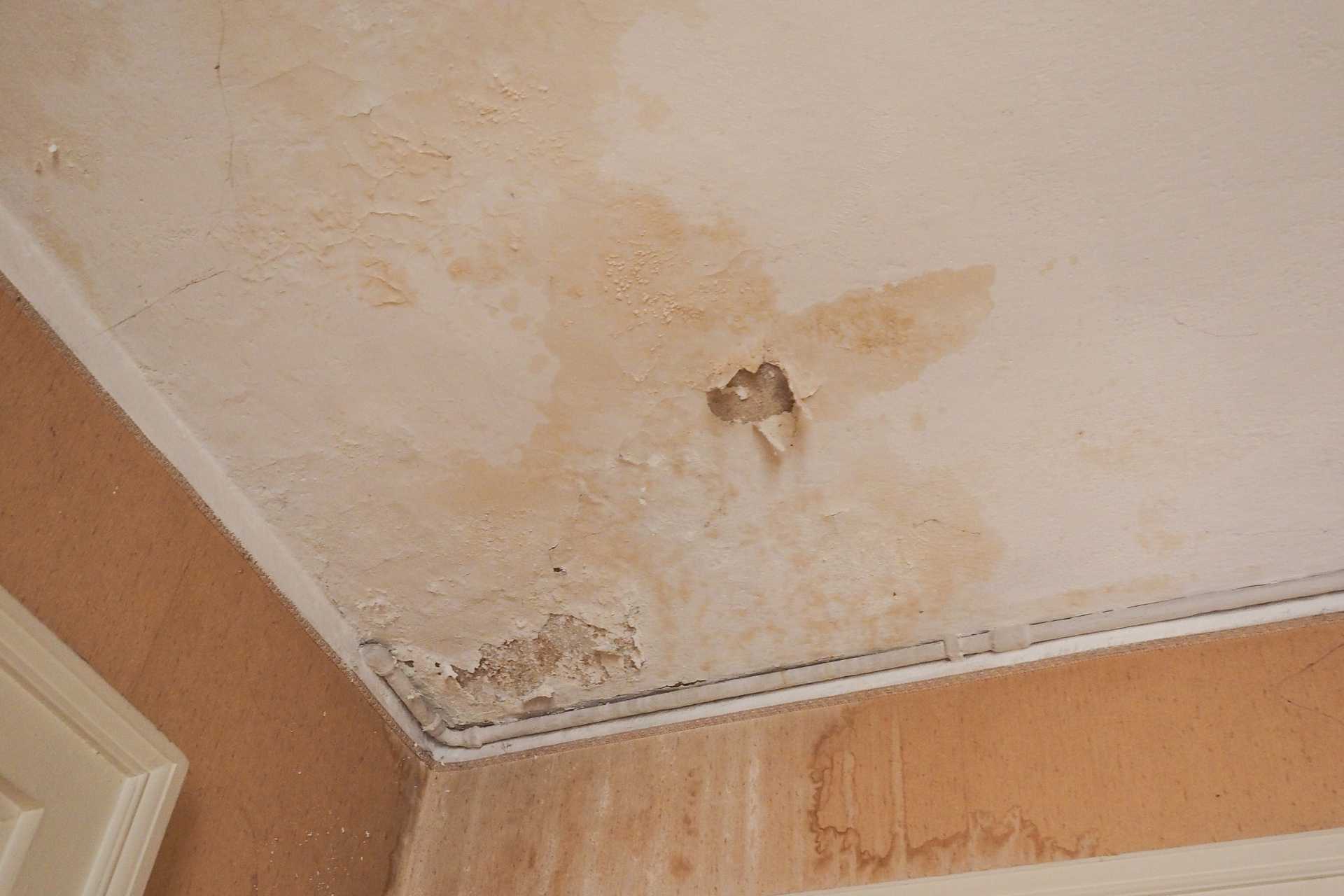
Homeowners often notice small exterior issues—a loose shingle, a tiny crack in the siding, or peeling paint around a window—but may delay addressing them. It is easy to underestimate the potential consequences, assuming these are minor cosmetic flaws. However, these seemingly insignificant openings can be invitations for water intrusion, leading to significant hidden moisture damage over time. As a trusted roofing company, we’ve seen firsthand how water exploits even the smallest weaknesses in a home’s exterior. Whether it is time for a siding replacement or a routine roof inspection, understanding how moisture damage begins is key to keeping a home dry, safe, and protected year-round. This guide will explain the common ways moisture infiltrates a home, how it spreads unseen, why this damage is so dangerous, and how proactive maintenance can stop it before it leads to costly repairs and structural compromise.
The Usual Suspects: Common Causes of Moisture Damage
Water intrusion often starts from the top down. The roof is the home's primary shield against precipitation, but several common issues can compromise its integrity. Damaged, cracked, or missing shingles create direct openings for rain to penetrate the roof deck. Improperly installed or deteriorated flashing—the metal pieces that seal joints around chimneys, vents, skylights, and in roof valleys—is another major culprit, allowing water to seep into these critical transition points. In winter, ice dams can form at the eaves, forcing melting snow up underneath the shingles. Furthermore, clogged gutters cause water to overflow, cascading down walls and potentially saturating soffits, fascia boards, and the roof edges.
Weak points in the walls are equally problematic. Cracked, warped, or loose siding panels provide direct entry points for wind-driven rain. Sometimes, the issue stems from the installation itself; gaps or improper overlaps in siding can allow water to get behind the protective layer. Caulking around windows, doors, and other wall penetrations (like vents or electrical fixtures) degrades over time due to weather exposure. Failed sealant allows moisture to seep into the wall cavity around these openings. Water is insidious; it can travel downwards and sideways from the initial entry point, often appearing as damage far from where it first got in, making diagnosis tricky.
The Silent Spread: How Moisture Moves Through Your Home
Once moisture gets behind the exterior cladding—whether it is siding or roofing materials—it often becomes trapped within the wall cavity or attic space. These enclosed areas typically have poor airflow, preventing the moisture from drying out quickly. This trapped water saturates insulation, drastically reducing its R-value and rendering it ineffective at controlling temperature. More alarmingly, the persistent dampness creates the perfect breeding ground for mould and mildew. These fungi thrive on organic materials like wood studs, sheathing, and the paper backing of drywall, beginning a process of decay hidden from view.
This hidden damage eventually progresses to visible symptoms. Saturated wood materials begin to rot, weakening the structural framing, roof decking, and exterior trim. As moisture builds up within the wall, it eventually pushes outward, causing interior paint to peel or bubble and wallpaper to loosen. Dark stains may appear on ceilings or walls as water finds its way down to interior surfaces. At this point, the problem is no longer hidden, but the damage is often extensive. Timely intervention, such as addressing the roof leak or considering a siding replacement if the existing cladding has failed, can halt this destructive progression. The reality is that siding protects your home from the elements, but only when it is intact and properly installed.
More Than a Stain: Why Moisture Damage is So Dangerous
The consequences of neglecting moisture issues extend far beyond cosmetic concerns. Prolonged exposure to water causes wood components—framing studs, floor joists, roof rafters, and sheathing—to rot and lose their structural strength. Over time, this decay can lead to sagging roofs, unstable walls, bouncy floors, and even contribute to foundation problems. These are not just aesthetic issues; they represent a serious compromise to the safety and stability of the entire home structure, requiring complex and expensive repairs. Ignoring water intrusion is effectively allowing the home's skeleton to slowly disintegrate.
Beyond the structural threats, moisture damage poses significant health risks and financial hits. Mould spores released into the air from damp areas can trigger allergies, asthma attacks, and other respiratory problems, particularly in children and individuals with pre-existing conditions. Financially, visible water damage, persistent musty smells, or known structural issues caused by moisture are major deterrents for potential homebuyers. These problems significantly lower a property's market value and can make it difficult to sell. Moisture is a silent but incredibly destructive force; damage often occurs out of sight, meaning repairs can be extensive and very costly by the time the problem becomes obvious.
Building a Defence: Preventing Moisture Damage Before It Starts
Proactive maintenance is the most effective strategy for preventing moisture damage. Homeowners should conduct routine visual inspections of their home's exterior at least twice a year, typically in the spring and fall, and always after major storm events. From the ground, look for any missing, cracked, or curling shingles on the roof. Check the condition of flashing around chimneys and vents. Ensure gutters and downspouts are clear of leaves and debris to allow for proper water flow away from the foundation. Periodically walk around the home, looking closely at the siding for cracked panels, loose pieces, or failing caulk around windows, doors, and trim. Addressing minor repairs promptly is key.
While homeowner inspections are helpful, scheduling professional assessments provides a deeper level of protection. A professional roofing company can safely get onto the roof for a thorough inspection, identifying subtle issues like deteriorating seals around vents or hail damage that may not be visible from the ground. Similarly, if siding is showing signs of age or widespread issues, consulting professionals about repairs or a potential siding replacement is a wise investment. Remember, exterior components work as a system; if one part of your exterior fails, the other parts are put under greater stress. Ensuring proper siding installation is important to prevent water damage, as it serves as a critical protective barrier for your home.
Don't Let a Drip Turn into a Deluge
Moisture damage often starts small—a tiny crack, a loose shingle, a clogged gutter. However, if left unaddressed, these minor issues can allow water to infiltrate a home's structure, leading to devastating structural decay, potential health hazards, and significant financial consequences. Proactive maintenance, including regular inspections and prompt repairs, is the most effective defence. Addressing minor exterior issues before they allow water entry protects the home's integrity from top to bottom. Your home is likely your biggest investment—do not let hidden moisture undermine its value and safety.
Energy Efficiency Inside and Out: How Siding and Window Coverings Reduce Energy Bills
In the quest for a more comfortable and affordable home, many homeowners focus on major mechanical upgrades like a new furnace or air conditioner. While these are important, the most effective strategy for reducing energy bills often starts with the home's protective envelope. Your home’s first and most critical defence against the elements is not in the basement, but on its exterior and interior surfaces. A high-performance siding system, A high-performance siding system, often achieved through a full siding replacement, acts as an external shield, while quality window coverings provide an essential layer of insulation from the inside. This guide will explore how this powerful “inside and out” combination works in synergy to reduce energy loss, lower heating and cooling costs, and create a more comfortable living environment year-round.
The Outer Shield: How Quality Siding Protects Your Home
A home's siding is its primary line of defence against our demanding four-season climate. It is engineered to be a weatherproof barrier, shielding the vulnerable wooden structure of your walls from wind, rain, snow, and ice. During cold winters, siding acts as a crucial windbreaker, preventing cold air from penetrating the wall cavity and chilling your home from the outside in. In the summer, lighter-coloured siding can help reflect the sun's intense heat, reducing the thermal load on your home and easing the burden on your air conditioner. This protective function is the first step in creating an energy-efficient home envelope.
Modern siding systems can take this protection a step further. Many homeowners now opt for insulated siding, which features a layer of rigid foam insulation fused to the back of each panel. This creates a continuous thermal blanket around the home, reducing a phenomenon known as "thermal bridging," where heat escapes through the wooden studs in the walls. By wrapping the home in this insulated shield, you significantly reduce heat loss in the winter and heat gain in the summer. When you weatherproof your siding, you are not just protecting it from moisture. You are reinforcing its ability to contribute to your home's overall energy efficiency.
The Inner Barrier: The Unsung Power of Window Coverings
Windows are typically the most significant source of energy loss in a home. Even modern double- or triple-pane windows have a much lower insulation value (R-value) than an insulated wall. This is where high-quality window coverings become an essential part of your energy-saving strategy. They work by creating a pocket of trapped air between the covering and the window glass. This trapped air acts as an additional layer of insulation, dramatically slowing the transfer of heat. In the winter, this helps to keep warm air in, and in the summer, it keeps hot air out.
The most effective options are specifically designed for thermal performance. Cellular shades, with their honeycomb-shaped pockets, are excellent at trapping air. Thermal curtains, which have a thick, insulated backing, provide a robust barrier against both heat loss and solar gain. Even simple, well-fitted blinds or shutters can make a noticeable difference. These are simple home upgrades that help lower your energy bills without the cost of a major renovation. By dressing your windows for the season, you are actively managing one of the biggest sources of energy waste in your home.
The Power of Synergy: How the Two Work Together
The true magic of an energy-efficient home happens when the outer shield and the inner barrier work in concert. A high-performance siding system reduces the overall thermal load on your home's walls. This means that in the winter, the walls themselves do not get as cold, and in the summer, they do not get as hot. This creates a more stable baseline temperature throughout your home. The window coverings then come in to manage the weakest points in this envelope—the windows themselves—providing targeted insulation right where it is needed most.
This synergistic effect allows for greater design freedom. Many homeowners love the bright, airy feel of large windows but worry about the associated energy penalty. However, when you combine a well-insulated wall system with modern, high-performance windows and effective window coverings, larger windows do not always mean higher energy costs. The multiple layers of protection work together to mitigate heat loss and solar gain, allowing you to enjoy abundant natural light without sacrificing efficiency or comfort. This integrated approach is the key to creating a home that is both beautiful and high-performing.
Practical Tips for Maximum Performance
To get the most out of these upgrades, a few practical steps are key. When choosing siding, consider materials known for their durability and low maintenance in our climate, such as high-quality vinyl, fibre cement, or engineered wood. Opting for an insulated version of these products is a smart long-term investment that provides an immediate return in energy savings. It is also crucial to maintain your siding by performing a gentle annual cleaning to remove dirt and mildew and by checking the caulking around trim and openings to ensure a continuous, airtight seal.
For window coverings, the fit is just as important as the material. To be effective, the covering should fit snugly within the window frame to minimize air gaps around the edges. During the winter, keep the coverings on south-facing windows open during the day to allow for passive solar heating, then close them at night to trap the warmth in. In the summer, do the opposite: keep the coverings closed during the hottest parts of the day to block solar heat gain. This simple, daily routine can have a significant impact on your home's comfort and your monthly utility bills.
An Investment in Comfort and Savings
Creating a truly energy-efficient home requires a holistic, "inside and out" approach. Your siding acts as the robust, external shield that provides the first line of defence against the elements, reducing the overall thermal load on your home. Your window coverings then act as the targeted, interior barrier, managing the inherent weak points of your windows to provide an essential extra layer of insulation. When these two components work together, they create a powerful synergy that reduces the strain on your HVAC system, lowers your energy bills, and makes your home a more comfortable place to live in every season. This strategy proves that the smartest upgrades are the ones that deliver both immediate comfort and lasting financial savings.

Boosting Buyer Interest With Modern Siding Styles and Colours
In real estate, the first impression is often the only impression that matters. Before a buyer steps inside, before they see the updated kitchen or the spacious backyard, they have already formed an opinion based on the home's exterior. A home's siding is its "skin"—the largest and most defining feature of its curb appeal. It is the primary element that communicates a home's style, age, and level of maintenance. A strategic siding replacement is one of the most powerful ways to transform a dated property. A professional real estate agent will confirm that in a competitive market, a modern, well-maintained exterior can dramatically boost buyer interest, increase property value, and make a home the standout star on the block.
Material Marvels: The Foundation of a Modern Look
The siding market has evolved far beyond basic vinyl. Today's Canadian homebuyers are savvy. They look for materials that signal quality, durability, and a modern aesthetic. The siding must also withstand our demanding climate. Fibre cement is now considered a gold standard for many modern homes. It offers incredible durability. It resists rot, pests, and fire, and holds paint exceptionally well. Its versatility is a major asset. It can be manufactured with a smooth finish for a minimalist look or with a realistic wood grain for a more traditional feel. This provides options for any architectural style. Its stability during Canada's freeze-thaw cycles makes it a particularly wise long-term investment.
Engineered wood is another excellent choice. It offers the warm, classic look of wood but with enhanced stability and resistance to moisture and termites. This makes it a lower-maintenance option that appeals to buyers. They get the beauty of wood without the intensive upkeep required by traditional cedar or pine. Even modern vinyl has come a long way. New formulations offer richer, darker colours and advanced UV resistance. This prevents the fading that plagued older products. For a bold, architectural touch, metal siding can be used as an accent. Its clean lines and industrial-chic appeal add a high-end, custom feel to any project. It is especially effective when used to highlight a specific feature like an entryway or a modern addition.
h-end, custom feel to any project, especially when used to highlight a specific feature like an entryway or a modern addition.
The Colour Revolution: Moving Beyond Beige and Boring
Colour is the most effective tool for setting a mood and modernizing a facade. Today's design trends are moving away from the muted, "safe" beiges and pale yellows of the past and toward more intentional and sophisticated palettes that create an emotional connection. Dark, moody hues are a powerful trend. Shades like charcoal, black, deep navy, and forest green create a sense of luxury, sophistication, and modern elegance. These colours make a home look grounded and custom, especially when paired with natural wood or stone accents. They absorb light, giving the home a substantial and commanding presence.
The modern farmhouse look, with its crisp white siding and bold black windows and trim, remains incredibly popular for its clean, timeless, and high-contrast appeal. There is also a strong movement towards sophisticated, earthy tones. Deep olive greens, warm greys, and rich terracottas help a home feel connected to its natural landscape—a very desirable trait for many buyers, especially in rural or suburban settings. The key is selecting shades that reflect the psychology of siding colours and influence buyer perception, moving from a generic look to one that feels curated and high-end. A thoughtful colour choice communicates a level of design savvy that buyers notice and appreciate.
Texture and Orientation: Adding Depth and Architectural Interest
One of the simplest ways to make an older home look instantly modern is to change the siding's orientation. Replacing traditional horizontal lap siding with vertical board-and-batten siding, either on the entire house or as an accent on gables, adds a sense of height and creates a distinctly modern farmhouse or contemporary feel. This change in direction breaks up the monotony of a flat facade and adds architectural interest. Staying on top of the latest siding replacement trends, like the move to vertical applications, can give a property a significant competitive edge by aligning it with current architectural styles that buyers are actively seeking.
A key trend that signals a high-end, custom design to buyers is the mixing of materials and textures. This strategy can be used to highlight architectural features and prevent a home from looking "cookie-cutter." For example, one might use smooth fibre cement panels as the primary siding, with warm, natural wood accents around the entryway to create a welcoming focal point. Another popular combination is using traditional horizontal lap siding on the main body of the house with a bold, vertical board-and-batten accent on a prominent gable. This dynamic, visually interesting approach shows that fresh siding styles are among the best ways to bring charm to your home’s exterior, creating a bespoke feel that resonates with buyers looking for something unique.
The Performance Payoff: The Smart Investment Behind the Style
A new, high-quality siding system is a major value-add for a buyer, signalling a future with fewer maintenance headaches and less worry about the home's ability to withstand the harsh Canadian climate. Modern materials like fibre cement and engineered wood are designed to resist the impacts of our freeze-thaw cycles, moisture, and pests. This investment in durability is a direct investment in peace of mind for the next owner, a factor that heavily influences their willingness to pay a premium price for the property. A buyer sees a new siding job not as a cosmetic touch-up, but as a major capital expense they will not have to face for decades.
A siding replacement is also the perfect opportunity to upgrade a home's exterior insulation. Installing a layer of rigid foam insulation underneath the new siding creates a "continuous insulation" system. This dramatically reduces thermal bridging—heat loss through the wall studs—and air leakage. This makes the home more comfortable year-round and can significantly lower heating and cooling costs. For energy-conscious buyers facing high utility bills, a home that is not just beautiful but also high-performing is incredibly attractive. This performance upgrade can be a key differentiator in the market, making the home more appealing than older, less efficient properties.
Dress Your Home for Success: The Ultimate Guide to Modern Siding
A siding replacement is one of the most impactful renovations a homeowner can undertake. It offers a trifecta of benefits. These include a stunning aesthetic transformation, superior performance against the elements, and a significant increase in property value. A new siding installation allows homeowners to make a strong, immediate style statement. This will capture the attention of today's discerning buyers. It is also a smart, long-term investment in a home's efficiency and resilience. By exploring modern materials, bold colour palettes, and creative applications, homeowners can unlock their property's true potential. This prepares the home for a successful and profitable future.