

Perfect Fit: The Role of Caulking in Window Installation
When you think about window replacement, your mind probably goes straight to selecting the perfect style, material, or even the energy efficiency of the glass. But have you ever considered the crucial role caulking plays in the process? It might seem like a minor detail, but caulking is essential for ensuring that your windows function as they should and stand the test of time. In this blog post, we'll explore the role of caulking in window installation, how it enhances your home's comfort and efficiency, and why it's worth paying attention to this often-overlooked detail.
What is Caulking?
Caulking is a material used to seal joints or seams in various structures and piping. In the context of window installation, caulking is used to fill gaps between the window frame and the wall. This sealant is vital because it prevents air, water, and even pests from entering your home through these tiny spaces. The most common types of caulking materials include silicone, acrylic latex, and polyurethane, each with specific properties that make them suitable for different applications.
Silicone caulking, for example, is known for its flexibility and durability, making it ideal for exterior use where the seal needs to withstand temperature fluctuations and moisture. Acrylic latex caulking is easier to apply and paint over, which is perfect for interior applications where movement is minimal. Polyurethane caulking is another strong, weather-resistant option that works well for both interior and exterior use. The choice of caulk depends on the specific needs of your window installation, but the goal is always the same: to create a durable, airtight seal that keeps your home protected.
The Importance of Caulking in Window Installation
Caulking might not be the first thing that comes to mind when you think about window installation, but it's one of the most important steps in the process. Here's why:
Sealing Gaps
One of the primary functions of caulking is to seal any gaps between the window frame and the wall. Even the most precisely measured and installed windows will have small gaps around the edges. Without caulking, these gaps could allow air and water to infiltrate your home, leading to drafts, water damage, and even mould growth.
Energy Efficiency
Proper caulking is a key factor in enhancing your home's energy efficiency. By sealing gaps around the windows, caulking helps prevent drafts and minimizes heat loss during the winter and heat gain during the summer. This not only makes your home more comfortable but also reduces your energy bills. Effective caulking can make a significant difference in your home's overall insulation, contributing to long-term savings.
Weather Protection
Windows are constantly exposed to the elements, and caulking serves as the first line of defence against rain, wind, and extreme temperatures. By preventing water from seeping into your walls, caulking helps protect your home from potential water damage and the costly repairs that come with it. It also prevents cold air from entering during the winter, keeping your home warm and cozy.
Soundproofing
Another benefit of caulking is its ability to reduce noise infiltration. By sealing the gaps around your windows, caulking can help block out unwanted noise from outside, making your home a quieter and more peaceful place to live. This is especially important if you live in a busy neighbourhood or near a noisy road.
Types of Caulking for Window Installation
Choosing the right type of caulking for your windows is crucial for ensuring a long-lasting and effective seal. Here are the most common types used in window installation:
Silicone Caulking
Silicone is known for its flexibility and long-lasting durability. It’s highly resistant to weathering, making it an excellent choice for exterior applications where the caulk needs to withstand temperature fluctuations and moisture. However, silicone caulking is not paintable, which can be a drawback for some interior uses.
Acrylic Latex Caulking
Acrylic latex caulking is easy to apply and is paintable, which makes it a great option for interior applications where you might want to match the caulking to the colour of your walls or trim. It’s less flexible than silicone, so it’s better suited to areas where there’s minimal movement.
Polyurethane Caulking
Polyurethane caulking offers a strong bond and is highly elastic, making it suitable for both interior and exterior applications. It’s weather-resistant and can handle slight movement between materials, but it’s also harder to apply and clean up compared to other types of caulking.
When choosing a caulk, it’s important to consider the specific conditions of your window installation. For example, exterior windows exposed to the elements will benefit from silicone or polyurethane caulking, while interior windows might do better with acrylic latex.
The Role of Professional Installation
While it might be tempting to tackle caulking as a DIY project, there are good reasons to leave it to the professionals, especially during window installation:
Why Professional Caulking Matters
Proper caulking requires skill and experience to ensure a consistent and effective seal. A professional installer knows how to apply the caulk evenly and smoothly, creating a seal that will last for years. Poorly applied caulk can crack, peel, or allow air and water to seep through, undermining the performance of your new windows.
Common Mistakes
DIY caulking often leads to mistakes like using the wrong type of caulk, applying it incorrectly, or missing spots altogether. These errors can compromise the effectiveness of the window installation, leading to drafts, leaks, and higher energy bills. Professionals have the tools and knowledge to avoid these pitfalls and ensure a perfect fit.
Expert Tips
Even if you’re not doing the caulking yourself, it’s good to know what to look for. A well-done caulking job should be smooth, with no gaps or bubbles, and it should completely cover the seam between the window frame and the wall. If you notice any issues with your caulking, such as cracks or peeling, it might be time to have a professional touch it up.
Long-Term Benefits of Proper Caulking
Investing in proper caulking during window installation offers several long-term benefits that go beyond immediate comfort and energy savings:
Increased Longevity of Windows
Caulking protects your windows from the elements, reducing the risk of moisture damage and extending their lifespan. By preventing water from seeping into your walls and window frames, caulking helps avoid issues like rot, mould, and structural damage that could necessitate costly repairs or even window replacement.
Enhanced Home Comfort
Proper caulking contributes to a more comfortable living environment by maintaining consistent indoor temperatures and reducing noise. By eliminating drafts, it ensures that your home stays warm in the winter and cool in the summer, making it more enjoyable year-round.
Cost Savings
Effective caulking can lead to significant cost savings over time. By reducing energy loss, you’ll see lower heating and cooling bills, and the increased lifespan of your windows means fewer repairs and replacements. Additionally, by protecting your home from moisture damage, caulking helps prevent costly repairs to your walls, floors, and insulation.
Signs of Caulking Issues and When to Re-Caulk
Caulking doesn’t last forever, and it’s important to regularly inspect it to ensure it’s still doing its job. Here’s what to look for:
Visual Inspection
Over time, caulking can crack, peel, or shrink, leaving gaps that allow air and water to seep through. Regularly inspect the caulking around your windows, looking for any visible signs of wear. If you notice cracks, gaps, or areas where the caulking has pulled away from the surface, it’s time to take action.
When to Re-Caulk
If your caulking shows signs of wear, it’s important to re-caulk as soon as possible. Ignoring damaged caulking can lead to drafts, higher energy bills, and even water damage. Re-caulking is a relatively simple and inexpensive way to maintain the integrity of your windows and protect your home.
DIY or Professional Help
While re-caulking can be a DIY project, it’s often worth hiring a professional, especially if the damage is extensive or if you’re unsure about the type of caulk to use. A professional can ensure that the job is done correctly, providing a durable seal that will last for years.
The Unsung Hero of Window Installation
Caulking might seem like a small detail in the grand scheme of window installation, but it plays a crucial role in ensuring that your windows perform as they should. From sealing gaps and improving energy efficiency to protecting against the elements and reducing noise, proper caulking is essential for a comfortable, efficient, and long-lasting window installation. By paying attention to this often-overlooked aspect of window replacement, you can enhance the longevity of your windows, reduce your energy bills, and enjoy a more comfortable home.


How Siding Protects Your Home from the Elements
Imagine this: a fierce storm is rolling in, with high winds, heavy rain, and the occasional strike of hail. Inside your home, you’re safe and comfortable, shielded from the harsh weather outside. While your roof certainly plays a crucial role in keeping you dry, have you ever thought about the importance of your home’s siding? siding protects your home from the elements, doing more than just giving your house a finished look—it’s your home’s first line of defence against the elements. If you’ve been considering siding replacement, understanding how siding protects your home can help you make an informed decision.
What is Siding and Why It Matters
Siding is the protective material attached to the exterior of your home’s walls. It’s designed to shield your home from the elements, including wind, rain, snow, and the sun’s harsh rays. Siding comes in various materials, such as vinyl, wood, fibre cement, and metal, each offering different levels of protection and aesthetic appeal.
At its core, siding serves as a protective barrier for your home’s exterior. It prevents moisture from penetrating the walls, which could lead to structural damage, mould growth, and other issues. Moreover, siding helps insulate your home, keeping it warm in the winter and cool in the summer. It’s not just about making your house look good—siding is essential for maintaining your home’s integrity and efficiency.
Water Resistance and Prevention of Moisture Damage
One of the most critical functions of siding is to keep water out. Water can be incredibly damaging to your home if it seeps into the walls. Over time, this moisture can lead to rot, mould, and mildew, all of which can cause serious health problems and structural damage. Properly installed and sealed siding acts as a barrier, preventing water from getting inside and causing these issues.
Good siding doesn’t just keep water out during a rainstorm; it also helps prevent the buildup of moisture inside your walls. Moisture trapped inside your home can create the perfect environment for mould and mildew, which can be difficult and expensive to remove. By keeping moisture out, siding helps protect your home’s interior and keeps your living environment healthy.
Additionally, siding replacement can address any existing issues with water damage. If your current siding is old or damaged, it may not be providing the level of protection your home needs. Upgrading to new siding can ensure that your home stays dry and safe, even during the worst weather conditions.
Wind and Impact Resistance
Weather can be unpredictable, and high winds are not uncommon, especially in Canada. Durable siding is designed to withstand these strong winds, protecting your home from potential damage. During a storm, debris can be picked up and thrown against your home, and high-quality siding can help prevent these impacts from causing serious harm.
Siding also plays a crucial role in protecting your home’s vulnerable areas, like windows and doors, from wind damage. In high-wind situations, poorly secured or damaged siding can lead to larger issues, such as water infiltration or even structural damage. Investing in strong, impact-resistant siding means your home is better prepared to face the elements.
In regions prone to severe weather, such as hailstorms, certain types of siding, like fibre cement or engineered wood, offer better protection against impacts. These materials are designed to resist dents, cracks, and other damage caused by hail or flying debris. By choosing impact-resistant siding, you’re not just protecting the exterior of your home—you’re also safeguarding the structure and value of your property.
Thermal Insulation and Energy Efficiency
Siding does more than just protect your home from the elements—it also plays a vital role in its energy efficiency. Insulated siding, in particular, adds an extra layer of thermal protection, helping to keep your home warm in the winter and cool in the summer. This means your heating and cooling systems don’t have to work as hard, leading to lower energy bills.
Energy-efficient siding works by reducing the amount of heat that escapes your home in the winter and the amount of heat that enters in the summer. This consistent indoor temperature not only makes your home more comfortable but also helps reduce your carbon footprint. Over time, the energy savings from insulated siding can offset the initial cost of the siding replacement, making it a smart investment.
Moreover, choosing energy-efficient siding contributes to a more environmentally friendly home. By reducing your reliance on heating and cooling, you’re lowering your overall energy consumption. This is not only good for your wallet but also better for the planet. If you’re looking for a way to make your home more sustainable, upgrading to insulated siding is a great step.
UV Protection and Weathering
The sun’s ultraviolet (UV) rays can be just as damaging as rain or wind, particularly over time. Constant exposure to UV rays can cause the materials on the exterior of your home to fade, crack, or warp. Siding acts as a protective shield, absorbing or reflecting these rays and preventing damage to the underlying structure of your home.
UV-resistant siding is especially important for maintaining the appearance and longevity of your home’s exterior. Without proper protection, the sun can cause significant wear and tear, leading to the need for more frequent repairs or even early replacement. By choosing siding that is resistant to UV damage, you can keep your home looking its best for longer.
Weathering is another concern when it comes to protecting your home’s exterior. Over time, exposure to the elements can cause your home’s materials to deteriorate. Siding helps prevent this by acting as a durable, long-lasting barrier. High-quality siding is designed to withstand the effects of weathering, from fading and chalking to cracking and peeling. By choosing the right siding material, you can ensure that your home remains protected and attractive for years to come.
Pest Protection
Pests, including insects and rodents, can cause significant damage to your home if they find their way inside. Siding serves as a crucial barrier, preventing these unwanted guests from entering your home. Properly installed siding seals gaps and cracks that could otherwise be used as entry points by pests.
Certain siding materials, like fibre cement or treated wood, are less attractive to pests than others. For example, wood siding that hasn’t been properly treated can be a target for termites, while some insects can easily chew through vinyl. Choosing pest-resistant siding materials is an effective way to protect your home from these potential invaders.
Regular maintenance of your siding is also important for keeping pests at bay. Over time, even the best siding can develop small cracks or gaps that pests can exploit. By inspecting your siding regularly and addressing any issues promptly, you can ensure that your home remains a fortress against pests.
Enhancing Curb Appeal and Property Value
While siding’s primary function is to protect your home, it also plays a significant role in your home’s appearance. High-quality siding gives your home a clean, polished look, enhancing its curb appeal. Whether you prefer the classic look of wood, the modern appeal of fibre cement, or the versatility of vinyl, there’s a siding option that can make your home stand out.
The aesthetic appeal of siding also contributes to your home’s overall value. If you’re considering selling your home, investing in durable, attractive siding can make it more appealing to potential buyers. Many buyers are drawn to homes with new or well-maintained siding because it signals that the property has been cared for and is well-protected against the elements.
Siding replacement can also offer a strong return on investment. By choosing high-quality materials and keeping your siding in good condition, you’re not only protecting your home but also increasing its market value. A beautiful, well-protected home is always in demand, and the right siding can help you achieve that.
The Vital Role of Siding in Protecting and Enhancing Your Home
Siding is more than just a decorative element—it’s a vital component of your home’s defence system. Siding protects your home from the elements by keeping out water and pests, shielding against UV rays and harsh weather, and maintaining your home’s structural integrity and aesthetic appeal. If your siding is showing signs of wear, or if you’re considering an upgrade, now might be the perfect time to explore siding replacement options. Investing in high-quality siding ensures your home stays protected, energy-efficient, and beautiful for years to come.

Seasonal Garage Door Maintenance: What to Check and When
As homeowners, we often overlook the importance of maintaining our garage doors until they malfunction. Picture this: you're rushing out the door to work, only to find that your garage door won't budge. This frustrating scenario is more common than you might think and can often be avoided with timely garage door replacement. Regular, seasonal garage door maintenance can prevent such inconveniences, ensuring your garage door functions smoothly year-round. In this post, we'll delve into the specific maintenance tasks needed for each season, touch on general exterior door upkeep, and highlight why these routines are crucial for security and longevity.
Spring Maintenance
Spring is the perfect time to inspect and freshen up your garage door after the harsh winter months. As the weather warms up and the days grow longer, it's an ideal opportunity to address any damage that might have occurred during the winter. Here are the essential tasks:
- Inspection: Start by checking for any visible damage or wear that might have occurred during winter. Look for cracks, dents, or rust on the door’s surface and hardware.
- Lubrication: Apply lubricant to all moving parts, including hinges, rollers, and tracks. This reduces friction and prevents wear.
- Weatherstripping: Inspect and replace any damaged weatherstripping. Proper weatherstripping keeps out moisture, dust, and pests, protecting both your garage and its contents.
- Balance and Alignment: Test the door’s balance by disconnecting the opener and manually lifting the door. If it doesn’t stay open about halfway, it might be unbalanced and need professional adjustment.
- Cleaning: Remove debris from the tracks and clean the door’s surface with a mild detergent to remove dirt and grime.
Summer Maintenance
High temperatures and increased use during summer can affect your garage door. The scorching heat can cause materials to expand, potentially leading to issues like warping or malfunctioning parts. Here’s what to focus on:
- Heat Impact: Check for signs of warping or cracking due to high temperatures. Wood doors are particularly susceptible to heat damage.
- Lubrication: Reapply lubricant if necessary, paying attention to parts that tend to dry out in the heat.
- Visual Inspection: Look for rust or corrosion on metal components and address these issues promptly.
- Garage Door Opener: Test the opener’s functionality and replace the batteries in your remotes to avoid being locked out.
- Insulation: Assess and improve insulation to help maintain a consistent temperature inside your garage, making it more energy-efficient.
Fall Maintenance
As temperatures drop, prepare your garage door for the colder months with these tasks. Fall is a time of transition, and getting ahead of potential winter issues can save you from inconvenient and costly repairs.
- Weatherproofing: Check and replace seals and insulation to keep out cold air and moisture.
- Lubrication: Apply lubricant to prevent moving parts from stiffening in the cold.
- Sensor Check: Ensure safety sensors are clean and properly aligned to prevent accidents.
- Track Cleaning: Clear any fallen leaves or debris from the tracks to avoid obstructions.
- Battery Replacement: Replace batteries in keypads and remotes to ensure they function reliably during winter.
Winter Maintenance
Winter can be tough on garage doors. Freezing temperatures, snow, and ice can all contribute to mechanical issues if not addressed promptly. Keep yours in top shape with these steps:
- Cold Weather Impact: Check for freezing issues and use de-icing products if needed.
- Lubrication: Apply a cold-weather lubricant to prevent parts from freezing.
- Safety Features: Test auto-reverse features to ensure they work correctly in cold conditions, preventing accidents.
- Visual Inspection: Look for new cracks or damage from snow and ice and address them promptly.
- Opener Performance: Ensure the opener functions smoothly despite the cold, adjusting settings if necessary.
General Exterior Door Maintenance
While focusing on your garage door, don’t forget to maintain your home’s exterior doors. These doors are equally exposed to the elements and can benefit from regular maintenance to ensure they remain functional and secure.
- Inspection: Regularly check for signs of wear, damage, or weathering on all exterior doors.
- Lubrication: Apply lubricant to hinges and locks to ensure smooth operation and prevent rust.
- Cleaning: Clean door surfaces to remove dirt, grime, and rust, preserving their appearance and functionality.
- Weatherstripping: Inspect and replace weatherstripping to maintain a tight seal against the elements.
- Painting or Staining: Reapply paint or stain to protect wooden doors from weather damage and extend their lifespan.
Importance of Maintenance for Security
Proper maintenance enhances the security of your home. Well-maintained doors are less likely to be compromised, providing better protection against intruders. Regular checks and timely repairs can identify and fix potential weak points, ensuring your doors remain reliable and functional. A malfunctioning garage or exterior door can be an invitation for break-ins, so keeping them in good condition is crucial for your peace of mind.
Reducing the Need for Untimely Replacements
Consistent maintenance can significantly extend the lifespan of your doors, saving you the cost and hassle of untimely replacements. By addressing minor issues before they escalate, you can avoid major problems that require expensive repairs or complete replacements. Regular upkeep ensures your doors remain reliable and safe, providing long-term value and performance.
Maintaining Your Garage and Exterior Doors for Long-Term Reliability
In summary, seasonal garage door maintenance is essential for ensuring the longevity, functionality, and security of your doors. By following these seasonal maintenance tips and paying attention to general exterior door upkeep, you can prevent unexpected issues and enjoy the peace of mind that comes with a well-maintained home. Start implementing these routines today, and your doors will thank you for it.
Regular maintenance may seem like a chore, but it’s a small price to pay for the security and reliability of your home. Make it a habit, and you’ll enjoy the benefits year after year.

The Role of Garage Doors in Home Security
Home security is a paramount concern for every homeowner. While we often focus on securing entry doors and windows, we sometimes overlook the significance of garage doors in the overall security framework. Serving as one of the primary entry points to a home, garage doors play a crucial role in protecting your property. Considering garage door replacement can be a critical step in enhancing home security and efficiency. This blog post explores the various aspects of how garage doors contribute to home security and provides practical tips to enhance their safety.
Understanding the Importance of Garage Doors in Home Security
Primary Entry Point
Garage doors are often used as the main entry point to a home, especially for those with attached garages. Statistics show that a significant number of break-ins occur through the garage. Given their size and frequent use, garage doors can be an attractive target for intruders if not properly secured.
Connection to the Home
Most garages are directly connected to the main living area of the house. This connection makes it even more critical to ensure that the garage door is secure. If an intruder gains access to the garage, they can potentially access the rest of the home, posing a significant security risk.
Features of a Secure Garage Door
Durable Materials
The material of your garage door greatly affects its security. Opting for strong, durable materials such as steel or reinforced wood can provide better protection against break-ins. Steel doors are particularly popular due to their strength and resistance to impact.
Modern Locking Mechanisms
Advanced locking mechanisms are essential for securing your garage door. Traditional locks can be easily bypassed, but modern options such as smart locks and deadbolts offer enhanced security. Multi-point locking systems, which secure the door at multiple points, are particularly effective in preventing forced entry.
Automated Systems and Alarms
Automated garage door systems come with a range of security features. These include auto-locking mechanisms, integrated alarms, and connectivity with home security systems. Automation can ensure that the door locks automatically when closed, reducing the risk of it being left open unintentionally.
Security Lighting
Proper lighting around your garage door can act as a strong deterrent to intruders. Installing motion-sensor lights ensures that any movement around the garage is immediately illuminated, discouraging potential burglars from attempting a break-in.
Regular Maintenance and Security Checks
Routine Inspections
Regular inspections are vital to maintaining the security of your garage door. Check for any signs of wear and tear, such as rusted springs, damaged tracks, or malfunctioning sensors. A well-maintained garage door is less likely to fail and more likely to provide effective security.
Professional Servicing
Periodic professional servicing can help identify and fix potential security issues. Professionals can adjust, lubricate, and repair various components of the garage door, ensuring it operates smoothly and securely. Regular servicing can also extend the lifespan of your garage door.
Addressing Wear and Tear
Addressing wear and tear promptly is crucial for maintaining security. Common signs of wear, such as frayed cables or worn-out rollers, can compromise the door’s functionality. Timely repairs and replacements ensure that the garage door remains a robust barrier against intruders.
Technological Advancements in Garage Door Security
Smart Garage Door Openers
Smart garage door openers have revolutionized garage security. These devices allow you to control and monitor your garage door remotely via smartphone apps. Features such as real-time alerts, activity logs, and remote locking/unlocking enhance security and convenience.
Integration with Home Security Systems
Integrating your garage door with your home security system provides a unified security solution. This integration allows for seamless monitoring and control, ensuring that any security breach at the garage door triggers an immediate response from the entire system.
Remote Monitoring and Control
Remote monitoring and control features allow you to check the status of your garage door from anywhere. You can receive alerts if the door is left open and close it remotely, adding an extra layer of security and peace of mind.
Tips for Enhancing Garage Door Security
Upgrade to a Secure Door
If your current garage door is outdated or compromised, consider upgrading to a more secure model. Look for doors with advanced security features such as reinforced panels, secure locking mechanisms, and smart technology.
Enhance Existing Door Security
There are several ways to enhance the security of your existing garage door. Installing additional locks, reinforcing weak points, and using security bars can significantly improve the door’s resistance to break-ins. DIY enhancements can be effective, but professional upgrades may offer better security.
Educate Family Members
Educating your family members about garage door security is essential. Ensure everyone understands the importance of keeping the door closed and locked, not sharing access codes, and reporting any suspicious activity immediately. Simple practices can go a long way in maintaining security.
Strengthening Your Garage Door for Enhanced Home Security
Ensuring the security of your garage door is a critical component of home protection. By investing in durable materials, modern locking mechanisms, and smart technology, you can significantly enhance your home's security. Regular maintenance and professional servicing are essential to keep your garage door in optimal condition. Additionally, educating your family on proper security practices and considering upgrades to more secure models can provide further peace of mind. Remember, a secure garage door is not just about protecting your car and belongings; it’s about safeguarding your entire home. Take proactive steps today to strengthen your garage door security and enjoy a safer home environment.

Understanding Corrosion in Windows and Doors: Causes and Effects
Windows and doors are fundamental to the structural integrity and aesthetics of any home. However, they are also susceptible to corrosion, a process that can severely undermine their functionality and appearance. By understanding the causes and effects of corrosion, homeowners can take steps to protect and maintain the longevity and performance of these essential components.
What is Corrosion?
Definition and Basic Explanation
Corrosion is essentially the deterioration of materials through a chemical reaction with their environment. In the case of windows and doors, this often means the degradation of metal parts when exposed to moisture, air, or chemicals.
Types of Corrosion
There are several types of corrosion that can affect windows and doors:
- Galvanic Corrosion: Occurs when two different metals are in contact in the presence of an electrolyte, leading to one metal corroding faster than the other.
- Crevice Corrosion: Develops in confined spaces where a limited amount of the corrosive fluid can enter.
- Pitting Corrosion: Results in small, deep pits on the metal surface, highly damaging and difficult to detect early.
- Uniform Corrosion: Spreads evenly across the surface, often easier to detect and manage.
Causes of Corrosion in Windows and Doors
Environmental Factors
- Moisture and Humidity: These are among the most common catalysts for corrosion, particularly for metal frames and hardware. Moisture can seep into even small imperfections and initiate the corrosion process.
- Salt and Chemical Exposure: Homes near the ocean or in industrial areas might see accelerated corrosion due to exposure to salt and harsh chemicals, which speed up the metal degradation process.
- Temperature Fluctuations: Frequent changes in temperature can cause materials to expand and contract, which may crack the paint or coatings meant to protect from corrosion.
Material Quality and Types
- Metal Types: Different metals have different susceptibilities to corrosion. For instance, iron is more prone to rusting, whereas aluminum may corrode but does not rust.
- Protective Coatings and Their Failures: Protective coatings like paint and galvanizing are critical in preventing corrosion. However, if these coatings are applied incorrectly or become damaged, the protected metal can begin to corrode.
Improper Installation and Maintenance
- Lack of Proper Seals: Improperly installed windows and doors might lack adequate sealing, allowing moisture to penetrate and cause corrosion.
- Neglecting Regular Maintenance: Failing to perform regular maintenance can leave windows and doors vulnerable to corrosion. Regular inspections and timely repairs are crucial to prevent long-term damage.
Effects of Corrosion on Windows and Doors
Structural Integrity
- Weakening of Materials: As corrosion progresses, it can significantly weaken the metals used in windows and doors, compromising their structural integrity.
- Risk of Breakage and Collapse: In severe cases, corroded frames may fail, leading to the breakage of glass or complete collapse of the structure.
Functional Impairments
- Difficulty in Operation: Corroded tracks or hinges can make windows and doors tough to open and close, hampering their functionality.
- Seal Failure: Corrosion can also damage the seals, leading to drafts and energy inefficiencies.
Aesthetic Damage
- Visual Deterioration: Corrosion typically leads to unsightly stains, flaking, and discoloration, which can degrade the appearance of a property.
- Decreased Property Value: Visible corrosion can adversely affect property value, making it difficult to attract buyers or renters.
Preventative Measures and Treatments
Choice of Materials
Using corrosion-resistant materials like treated wood, vinyl, fibreglass, or stainless steel can be more effective, especially in high-risk areas.
Protective Coatings and Treatments
Regular application of protective paints and using anodic protection where necessary can shield metal components from the onset of corrosion.
Environmental Controls
Employing dehumidifiers and ensuring good ventilation can help in keeping the areas around windows and doors dry, significantly reducing the risk of corrosion.
Regular Inspections and Maintenance
Establishing a routine for regular checks and maintenance ensures early detection and remediation of potential corrosion issues, thus prolonging the life and functionality of windows and doors.
Safeguarding Your Windows and Doors Against Corrosion
Corrosion in windows and doors is not just a cosmetic issue—it can lead to serious structural and functional problems. Understanding its causes and effects helps homeowners recognize early signs and take preventive measures. With proper materials, regular maintenance, and timely interventions, the life span of windows and doors can be significantly extended, ensuring they remain functional and attractive for many years.
Comprehensive Comparison of Steel vs. Aluminum Garage Doors
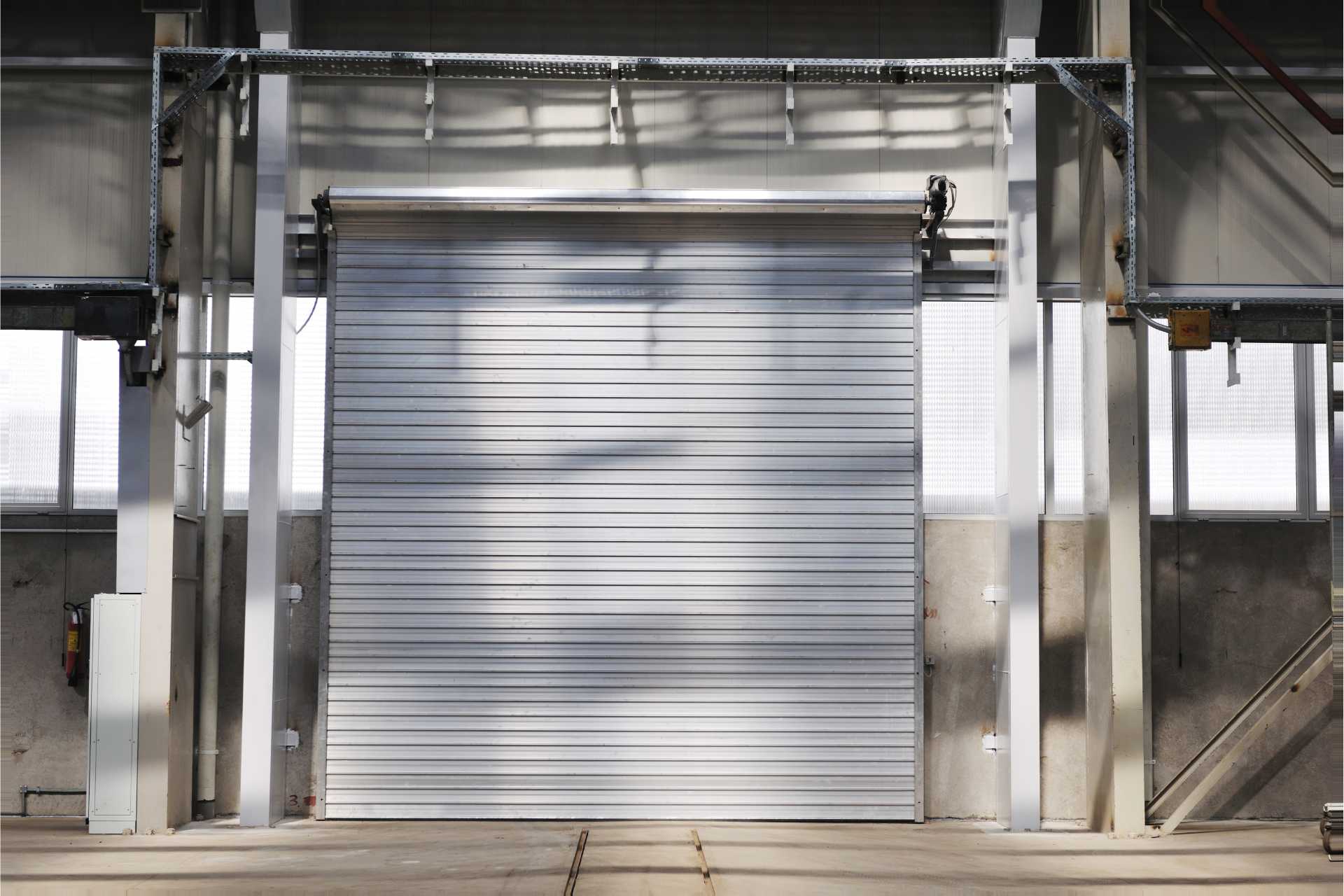
Choosing the right material for your garage door replacement project is more than just a matter of style—it's about functionality, durability, and even cost-effectiveness. Among the different styles of garage doors available today, steel and aluminum stand out as the most popular choices. Each has its unique benefits and slight drawbacks. Let’s dive into a detailed comparison of steel and aluminum garage doors to help you decide which material might be best suited for your home.
Section 1: Material Overview
Steel Garage Doors
Steel is renowned for its strength and versatility, making it a favourite for garage doors. Available in several variations, steel doors can be single-layered for basic, cost-effective solutions or multi-layered with insulation to enhance energy efficiency and noise reduction. This material’s robustness makes it an excellent choice for both residential and commercial properties.
Aluminum Garage Doors
Aluminum, known for its lightweight and rust-resistant properties, offers a modern appeal, especially when combined with glass panels for a contemporary look. This material is ideal for homeowners seeking a minimalist and sleek aesthetic. Aluminum doors are particularly popular in coastal areas where corrosion resistance is a priority.
Section 2: Durability and Maintenance
Steel Durability
The durability of steel is one of its most significant advantages. It withstands wear and tear better than most materials and can last decades with proper care. However, steel doors do require regular maintenance, such as painting and priming to prevent rust, especially if scratched or dented. The heavyweight of steel also ensures added security against break-ins, making it a safe choice for homeowners.
Aluminum Durability
While not as robust as steel, aluminum's major benefit is its resistance to rust and corrosion, making it a low-maintenance option. It's also less likely to dent compared to steel, although it can be more prone to scratching. Aluminum doors are particularly suitable for regions with high humidity or coastal areas where salt air is prevalent.
Section 3: Aesthetic and Design Options
Steel Aesthetics
Steel garage doors offer a broad range of design options. They can be painted in any colour, include various window inserts, and even mimic textures like wood grain, giving you the beauty of wood without the maintenance. This versatility allows steel doors to fit seamlessly with traditional or modern homes, enhancing curb appeal.
Aluminum Aesthetics
Aluminum doors are often chosen for their clean, modern lines and the ability to incorporate large glass panels, creating a striking visual statement. They are particularly favoured for modern architectural styles and can be custom-finished in any powder coat colour. The sleek appearance of aluminum provides a contemporary edge that can boost the architectural interest of any home.
Section 4: Energy Efficiency and Insulation
Steel Insulation
Insulated steel doors are excellent for keeping your garage temperature regulated, reducing energy costs and providing a sound barrier from external noise. This makes them an ideal choice if you use your garage as a workshop or recreational area. Additionally, the insulation helps in preventing heat loss, which is crucial for energy conservation in colder climates.
Aluminum Insulation
Aluminum doors can also be insulated, but due to the material’s inherent properties, they don’t provide as much thermal efficiency as steel. However, for those living in milder climates or using the garage primarily for vehicle storage, aluminum offers sufficient protection. The lighter weight of aluminum makes these doors easier to operate manually in case of power failures.
Section 5: Cost Comparison
Initial Cost
Generally, aluminum doors tend to be more expensive than steel when considering similar styles and features due to their modern design and rust resistance. The additional cost can be justified by their longevity and aesthetic qualities, especially in specific architectural contexts.
Long-Term Value
Steel doors often provide better long-term value. They are durable, have higher insulation options, and contribute to home energy efficiency, potentially lowering utility bills. The robust nature of steel also means less frequent replacements and repairs, saving money over the door's lifespan.
Section 6: Pros and Cons
Steel Pros:
- High durability and security
- Extensive design and colour options
- Superior insulation properties
- Ideal for both security-conscious and energy-efficient homes
Steel Cons:
- Prone to rust if not properly maintained
- Heavier, which may require more robust opening mechanisms
- Requires regular maintenance to maintain appearance and functionality
Aluminum Pros:
- Lightweight and rustproof
- Modern design with customizability
- Lower maintenance requirements
- Perfect for coastal areas or modern home designs
Aluminum Cons:
- Generally more expensive upfront
- Less insulation efficiency than steel
- May require more frequent cosmetic upkeep due to susceptibility to scratches
Final Verdict: Steel vs. Aluminum Garage Doors – Which Wins for Your Home?
Deciding between steel and aluminum garage doors depends on your specific needs, including the climate, your home's style, and how you use your garage. Steel offers unparalleled durability and insulation, ideal for varied climates and multi-functional garage spaces. Aluminum, meanwhile, appeals for its modern look and minimal maintenance, suited for those who prioritize aesthetics and ease of use.
Consult with a garage door specialist to tailor the choice to your home’s specifics. Share your experiences and preferences in the comments below to help others in their decision-making process!
Recognizing Visual Signs That Your Garage Door Needs Replacing
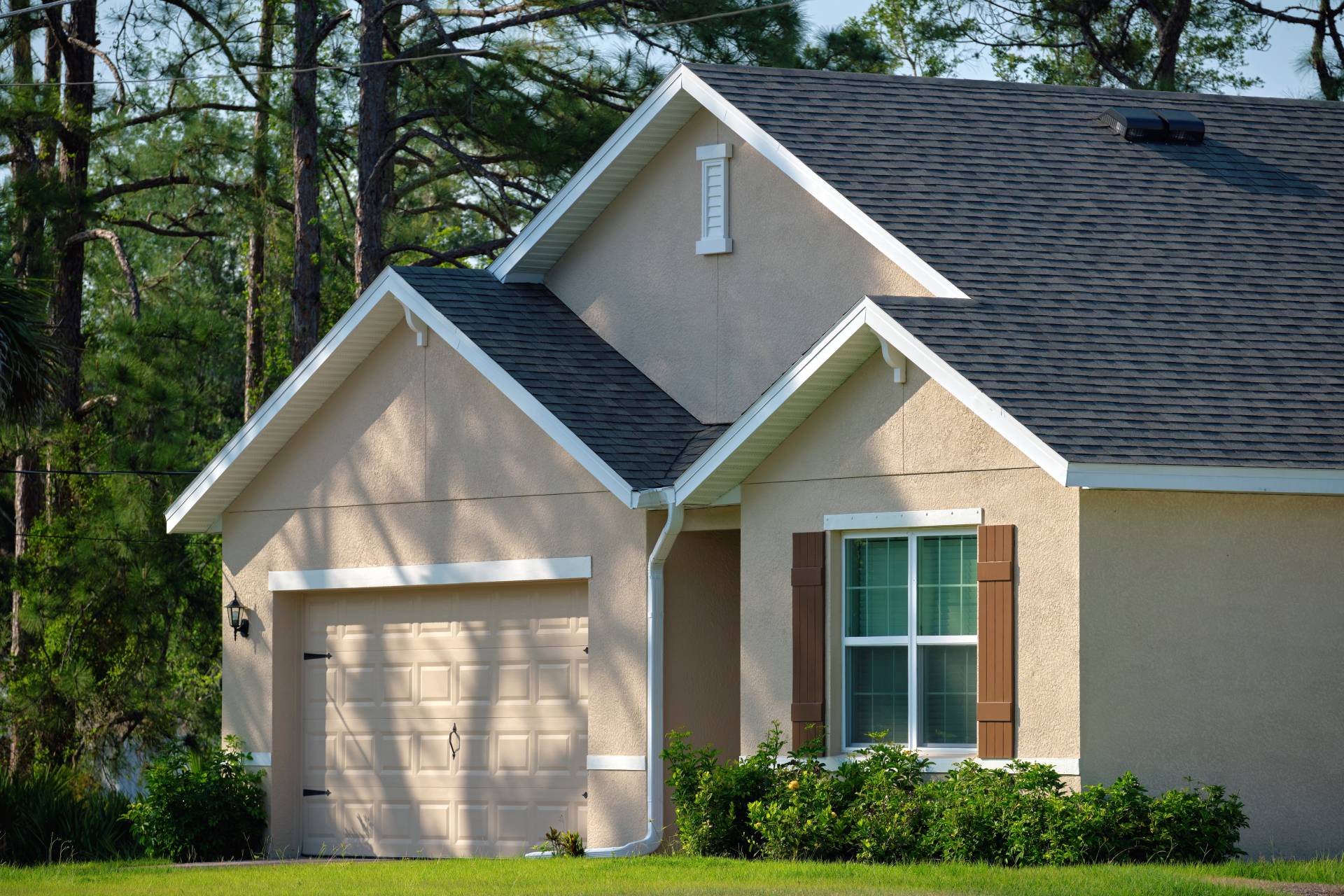
Having a functional garage door is crucial for ensuring the safety, security, and convenience of your home. It serves as a primary entry point, protecting your belongings from theft and the elements while also enhancing curb appeal. A reliable garage door can provide peace of mind for you and your family.
Here are some visual signs that you may need to replace your garage door:
Visible Damage Beyond Repair
Garage doors with extensive damage often experience functional issues. When there’s visual damage beyond repair such as large dents, cracks, or severe warping, it indicates that the structural integrity of the garage door has been compromised. Such damage weakens the door’s ability to withstand stress and may lead to failure, posing safety risks to your property and occupants. It can create safety hazards, especially if the door is prone to sudden failure or collapse. A garage door with visible damage may also be easier for intruders to breach, compromising the security of your home and belongings. Whether it’s due to weakened panels, broken locks, or damaged components, a compromised door can make your property more susceptible to burglary or vandalism.
Rust or Corrosion
Extensive rust or corrosion on metal components such as hinges, springs, tracks, or cables can compromise the structural integrity and smooth operation of the door. Over time, this deterioration can lead to the door becoming less sturdy and more susceptible to failure, such as bending, warping, or breaking. This compromises the overall reliability and safety of the door. Rust and corrosion can also interfere with the smooth operation of the garage door. Components such as hinges, springs, tracks, and rollers may become stiff or misaligned, causing the door to operate noisily or unevenly. In severe cases, rusted parts may seize up entirely, preventing the door from opening or closing properly. Weak or damaged metal components can fail unexpectedly, leading to accidents or injuries. Beyond functional concerns, a rusted and corroded door looks neglected and unsightly, diminishing the curb appeal of your property.
Sagging or Misalignment
A garage door that sags or appears misaligned when opening or closing indicates potential issues with the tracks, springs, or cables. Sagging or misaligned garage doors often indicate underlying structural issues. This can occur due to wear and tear over time, damage to the tracks or panels, or issues with the springs and cables. If left unaddressed, these structural problems can worsen over time, leading to further misalignment or even failure of the door. Sagging or misaligned garage doors also typically experience operational issues such as difficulty opening and closing smoothly. The door may stick, jam, or make grinding noises during operation. Misaligned garage doors may not provide proper security for your home. Gaps or uneven seals around the door allow for easy entry by intruders, compromising the safety of your belongings and family. Additionally, a misaligned door may be easier to force open, increasing the risk of burglary or vandalism. Addressing a sagging or misaligned garage door promptly helps maintain the safety, security, functionality, and appearance of your home.
Outdated or Unsafe Design
If your garage door lacks modern safety features or its design is outdated, it may not meet current safety standards. Modern garage doors incorporate safety features such as photoelectric sensors and automatic reverse mechanisms to prevent accidents and injuries. Many older garage doors also lack proper insulation, leading to energy inefficiency and increased heating and cooling costs. Upgrading to a newer, insulated garage door can improve energy efficiency and comfort by minimizing heat loss and outside noise. Older garage doors may experience frequent breakdowns or operational issues due to worn-out components or outdated technology. Upgrading to a newer garage door with modern features and materials ensures reliable performance and reduces the need for costly repairs.
If you notice any of these visual signs, it is important to consult with a professional to assess the extent of the damage and determine whether repair or replacement is the best course of action to maintain the safety, security, functionality, and appearance of your home. Should you have a new garage door, it is important to work with a professional for garage door installation to ensure the job is done safely, correctly, and efficiently. Professionals have the expertise and experience to properly assess your garage’s specifications, recommend the right door for your needs, and install it according to industry standards. Their knowledge helps prevent potential safety hazards, ensures proper functioning of the door, and minimizes the risk of future issues, saving you time, money, and hassle in the long run.
How Weather Stripping Can Improve Your Windows and Doors' Efficiency
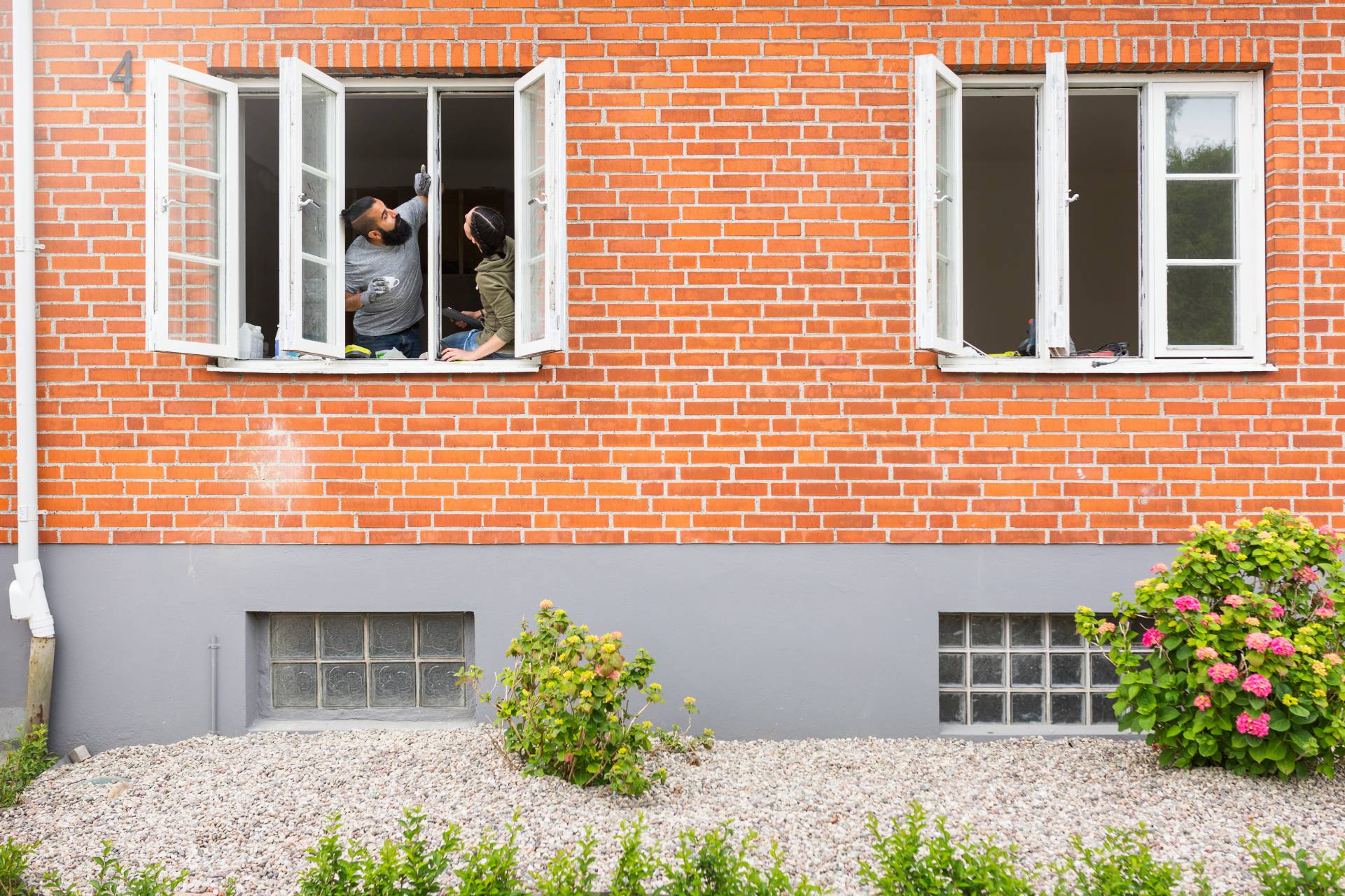
Weatherstripping is a material used to seal gaps and cracks around windows and doors. It is typically made of flexible materials, such as rubber, foam, or vinyl, and is installed along the edges of windows and doors. It creates a tight barrier against the elements, maintaining a comfortable indoor environment, protecting against moisture infiltration and moisture damage, and reducing heating and cooling costs. Here’s how weatherstripping can help improve the efficiency of windows and doors at home:
Reducing Air Leaks
Over time, windows and doors can develop gaps and cracks around their frames, allowing air to leak in and out of the house. Air leaks are a significant source of energy loss in buildings, as heated or cooled air can escape through these openings. Many weatherstripping materials are designed to be compressed when the window or door is closed. When installed, they conform to the irregularities of the surfaces they are sealing against, effectively filling gaps and creating a tight seal. By sealing gaps and reducing air leaks, weatherstripping improves the overall energy efficiency of windows and doors. Less air leakage means that your home’s heating and cooling systems don’t have to work as hard to maintain a comfortable indoor temperature, leading to lower energy consumption and reduced utility bills.
Minimizing Drafts
Drafts not only make occupants uncomfortable but also contribute to energy loss by allowing air conditioned air to escape and outside air to infiltrate the building. Many types of weatherstripping are designed to compress when the window or door is closed, creating a snug fit. This reduces the size of any gaps and prevents air from flowing freely through them. By sealing gaps and cracks, weatherstripping blocks the pathways through which drafts would otherwise enter or exit the building. This helps maintain a more stable indoor temperature and prevents cold drafts from chilling occupants during the winter or warm drafts from causing discomfort in the summer, leading to a more enjoyable living space.
Preventing Moisture Infiltration
Moisture infiltration can lead to water damage, mold growth, and structural problems at home. It can also affect the energy efficiency of windows and doors. When water enters through gaps or cracks, it can compromise the effectiveness of insulation and contribute to heat loss or gain, depending on the weather conditions. Many types of weatherstripping are designed to be water-resistant or waterproof, meaning that they can withstand exposure to rain, snow, and other forms of moisture without deteriorating or allowing water to pass through. By effectively sealing gaps and preventing water from entering, weatherstripping helps protect windows, doors, and the surrounding structures from these issues, prolonging their lifespan and reducing the need for repairs and replacements.
Enhancing Insulation
Gaps and cracks around windows and doors can allow heat to transfer between the interior and exterior of the building. During the winter, heated air can escape through these openings, leading to energy loss and increased heating costs. Similarly, during the summer, hot outdoor air can infiltrate the building, forcing the cooling systems to work harder to maintain a comfortable indoor temperature. Weatherstripping creates a barrier against heat transfer, reducing the flow of air between the inside and outside of the building. Enhanced insulation with weatherstripping reduces the workload on heating and cooling systems by minimizing heat transfer through windows and doors. This leads to lower energy consumption, reduced utility bills, and improved overall energy efficiency at home.
Increasing Lifespan
Over time, air infiltration and moisture can cause windows and doors to deteriorate, leading to issues like drafts, leaks, and operational problems. Damage or deterioration, such as rot, corrosion, or warping, on windows and doors can compromise energy efficiency by allowing air leaks and heat transfer. Weatherstripping helps reinforce the structural integrity of windows and doors by sealing gaps and cracks and protecting them from environmental damage. This improves their durability and resistance to wear and tear. By protecting windows and doors from deterioration, weatherstripping helps maintain their efficiency, durability, and energy performance over time.
Overall, weatherstripping plays a crucial role in improving energy efficiency, maintaining indoor comfort and protecting your home from the elements. If you are looking to improve the energy efficiency of your home, consulting with a window professional can help you evaluate the energy performance of your windows, recommend upgrades or weatherproofing techniques, and provide advice on maximizing energy savings.
Exploring the Top Window Styles for Maximizing Natural Illumination in Kitchens
A well-lit kitchen improves visibility, making tasks such as food preparation, cooking, and cleaning easier and safer. Natural sunlight creates a cheerful and uplifting atmosphere in the kitchen, making cooking and meal preparation more enjoyable.
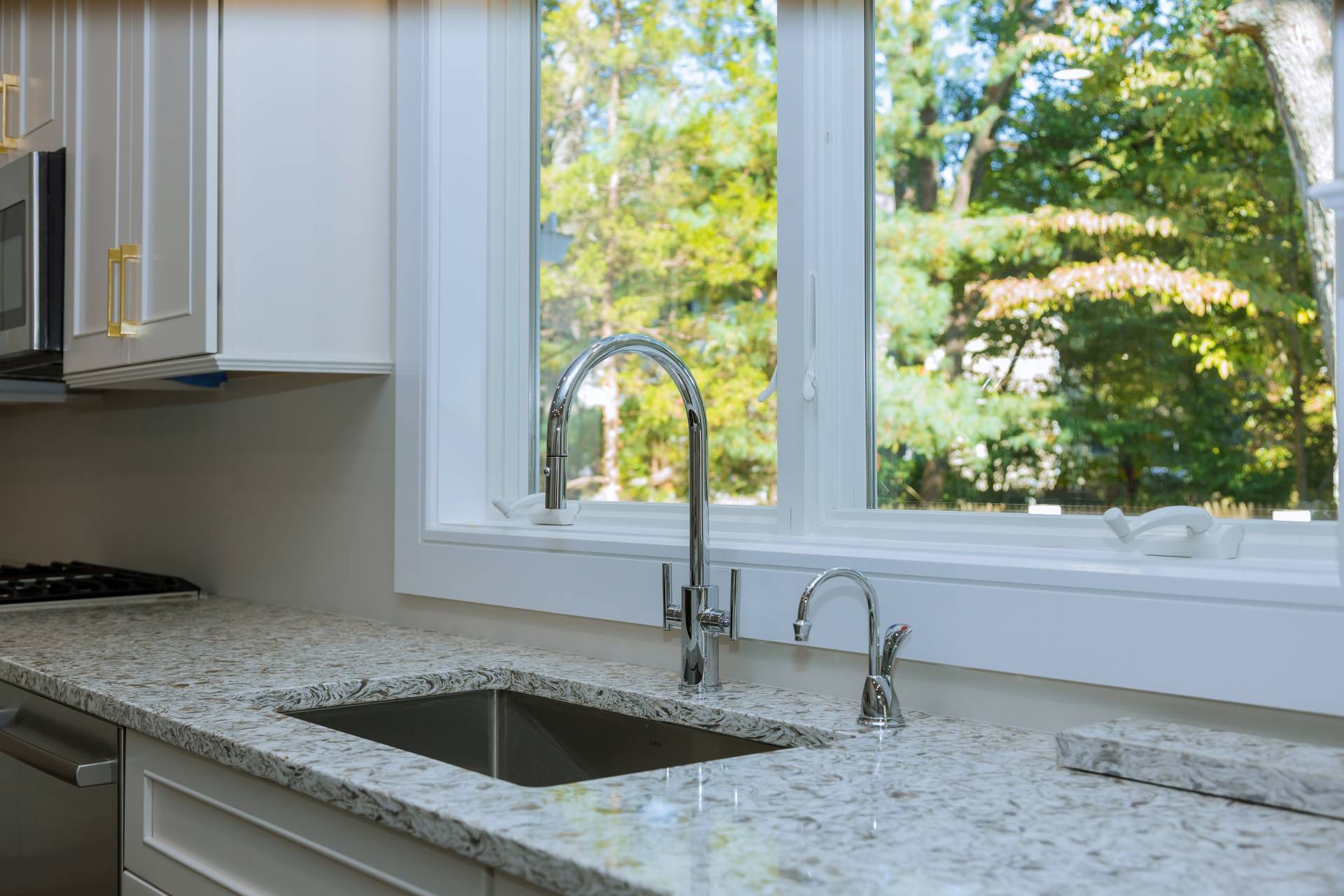
Properly positioned windows and doors can ensure that light reaches key areas of the kitchen, such as the sink, countertops, and cooking surfaces. Placing a kitchen window over a sink is often considered best when maximizing natural light, providing task light, enjoying views and ventilation, and enhancing the aesthetics of the kitchen. This design choice combines functionality, practicality, and visual appeal to create a bright, beautiful, and functional kitchen space.
Here are the top window styles that can help you maximize natural lighting in the kitchen:
Casement Windows
Casement windows typically feature large glass panes that extend from the top to the bottom of the window frame. This expansive glass area allows ample light to enter the kitchen, brightening up the space throughout the day. Casement windows are hinged on one side and open outward with a crank mechanism. This design allows for versatile opening options, including fully opening the window to let in maximum sunlight or partially opening to control ventilation while still allowing natural light to enter. While primarily designed for ventilation, casement windows can also serve as effective sources of natural light. When closed, casement windows provide unobstructed views of the outdoors, allowing natural light to flood into the kitchen without any barriers. This clear view enhances the feeling of openness and connection to the outdoors, maximizing the perception of natural light in the space. Their large glass area and ability to fully open provide an optimal balance of ventilation and illumination in the kitchen.
Bay and Bow Windows
Bay and bow windows are excellent choices for maximizing natural light in the kitchen. Bay windows feature a larger central window flanked by two smaller side windows, with sharper angles and a more angular appearance. On the other hand, bow windows consist of multiple window panels arranged in a gentle curve along the exterior wall, creating a round or elliptical shape with a smoother, more uniform curve. Both bay and bow windows create an expansive glass area that allows plenty of natural light to enter the kitchen. The angled design of bay and bow windows allows natural light to enter the kitchen from multiple angles. This helps distribute sunlight evenly across the room, minimizing shadows and creating a well-lit environment. This configuration maximizes daylight exposure and brightens up the space throughout the day. Bay and bow windows provide panoramic views of the outdoors, allowing homeowners to enjoy the scenery while cooking or dining in the kitchen. The expansive views enhance the feeling of openness and connection to the outdoors, contributing to a bright and inviting atmosphere. In addition, bay and bow windows serve as architectural focal points that add character and visual interest to the kitchen. Their distinctive shapes and designs create a sense of elegance and sophistication, enhancing the overall appeal of the space.
Awning Windows
Awning windows are hinged at the top and open outward from the bottom, forming an awning-like shape when opened. While primarily designed for ventilation, awning windows also allow plenty of natural light to enter the kitchen even when closed. Their large glass area and upward-opening design provide an optimal balance of ventilation and illumination. With a crank mechanism or handle located at the bottom of the window frame, awning windows are easy to operate. This allows for smooth and effortless opening and closing, making it convenient to adjust ventilation and natural light levels in the kitchen. The outward-opening design of awning windows allows for ventilation without compromising privacy, as the window opens from the bottom and remains partially covered by the frame. Awning windows also provide protection from the rain when opened, allowing fresh air to circulate even during inclement weather. Additionally, awning windows have a sleek and modern appearance that complements contemporary kitchen designs. Their clean lines and minimalist aesthetic add a touch of sophistication to the space while maximizing natural light.
Picture Windows
Picture windows are typically large, fixed windows that consist of a single pane of glass. The absence of grids, muntins, or sashes maximizes daylight exposure and enhances the sense of openness and connection to the outdoors. Since picture windows do not open, they can be designed to cover a wide expanse of the exterior wall, capturing sunlight from multiple angles. This expansive glass area creates a panoramic effect that maximizes natural light distribution and brightens up the entire kitchen space. Picture windows come in various shapes and sizes, allowing homeowners to customize the design to suit their preferences and architectural style. Whether it is a large horizontal window above the sink or a floor-to-ceiling window overlooking the backyard, picture windows can be tailored to maximize natural light and enhance the overall aesthetics of the kitchen.
Overall, casement, bay, bow, awning, and picture windows are excellent choices for maximizing natural light in the kitchen. These window styles offer different features and benefits due to their large glass area, versatile opening options, expansive views, and architectural significance. Incorporating these window styles into the kitchen design can create a bright, airy, and inviting space illuminated by abundant natural light. Depending on the specific layout, design preferences, and architectural constraints of the kitchen space, homeowners can choose the window style that best suits their needs and enhances the overall brightness and ambiance of the room.
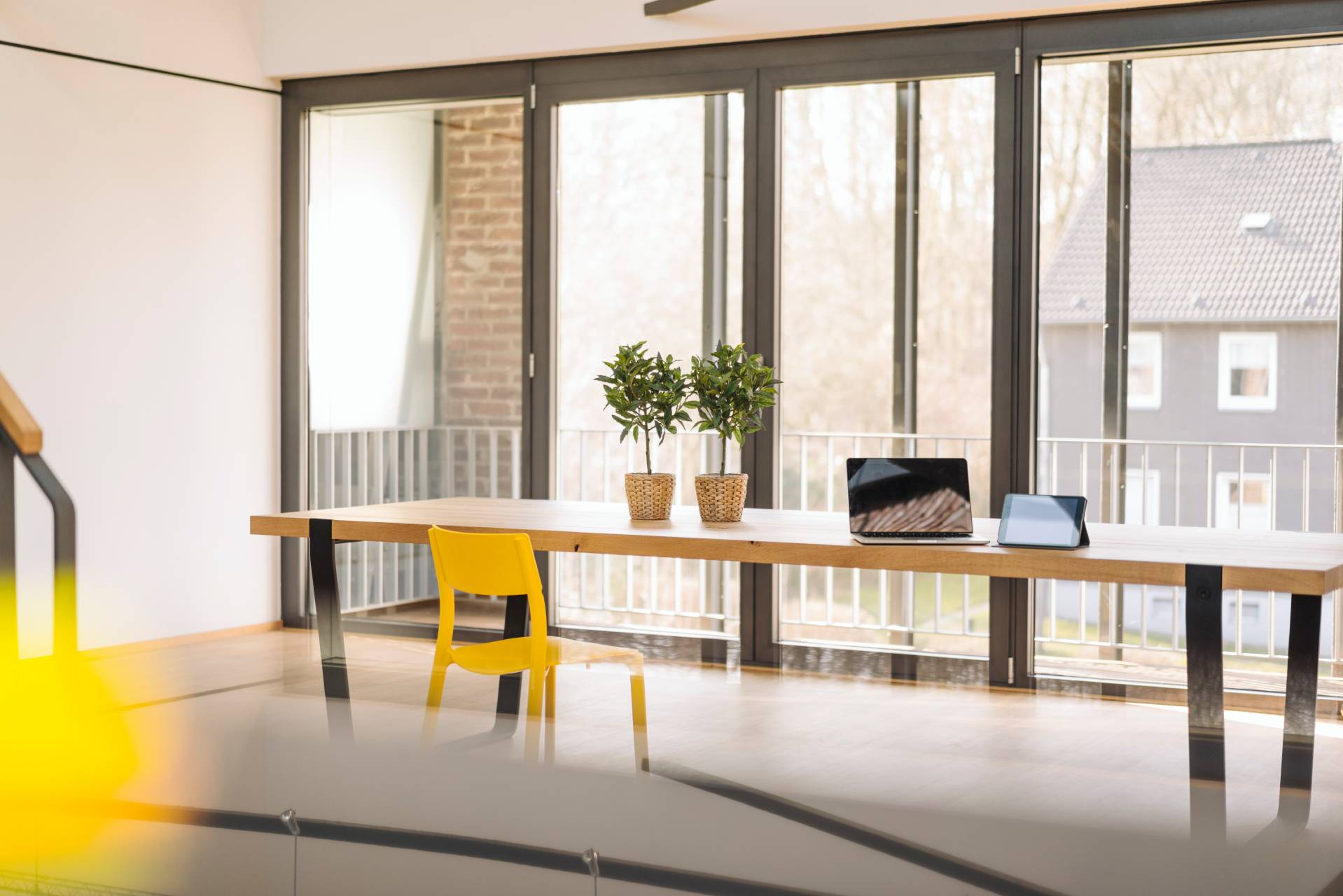
Understanding Energy Star Ratings for Windows: What You Need to Know
Energy efficient windows and doors can provide numerous benefits. They can help reduce energy bills, improve comfort, and increase environmental sustainability at home. Homeowners can easily identify energy efficient products by checking for the Energy Star label. These apply even to windows.
Here's what you need to know when selecting Energy Star-rated windows for your home:
Energy Efficiency Benefits
Energy Star-rated windows are designed to be more energy efficient than standard windows. These windows often feature advanced insulation technologies, such as multiple panes, low-emissivity (Low-E) coatings, and gas fills. The improved insulation provided by Energy Star-rated windows contribute to consistent indoor temperatures throughout the year. Homes with these windows often experience enhanced comfort in both hot and cold seasons. Using energy efficient windows helps reduce overall energy consumption, contributing to environmental sustainability. Homeowners can play a role in minimizing their carbon footprint by choosing Energy Star-rated products.
U-Factor and Solar Heat Gain Coefficient (SHGC) Values
Homeowners should be familiar with U-Factor and Solar Heat Gain Coefficient (SHGC) values when considering Energy Star-rated windows.
The U-Factor measures how well a window insulates and indicates the rate of heat transfer through the window. A lower U-Factor signifies better insulation. In colder climates, windows with a low U-Factor can help minimize heat loss and enhance energy efficiency. Windows with a higher U-Factor may allow more heat to escape, leading to increased heating costs.
SHGC measures the amount of solar heat that enters a home through the windows. A lower SHGC value indicates better control of solar heat gain. In warmer climates, or for windows receiving a lot of direct sunlight, homeowners may want windows with a lower SHGC to reduce the amount of solar heat entering the home. This helps in maintaining a comfortable indoor temperature and can lead to lower heating costs.
By looking for the Energy Star label, homeowners can easily identify Energy Star-rated windows. This label indicates that the windows meet or exceed the program’s energy efficient guidelines, including U-Factor and SHGC requirements.
Climate Zone Considerations
Energy Star criteria for windows vary based on different climate zones. Energy Star classifies climate zones into four categories: Northern, North-Central, South-Central, and Southern. These zones are based on regional climate conditions, such as temperature ranges and heating and cooling needs. Energy Star sets specific U-Factor and SHGC criteria for windows in each climate zone. The criteria are tailored to address the unique energy efficiency needs of homes in different climates. In colder climates (Northern and North-Central zones), where heating needs are higher, lower U-Factor values are recommended to minimize heat loss while SHGC requirements may be more flexible. In warmer climates (South-Central and Southern zones), U-Factor requirements may be less stringent while lower SHGC values are recommended to control solar heat gain and reduce the demand for air conditioning. Homeowners should consider the balance between U-Factor and SHGC based on their specific climate zones.
Long-Term Savings and Return on Investment
While Energy Star-rated windows may have a higher upfront cost compared to standard windows, homeowners should also consider the long-term savings in energy bills. Energy Star-rated windows contribute to lower heating and cooling costs. The enhanced energy efficiency helps reduce the demand for heating in winter and cooling in summer, leading to ongoing savings on utility bills.
As homeowners benefit from energy cost savings, they can realize a return on their investment over time. The duration from recouping the initial investment depends on factors such as energy prices, climate, and the specific characteristics of the windows. Furthermore, some regions offer incentives, rebates, or tax credits for energy efficient home improvements, including the installation of Energy Star-rated windows. Checking with local utility companies or government programs can help in exploring potential financial benefits.
Energy Star-rated windows are typically designed for durability and longevity. Proper maintenance of Energy Star-rated windows ensures their continued energy efficiency. Regular cleaning, inspection, and repairs, if needed, contribute to the windows’ longevity and overall performance. Choosing high-quality windows can result in a longer lifespan, providing extended opportunities for energy savings over the years.
Energy efficient upgrades can enhance the resale value of a home. Potential homeowners who recognize eco-friendly practices can appreciate the positive environmental impact of using Energy Star-rated products. Potential buyers may also be attracted to the prospect of lower energy bills and a more comfortable living environment, making the property more marketable.
If you are looking for energy efficient windows and doors, look for the Energy Star label on the products. The label indicates that the windows or doors have undergone testing and meet or exceed the energy efficiency standards set by the Energy Star program. When selecting windows and doors for your home, it is advisable to consult with a professional who can provide guidance on selecting windows that suit your home’s local climate and your energy efficiency goals.